
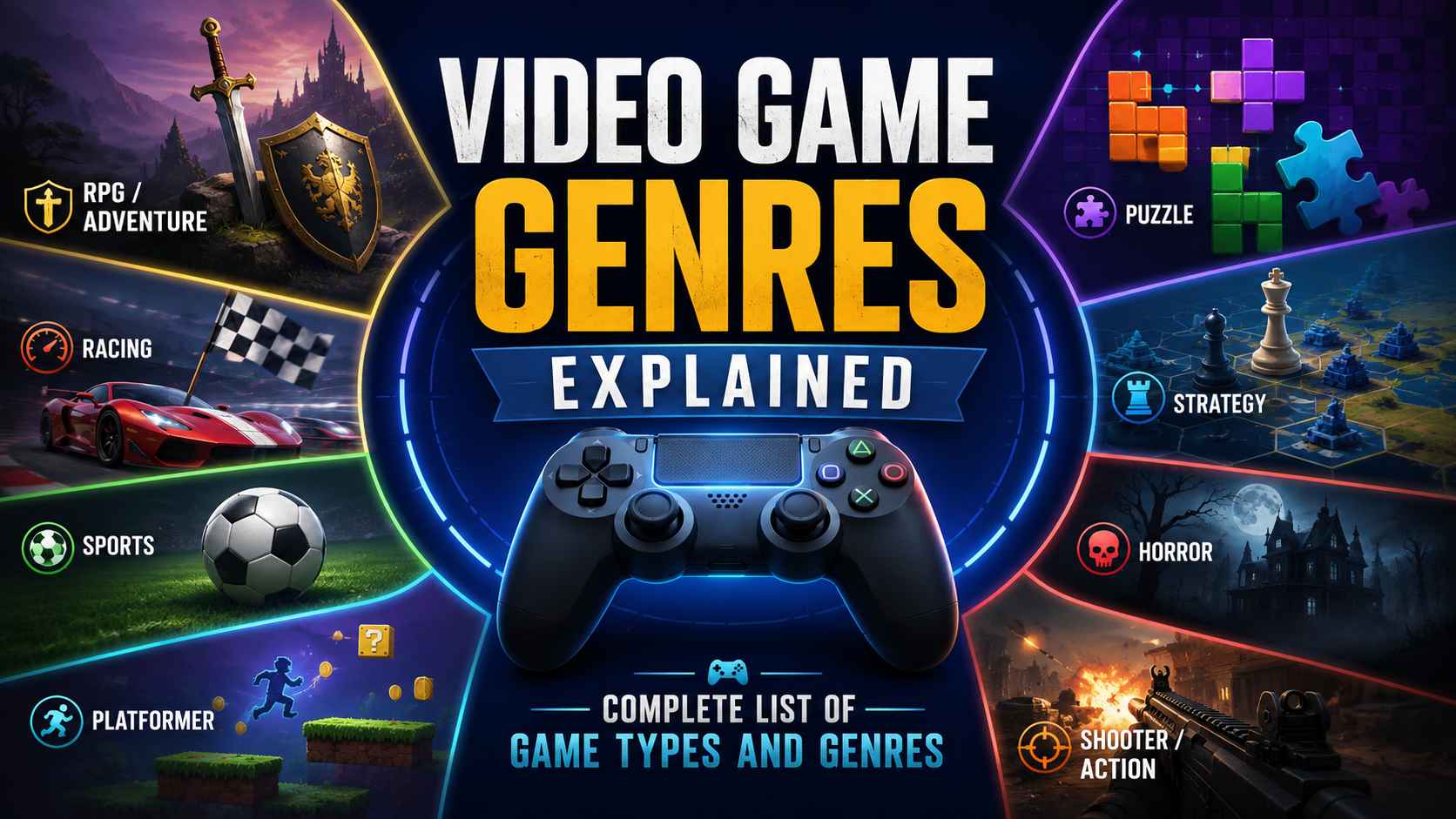
Action, RPG, strategy, simulation, and puzzle are some of the most common video game genres. Each one describes a different kind of experience. An action game tests your timing and reactions, while a strategy game asks you to plan ahead. An RPG lets you develop a character, and a puzzle game challenges you to find a solution.
Modern games often mix several genres, so the labels are not always exact. Minecraft, for example, is a sandbox game with survival, crafting, and adventure elements. This guide explains 15 major video game genres in simple terms, with familiar examples and links to more specific types.
What Are Video Game Genres?
A video game genre describes the main type of gameplay. The easiest way to identify a game's genre is to ask what the player spends most of the game doing: fighting, exploring, solving puzzles, managing resources, racing, or developing a character.
A genre is not the same as a theme or visual style. A fantasy game with magic and monsters could be an RPG, an action game, a strategy game, or even a puzzle game. Fantasy describes the setting, while the player's main activity helps define the genre.
A game can also belong to more than one genre. The Legend of Zelda series is usually described as action-adventure because it combines exploration, combat, and puzzle-solving. Stardew Valley combines farming simulation, role-playing, and life-sim elements.
Other labels provide extra information. First-person and top-down describe the camera view. Single-player and multiplayer describe how people play. Pixel art describes how a game looks. Steam also separates genres and subgenres from themes, visual styles, viewpoints, and player modes. This is why one game can have several accurate labels.
Video Game Genres at a Glance
| Genre | What you usually do | Popular examples |
|---|---|---|
| Action | Fight, move quickly, and react to danger | Hades, Devil May Cry 5 |
| Adventure | Explore places, follow a story, and solve problems | Life Is Strange, Monkey Island |
| RPG | Develop characters, complete quests, and make choices | Baldur's Gate 3, Final Fantasy VII |
| Strategy | Plan, manage resources, and control units | Civilization VI, StarCraft II |
| Simulation | Manage or experience a real or imagined activity | The Sims 4, Microsoft Flight Simulator |
| Puzzle | Solve problems using logic, words, or patterns | Tetris, Portal 2 |
| Platformer | Jump, climb, and move through levels | Super Mario Odyssey, Celeste |
| Shooter | Aim, use ranged weapons, and defeat enemies | Doom Eternal, Valorant |
| Fighting | Fight another character using attacks and combos | Street Fighter 6, Tekken 8 |
| Racing | Drive a vehicle and compete for position or time | Forza Horizon 5, Mario Kart 8 Deluxe |
| Sports | Play or manage a real or fictional sport | EA Sports FC, NBA 2K |
| Horror | Survive frightening situations and deal with uncertainty | Resident Evil 2, Amnesia: The Bunker |
| Survival | Gather resources and stay alive | Subnautica, Don't Starve |
| Sandbox | Build, experiment, and choose your own goals | Minecraft, Garry's Mod |
| Casual | Learn quickly and play in short sessions | Candy Crush Saga, Suika Game |
15 Main Types of Video Game Genres
1. Action Games
Action games are built around quick movement and fast decisions. Players may fight enemies, dodge attacks, escape hazards, or react before time runs out. Good timing and control usually matter more than long-term planning.
Action is a broad genre that includes beat 'em ups, hack-and-slash games, rhythm action games, and action-adventures. Hades, Devil May Cry 5, and Bayonetta are well-known examples. Some action games add equipment or character upgrades, but the experience still depends on movement, attacks, and reactions. Short levels, scoring, and quick restarts are also common in many arcade action games.
2. Adventure Games
Adventure games focus on exploration, story, characters, and discovery. Players may investigate locations, talk to other characters, collect useful objects, and solve problems that open the next part of the story.
Traditional point-and-click games such as Monkey Island use dialogue and item-based puzzles. Games such as Life Is Strange place more emphasis on story choices and relationships. Action-adventure games add regular combat or movement challenges, while puzzle-adventure games make problem-solving a major part of exploration.
3. Role-Playing Games
Role-playing games, or RPGs, let you develop a character or team over time. You complete quests, improve abilities, find equipment, and make choices that can affect how the game continues.
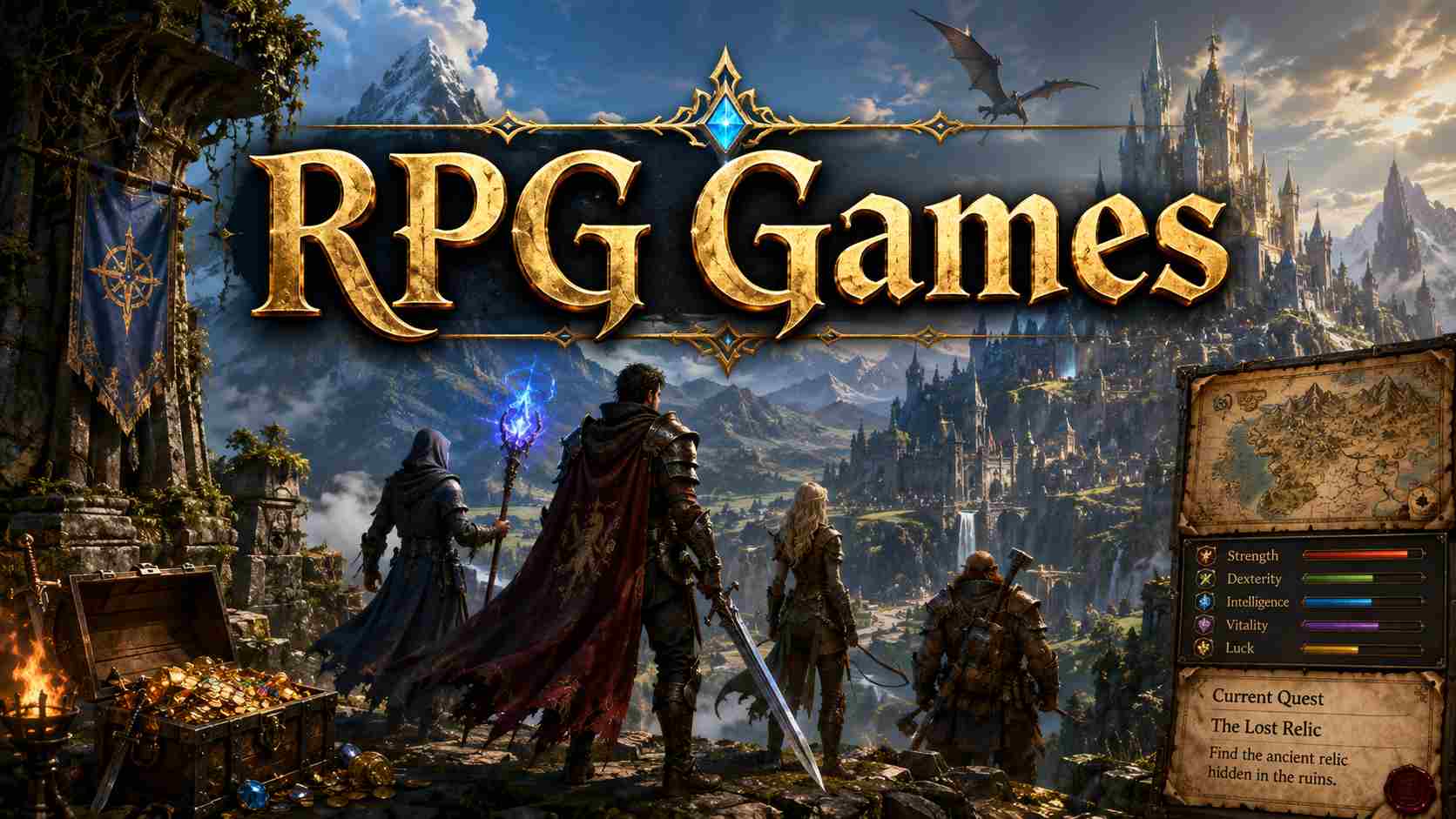
RPGs can use very different combat systems. Action RPGs such as Elden Ring use real-time combat, while games such as Baldur's Gate 3 give players more time to plan each move. Other subgenres include JRPGs, tactical RPGs, MMORPGs, and Soulslikes. You can compare these styles in our guide to the best RPG games.
4. Strategy Games
Strategy games ask players to think ahead. You may control armies, manage resources, build a city, defend a base, or decide when to attack. A strong plan is usually more important than quick reactions.
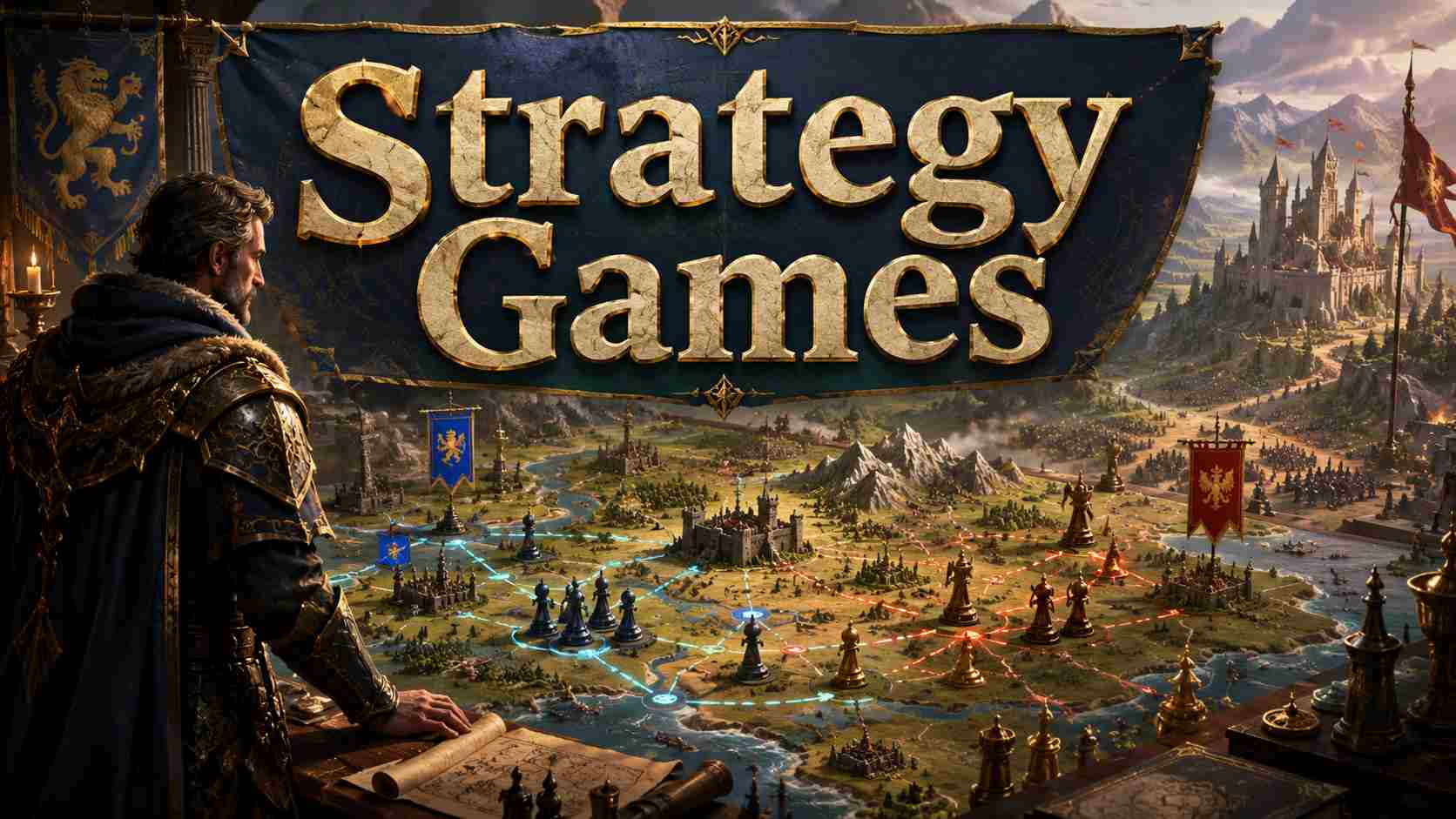
Real-time strategy games such as StarCraft II continue moving while you make decisions. Turn-based games such as Civilization VI let each player act in order. Other common types include tactical games, 4X games, tower defense, and card strategy games. Many board games use the same kind of turn-based planning, which makes an online board game maker a practical starting point for a smaller strategy project.
5. Simulation Games
Simulation games recreate an activity or let players manage a group of connected systems. They may simulate flying a plane, running a business, building a city, farming, or guiding the daily lives of virtual people.
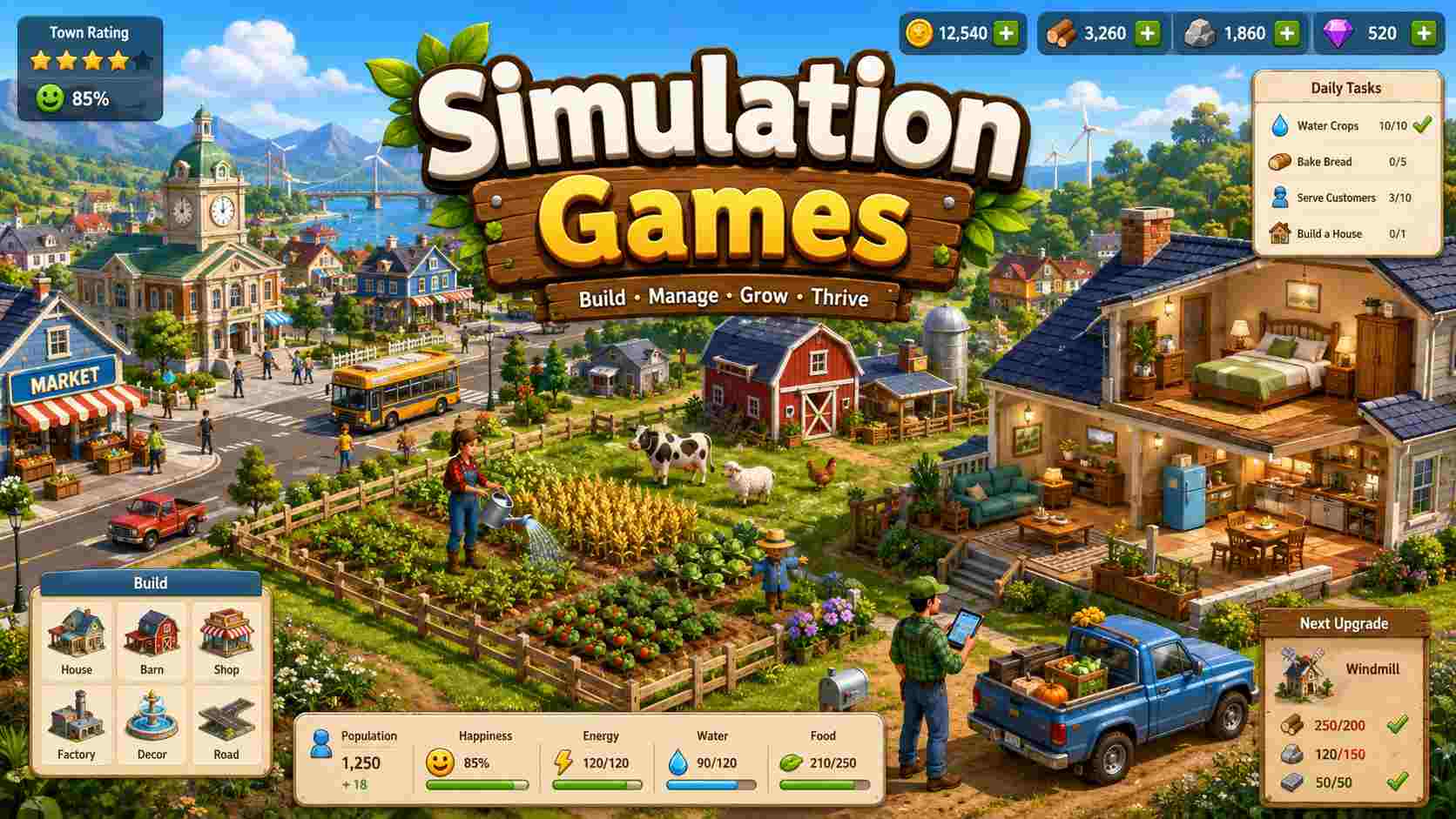
Some simulations aim to feel realistic, such as Microsoft Flight Simulator. Others simplify real life to make it playful, as The Sims 4 does with homes, jobs, and relationships. Farming games, city builders, life sims, vehicle simulators, and business management games all belong to this broad family. A smaller project might focus on one activity, such as using a dating sim creator to build a choice-driven relationship game.
6. Puzzle Games
Puzzle games challenge players to find a solution. The problem may involve shapes, numbers, words, patterns, movement, or physics. Players usually learn a small set of rules and then use those rules in increasingly difficult ways.
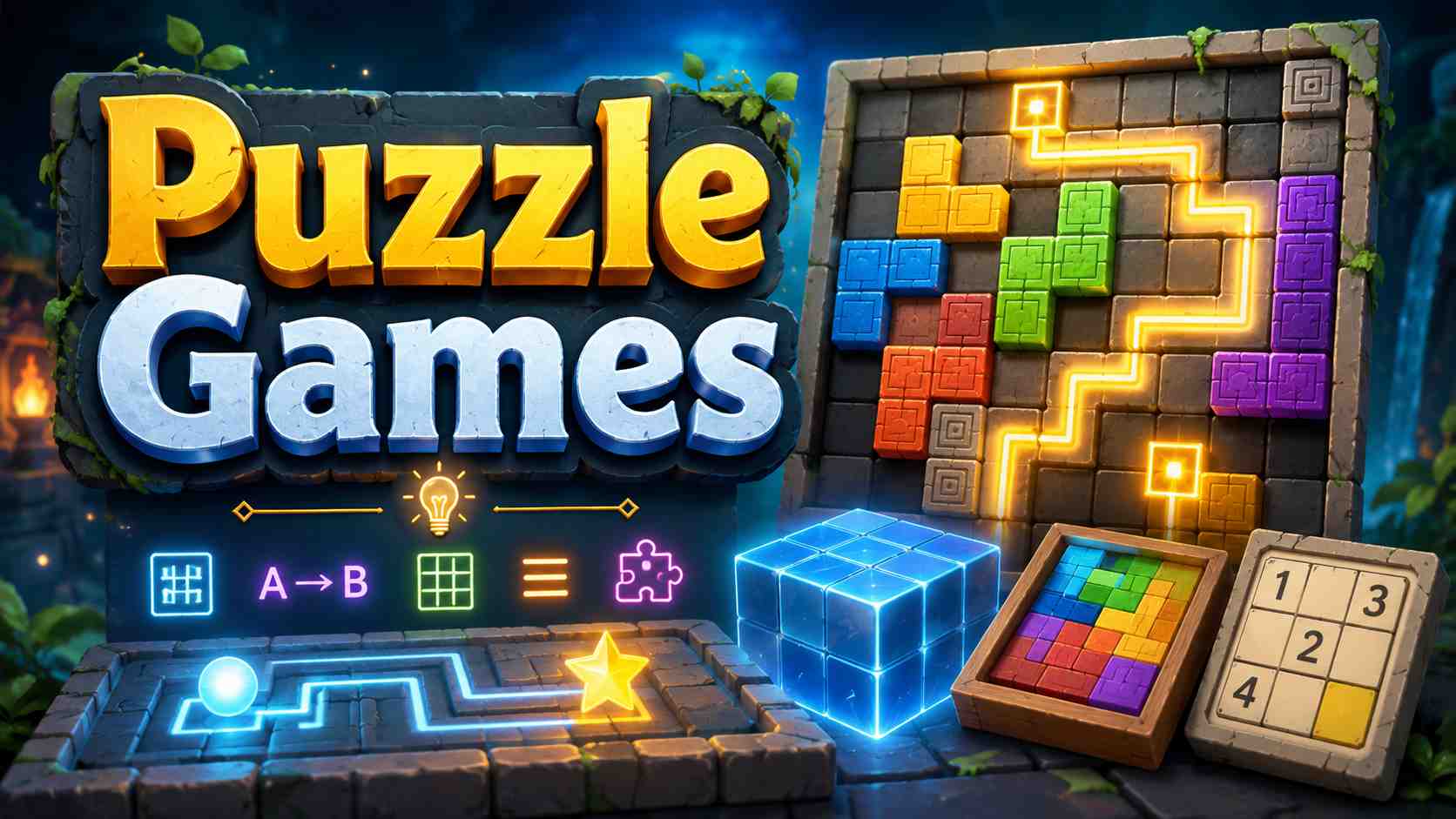
Tetris is based on arranging shapes, while Portal 2 combines physics puzzles with movement through 3D spaces. Matching games, word games, escape-room puzzles, and logic games are also common. If you are interested in building one, our guide to making a puzzle game explains how to start with one clear rule.
7. Platformer Games
Platformers make movement through a level the main challenge. Players jump between platforms, avoid hazards, climb, collect items, and learn how the character moves.
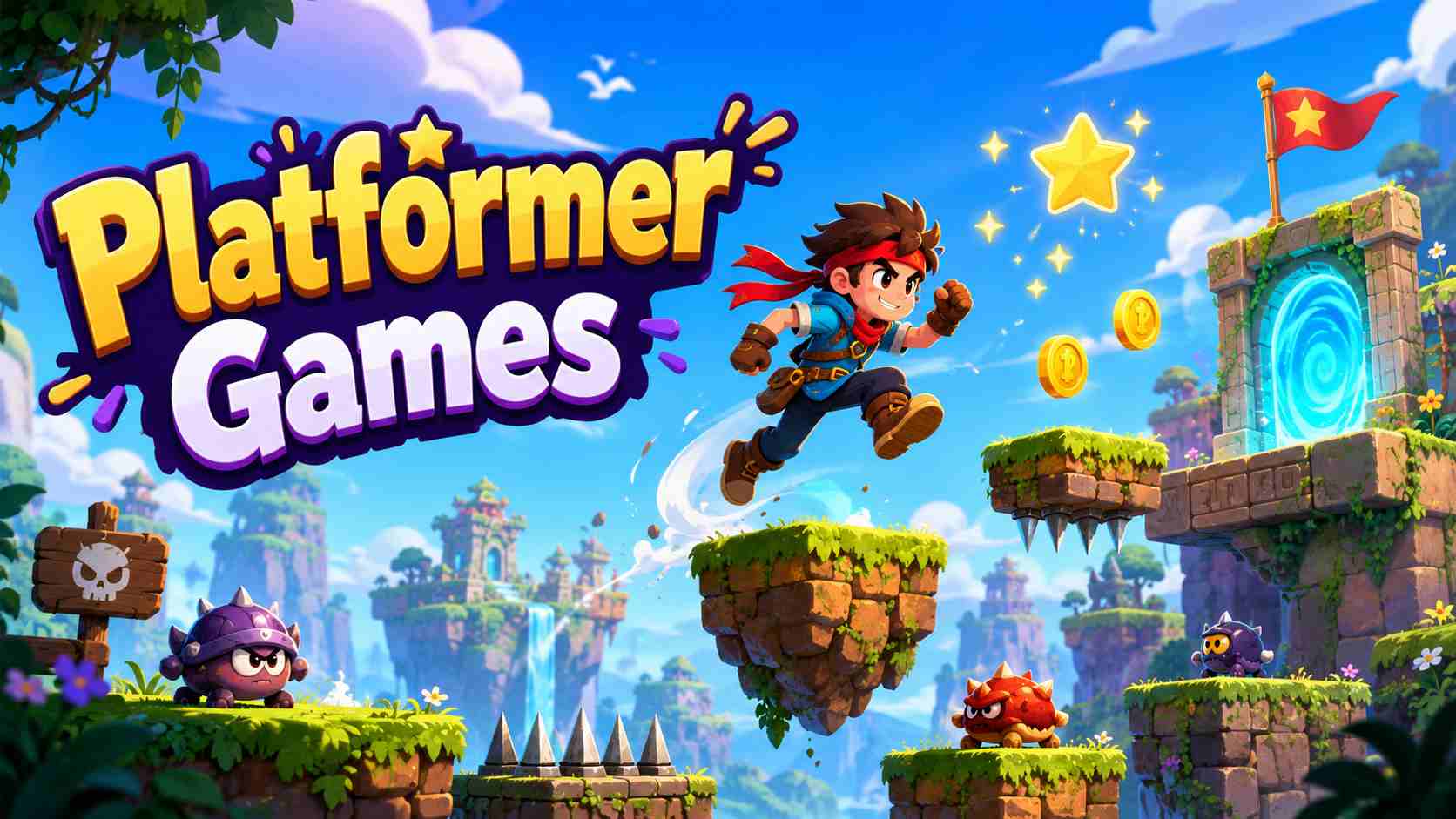
Games such as Celeste and Super Meat Boy demand accurate jumps, while 3D platformers such as Super Mario Odyssey give players more freedom to explore. Puzzle-platformers add problems that must be understood before a route can be completed. Our list of the best platformer games includes beginner-friendly adventures and more difficult precision games.
8. Shooter Games
Shooter games focus on aiming and using ranged weapons. Players need to choose targets, move into good positions, avoid enemy attacks, and manage weapons or ammunition.
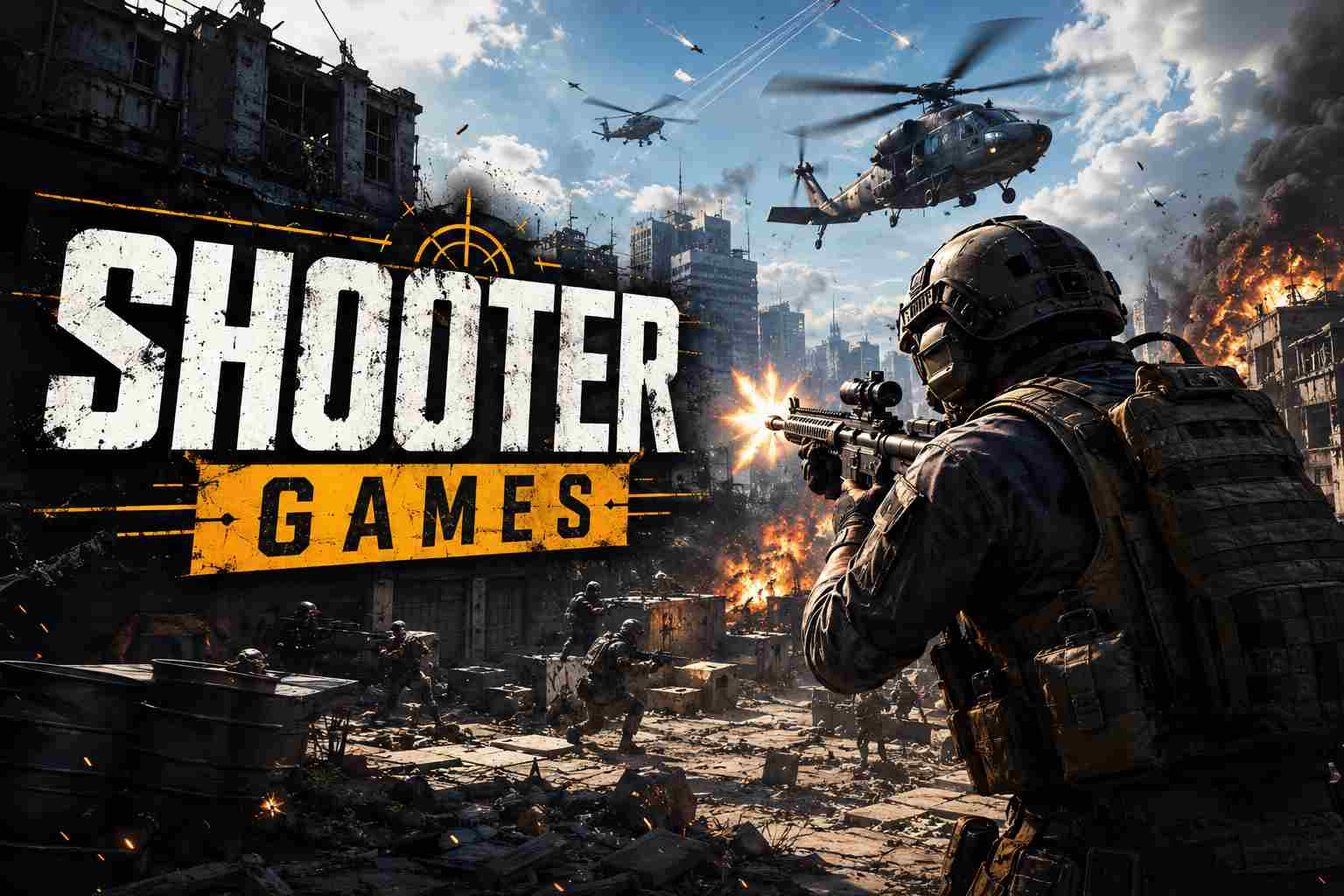
First-person shooters show the action through the character's eyes. Third-person shooters show the character on screen. Tactical shooters slow the pace and reward careful teamwork, while arena and hero shooters use faster matches and special abilities. In top-down shooter games, the camera lets players see enemies and routes across a wider area.
9. Fighting Games
Fighting games are built around direct battles between two or more characters. Players learn attacks, blocks, throws, combos, and the best distance for each move. Reading the opponent is just as important as remembering the controls.
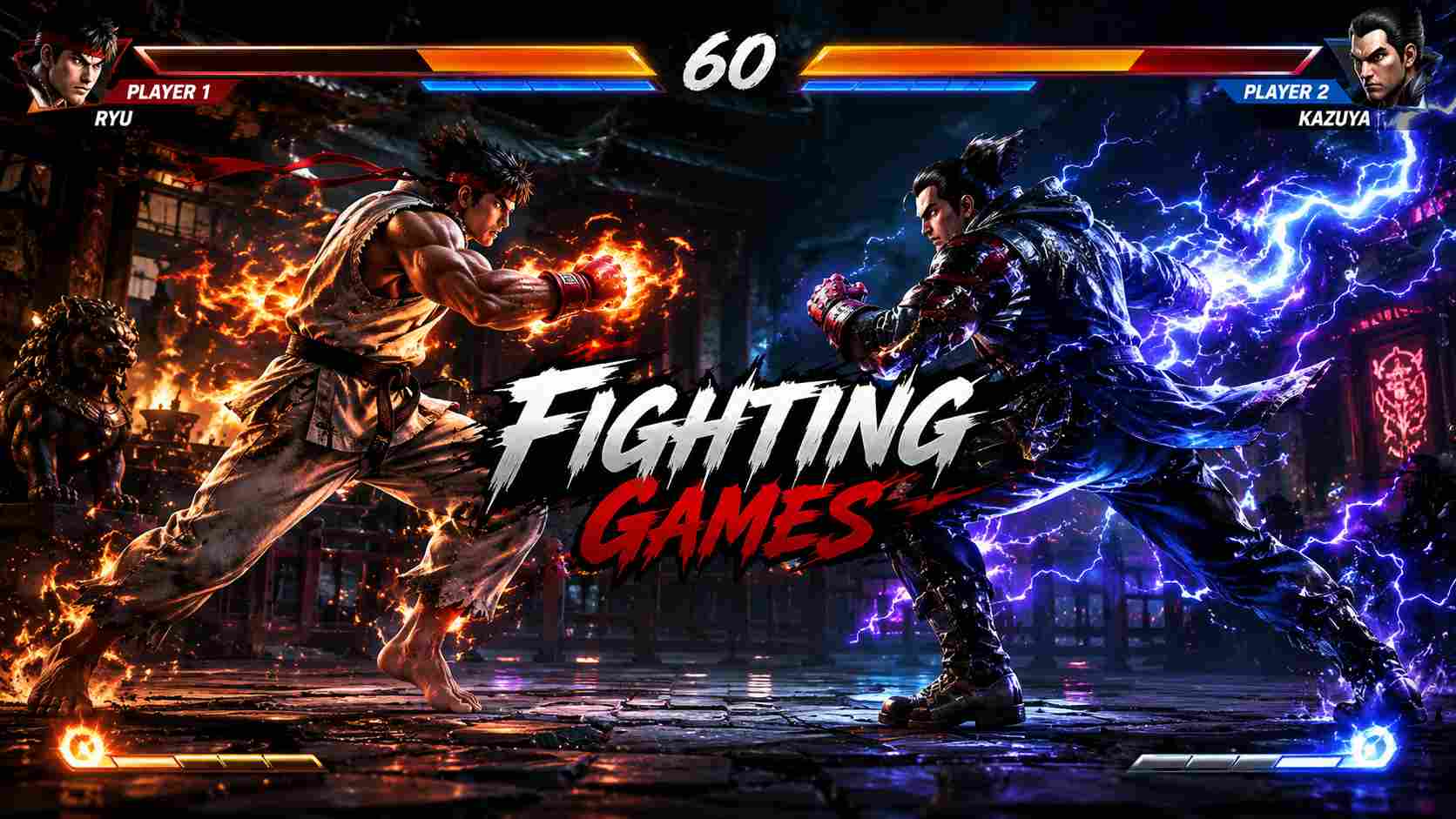
Street Fighter 6 uses a side-on 2D fighting space, while Tekken 8 lets players move around opponents in 3D. Platform fighters use knockback and stage position instead of a traditional health bar. You can compare several styles in our list of the best 2D fighting games.
10. Racing Games
Racing games ask players to drive a vehicle and reach the finish before their opponents or beat a target time. Track knowledge, steering, braking, speed, and shortcuts can all affect the result.
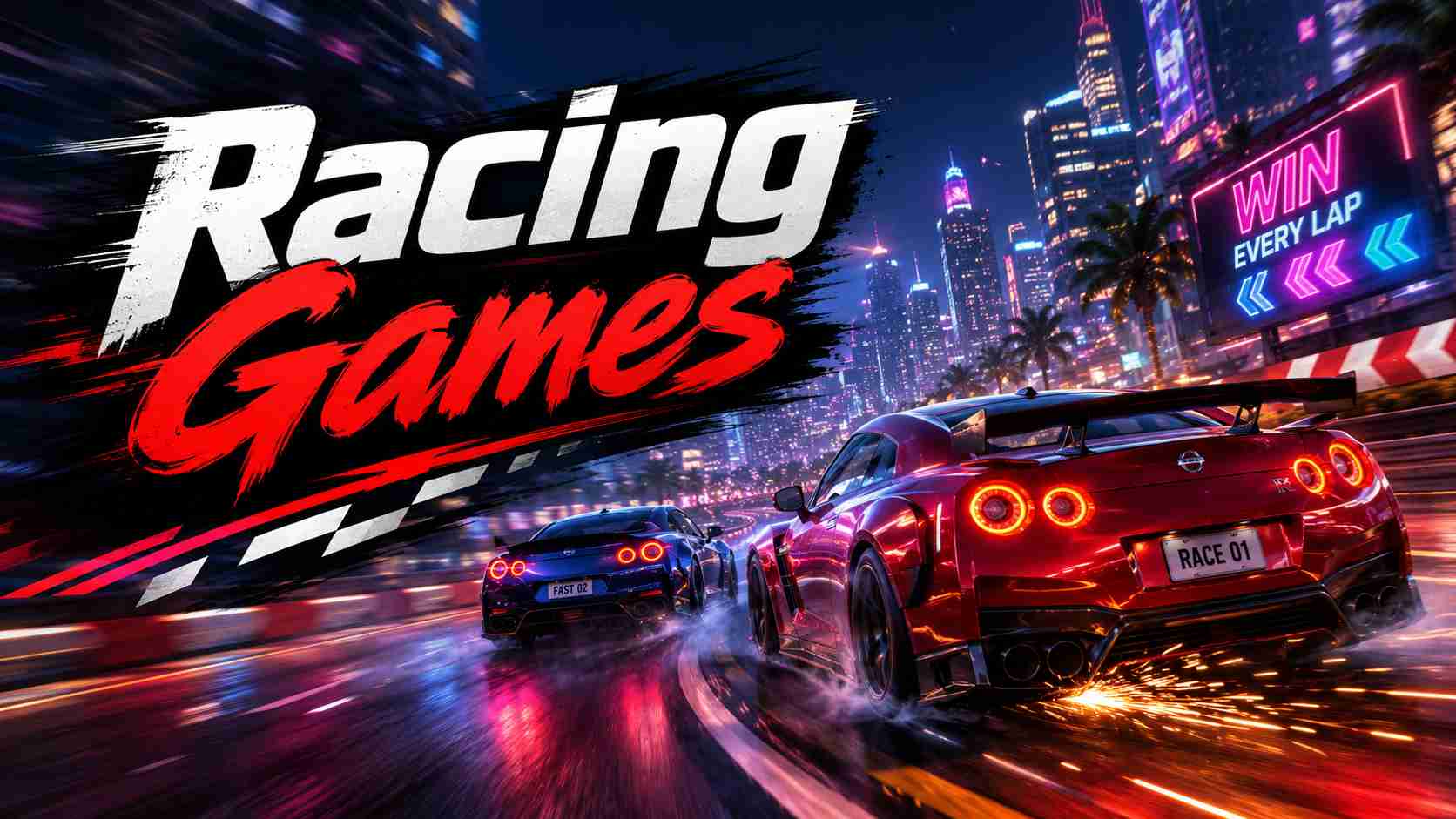
Simulation racing games try to reproduce realistic handling. Arcade racers make cars easier to control and focus on speed and excitement. Kart racers such as Mario Kart 8 Deluxe add items, shortcuts, and obstacles that can quickly change who is winning. If you want to turn one of these formats into a small project, start with a focused guide to creating a car game.
11. Sports Games
Sports games recreate or adapt the rules of a sport. Players may directly control athletes, compete against other teams, or manage decisions such as tactics, transfers, and training.

Games such as EA Sports FC and NBA 2K aim to reproduce familiar teams and rules. Arcade sports games use simpler controls and exaggerated moves. Sports management games place more attention on building a team and planning a season than controlling each match. A focused penalty, passing, or training challenge is also a manageable way to make a soccer game.
12. Horror Games
Horror games are designed to make players feel afraid, uncertain, or vulnerable. They use threatening environments, limited information, disturbing stories, sound, and enemies that may be difficult to fight.
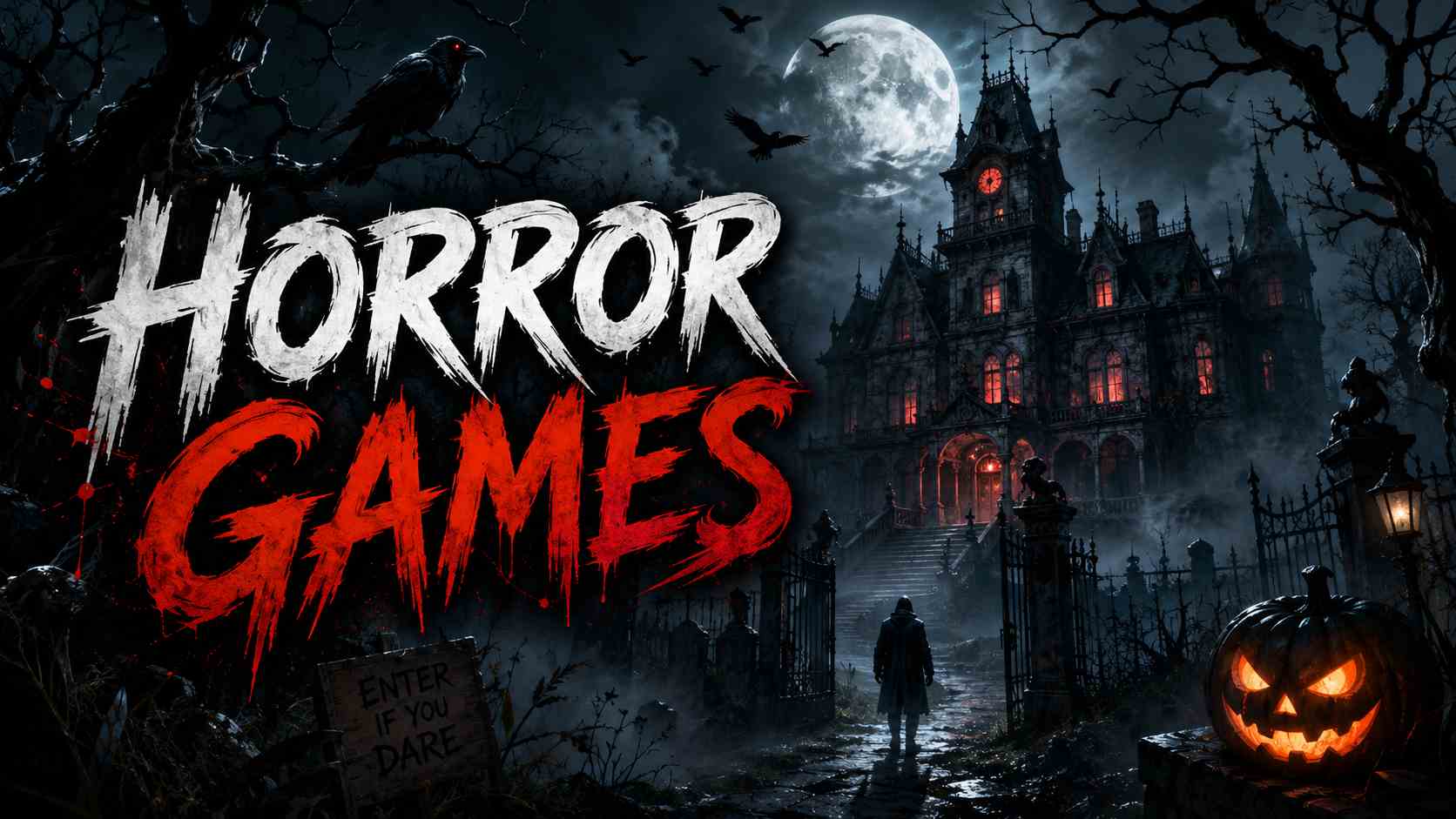
Survival horror games limit weapons and supplies, while psychological horror creates fear by making players question what is happening. Action horror gives players more ways to fight back. Multiplayer changes the experience again: the best co-op horror games use teamwork, communication, and shared mistakes to create tension. Creators can also learn how to make a horror game with tension that comes from more than jump scares.
13. Survival Games
Survival games challenge players to stay alive in a dangerous environment. You may need to find food, gather materials, make tools, build shelter, and prepare for weather, creatures, or other players.
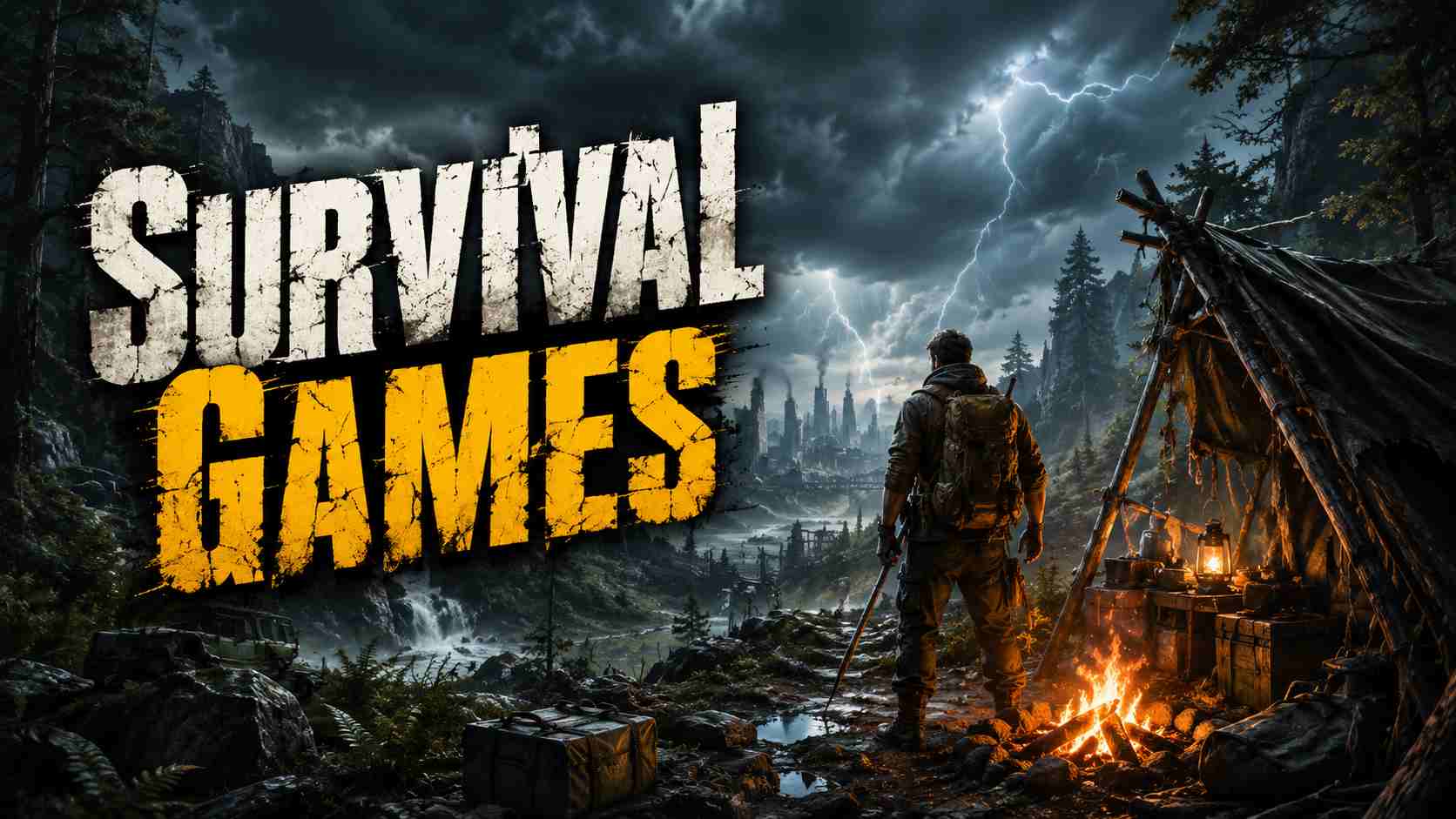
Subnautica combines underwater exploration with crafting and survival needs. Don't Starve creates pressure through hunger, changing seasons, and dangerous nights. Survival games often overlap with sandbox, horror, and open-world games, but staying alive remains the main concern.
14. Sandbox Games
Sandbox games give players tools and freedom instead of one required path. You can build, explore, experiment, create your own challenges, or decide what progress means to you.
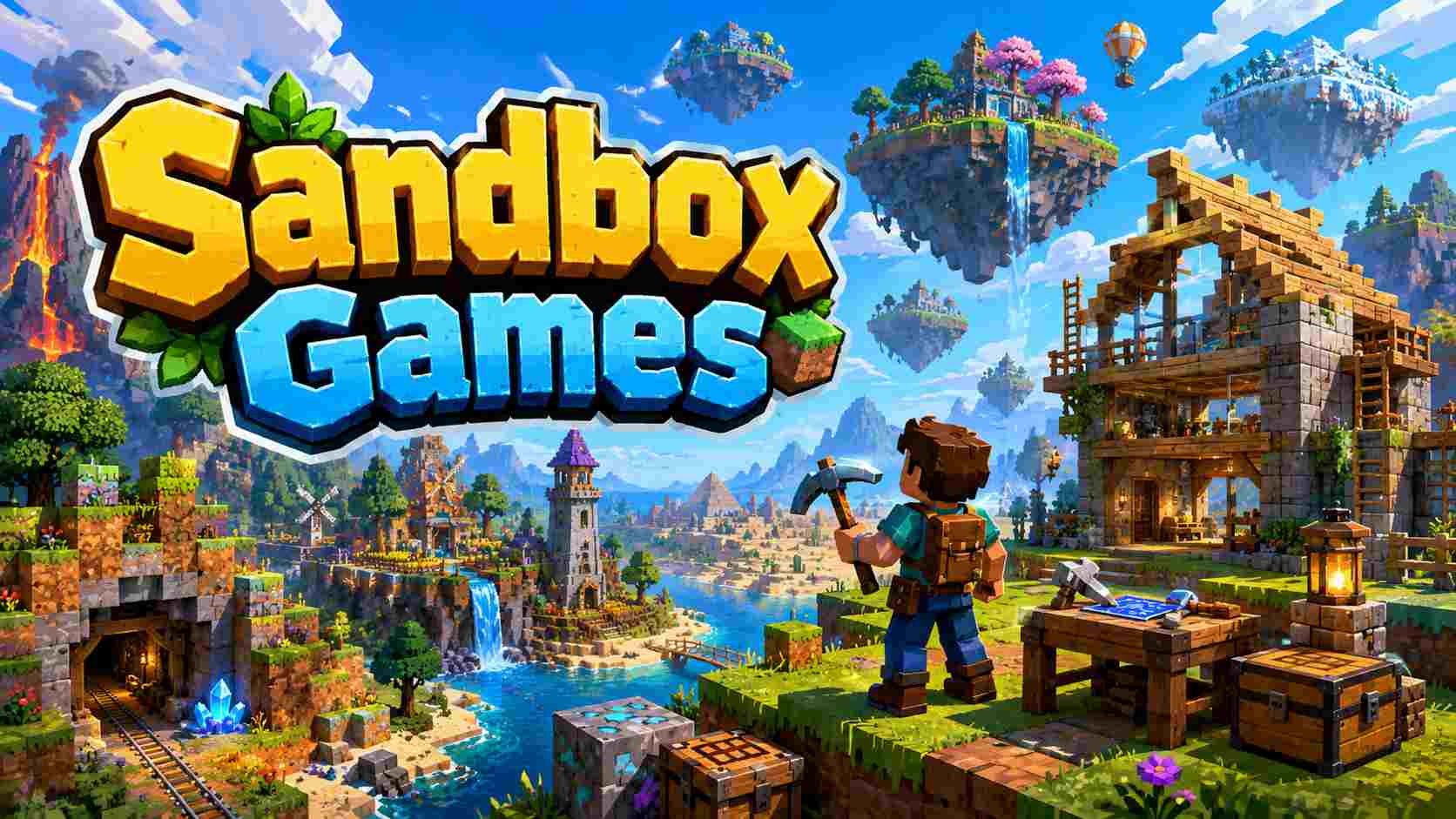
Minecraft is the best-known sandbox example because players can build, survive, explore, automate systems, or create their own games. Sandbox does not always mean open world. An open-world game gives you a large place to explore, while a sandbox game gives you freedom to use its systems in your own way. Our guide to the best sandbox games includes creative, survival, management, and physics-based choices.
15. Casual Games
Casual games are easy to learn and comfortable to play in short sessions. They usually have simple controls, clear goals, quick restarts, and difficulty that increases gradually.
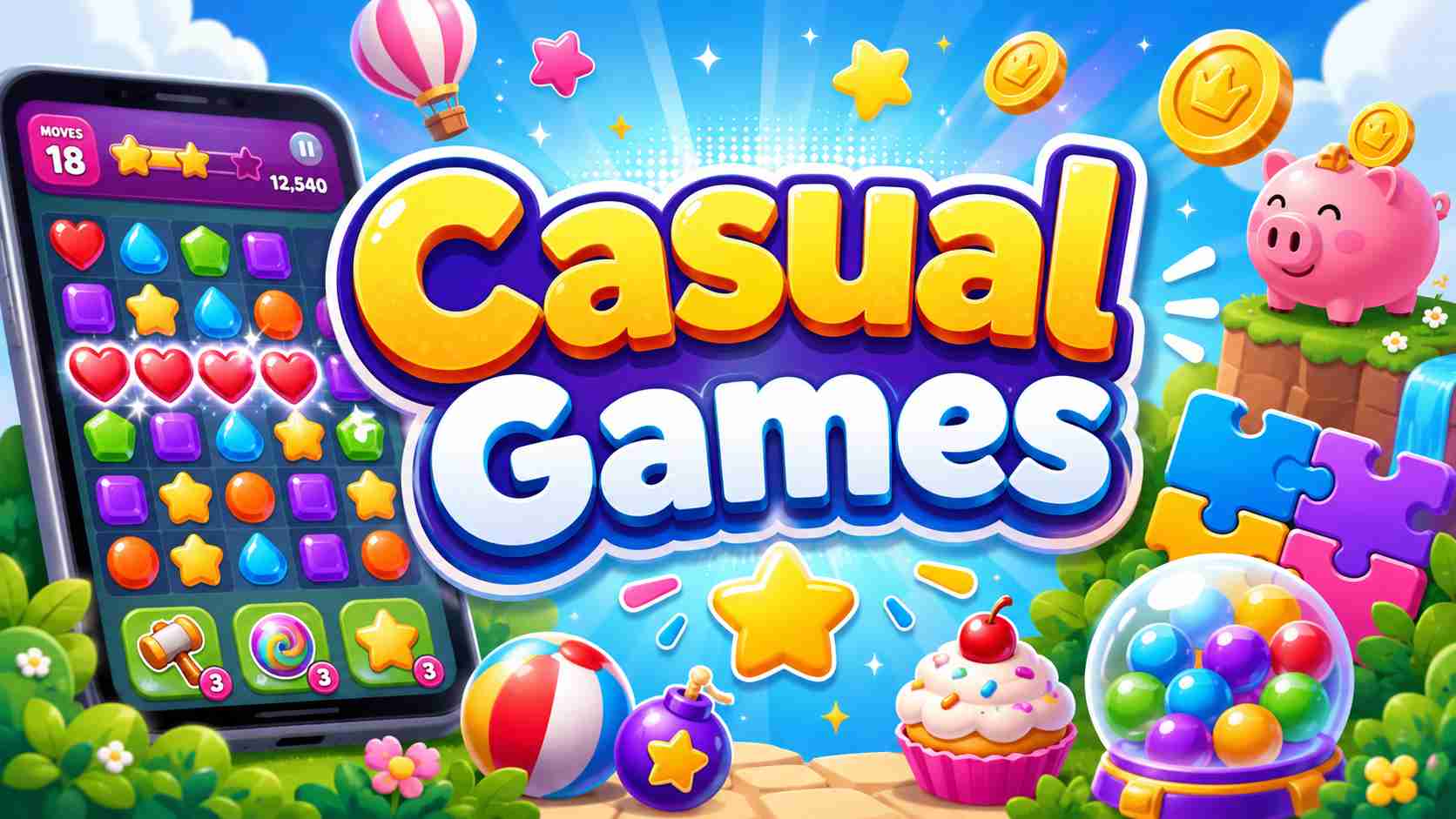
Match-3 games, hidden-object games, word puzzles, idle games, and simple arcade games often fit this category. Block breaker games are a familiar example of simple controls supporting increasingly difficult levels. Casual describes how approachable a game is rather than one exact style of play. A puzzle, simulation, or racing game can all be designed for casual players.
What About Roguelikes, Soulslikes, Metroidvanias, and MMOs?
Many popular labels describe a more specific type of game or add information to a broader genre. They do not all need to be treated as separate main categories.
| Label | Simple explanation |
|---|---|
| Roguelike or roguelite | The player repeats changing runs and loses some or all progress after failure. |
| Soulslike | An action RPG built around difficult combat, checkpoints, and learning enemy patterns. |
| Metroidvania | An exploration game where new abilities open paths in places visited earlier. |
| Dungeon crawler | A game focused on exploring dangerous areas, fighting enemies, and collecting rewards. |
| MMO | A game with a large number of players sharing the same online world. |
| Battle royale | A match where many players compete until one player or team remains. |
These labels often work together with a main genre. Elden Ring is both an action RPG and a Soulslike. Hades is an action roguelite. An MMO can be an RPG, shooter, strategy game, or another type of online game.
Why Can One Game Have Several Genres?
Games often combine different kinds of play. An action RPG uses real-time fighting but also lets players improve a character and choose equipment. A puzzle-platformer requires both careful jumping and problem-solving. Survival horror combines fear with limited supplies and the need to stay alive.
The first label usually describes what players do most often. The second adds useful detail. A game does not become a racing game because it includes one driving mission, and it does not become an RPG simply because it has a few upgrades. The extra system needs to be an important part of the full experience.
How to Choose a Genre for Your Own Game
Start with what the player will do, not just the setting. “A game set in space” could become many different games. Flying through asteroids for a high score suggests arcade action. Managing oxygen and power suggests simulation or survival. Commanding fleets and capturing planets suggests strategy.
For a first project, focus on one activity and one clear goal. Puzzle, arcade, platformer, shooter, and small management games are often easier to test before you create a large story or world. Our guide to easy games to make can help you choose a manageable starting point.
You can also use SoonLab to turn a simple genre idea into a playable browser game. Describe the player's main action, controls, goal, and failure condition first. Test that version before adding more levels, characters, or visual details.
Turn your idea into aplayable game
Describe the game you want to make, and SoonLab will help you start building it.
FAQs About Video Game Genres
How Many Video Game Genres Are There?
There is no official number. Most simple guides use around 10 to 20 broad genres, but there are many more subgenres. The total also depends on whether labels such as open world, MMO, cozy, and pixel art are counted as genres or as other types of descriptions.
What Are the Most Common Video Game Genres?
Common genres include action, adventure, RPG, strategy, simulation, puzzle, platformer, shooter, fighting, racing, sports, horror, survival, sandbox, and casual games.
Is Open World a Video Game Genre?
Open world describes how the game world is organized, not what the player mainly does. An open-world game can be an RPG, action-adventure, racing game, survival game, or sandbox.
Is Multiplayer a Game Genre?
Multiplayer describes how people play. A multiplayer game may be a shooter, sports game, RPG, strategy game, party game, or almost any other genre.
Are Pixel Games a Genre?
No. Pixel art is a visual style. Pixel games can be platformers, RPGs, simulations, action games, puzzles, or many other genres.
Conslusion
Video game genres are useful because they tell you what kind of experience to expect. Start with the player's main activity, then use subgenres and other labels to add detail. You do not need to force every game into one box.
If you enjoy quick reactions, start with action, shooter, fighting, or platformer games. Choose RPGs and adventures for characters and stories, strategy and simulation for planning, or puzzle games for problem-solving. The best genre is simply the one that matches how you want to play or what you want to create.