
The best puzzle adventure games do more than place a locked door in front of you. They make you explore, observe, connect clues, read maps, decode symbols, test rules, and slowly understand how a strange world works.
That is what separates a strong puzzle adventure game from a simple puzzle collection. A good puzzle adventure is not just about finding the right answer. It is about learning how a place thinks.
This guide looks at the best puzzle adventure games to play in 2026 from both a player’s view and a creator’s view. You will find classic world-logic adventures, modern mystery games, language puzzles, room-based puzzle boxes, and exploration-heavy games that can teach better puzzle design.
What Are Puzzle Adventure Games?
Puzzle adventure games are games that combine exploration, environmental clues, story discovery, and puzzle-solving. Unlike traditional puzzle games that often present separate brainteasers or level-based challenges, puzzle adventure games place puzzles inside a larger world that players need to understand over time.
In a puzzle adventure game, the solution is rarely just a number, code, or single correct answer. Players may need to explore rooms, read maps, decode symbols, inspect machines, connect notes, understand character behavior, or remember how one location relates to another.
If you want to understand how puzzle adventure games fit into the wider landscape of video game genres, think of them as games where exploration, story, and puzzle logic work together instead of existing as separate systems.
This is why games like Outer Wilds, Return of the Obra Dinn, The Witness, Riven, and Blue Prince feel different from simple puzzle collections. They ask players to think like explorers, detectives, translators, or engineers. A good puzzle adventure game makes the player feel smart because the answer comes from observation, curiosity, and understanding.
What Makes a Great Puzzle Adventure Game?
The best puzzle adventure games usually share five design traits.
- Exploration has a purpose. Every room, island, hallway, object, or note teaches the player something.
- Clues connect across the world. A symbol found in one place may become useful somewhere else later.
- The map creates memory. Players remember spaces because they solved something meaningful there.
- Rules are revealed gradually. Great puzzle adventures teach through testing, not long tutorials.
- Mystery keeps players moving. The next answer always feels close enough to chase.
For creators, this is also why strong AI game prompts should describe the setting, puzzle rule, clue chain, and player goal instead of only asking for a random riddle or locked door.
Best 15 Puzzle Adventure Games Worth Playing
The following games are not listed only because they are popular. Each one represents a different strength of puzzle adventure design: world logic, environmental storytelling, deduction, language decoding, mechanical interaction, hidden rules, or exploration-driven discovery. Together, they show why the best puzzle adventure games are remembered not just for their puzzles, but for the way they make players understand a world.
| Game | Core Puzzle Style | Best For |
|---|---|---|
| Blue Prince | Procedural mansion, room drafting, clue tracking | Players who love layered mystery |
| Outer Wilds | Exploration, time loop, knowledge gates | Players who want discovery over checklists |
| Return of the Obra Dinn | Deduction and identity logic | Detective puzzle fans |
| The Witness | Symbol rules and environmental puzzles | Pure logic and observation |
| Lorelei and the Laser Eyes | Nonlinear hotel mystery and codes | Hardcore puzzle solvers |
| Animal Well | Tools, secrets, spatial exploration | Players who love hidden layers |
| Riven | World logic and mechanical systems | Myst-style exploration fans |
| Cocoon | Worlds inside orbs | Elegant mechanical puzzle fans |
| Chants of Sennaar | Language decoding | Symbol and culture puzzle fans |
| Tunic | Manual pages and hidden rules | Zelda-like exploration fans |
| The Room: Old Sins | Tactile puzzle boxes | Room puzzle fans |
| The House of Da Vinci | Mechanical inventions and hidden objects | Escape-room puzzle fans |
| Myst | Island exploration and machine logic | Classic adventure fans |
| The Talos Principle 2 | Spatial puzzle rooms and philosophy | Sci-fi puzzle players |
| Arranger | Grid movement and world-shifting | Players who like simple rules with depth |
1. Blue Prince
Platforms: PC, PlayStation 5, Xbox Series X/S, macOS, Nintendo Switch 2
Best for: Players who enjoy note-taking, mansion mysteries, and long-term deduction
Core mechanic: Draft rooms into a shifting mansion layout
Blue Prince earns its place among the best puzzle adventure games because it turns a single mansion into an evolving puzzle system. Instead of giving players a fixed map, it asks them to build the mansion room by room, make route decisions, manage limited steps, and slowly understand how each room changes the larger structure.
What makes the game especially strong is that every room feels meaningful. A room is not just a place to pass through. It may contain a clue, change the layout, affect your resources, reveal a hidden rule, or help you reach a deeper part of the mystery. This makes exploration feel strategic rather than random.
For players, Blue Prince is rewarding because progress comes from memory, planning, and careful observation. For puzzle designers, it is a standout example of how a small location can feel huge when the rules behind it are deep enough.
Why it deserves a spot: It proves that a puzzle adventure does not need a massive open world to feel complex. A single mansion can become unforgettable when every space has a purpose.
If you enjoy games where exploration itself becomes part of the puzzle, you may also like our guide to the best open world games and what they teach game creators.
2. Outer Wilds
Platforms: PC, PlayStation, Xbox, Nintendo Switch
Best for: Players who want discovery, space exploration, and knowledge-based progress
Core mechanic: Explore a solar system trapped in a time loop
Outer Wilds is one of the clearest examples of a puzzle adventure built around knowledge instead of traditional upgrades. The player explores a small solar system trapped in a repeating time loop, but the most important thing that carries forward is not an item or a skill tree. It is understanding.
The game works because every planet teaches the player something. A strange ruin, a changing landscape, a written message, or a timed event may seem confusing at first, but later becomes part of a larger explanation. The more players learn, the more the solar system opens up.
This makes Outer Wilds feel deeply fair. The answers are usually visible from the beginning, but players are not ready to understand them yet. That is what makes discovery so satisfying: the game does not simply reward searching. It rewards thinking.
Why it deserves a spot: It is one of the best examples of knowledge-gated design, where learning something new feels as powerful as finding a key.
3. Return of the Obra Dinn
Platforms: PC, macOS, Nintendo Switch, PlayStation, Xbox
Best for: Players who love detective logic and evidence-based deduction
Core mechanic: Identify the fate of every person on a lost ship

Return of the Obra Dinn deserves to be called one of the best puzzle adventure games because it trusts the player more than most detective games do. The central mystery is simple: a missing ship returns with no living crew. The challenge is to identify every person on board and determine how each one died.
The brilliance is in how the evidence is presented. Players inspect frozen moments from the past, listen to short audio fragments, study uniforms, accents, locations, relationships, job roles, and cause-of-death details. No single clue solves the whole case. The truth emerges only when players connect many small observations.
This makes the game feel unusually satisfying. It does not turn detective work into a checklist. It gives players enough evidence to reason, doubt, revise, and finally feel confident. When a deduction is confirmed, it feels earned.
Why it deserves a spot: It is a masterclass in fair deduction, showing how a puzzle adventure can make players feel genuinely intelligent without overexplaining the answer.
4. The Witness
Platforms: PC, PlayStation, Xbox, macOS, iOS
Best for: Players who want pure logic, observation, and environmental puzzle design
Core mechanic: Learn symbol rules across an open island
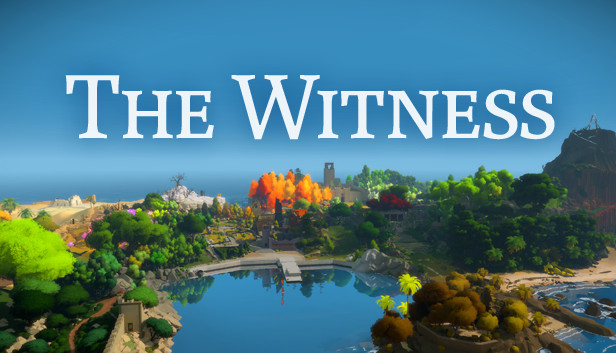
The Witness stands out because it builds an entire island around the act of learning. At first, many puzzles look like simple line-drawing challenges. Over time, players begin to understand that each area teaches a new visual rule, then combines that rule with ideas learned somewhere else.
What makes the game powerful is its teaching method. It rarely stops to explain itself directly. Instead, it lets players test a rule in a simple form, fail safely, notice a pattern, and then apply that pattern in a more complex situation. This creates a strong sense of personal discovery.
The island itself also becomes part of the puzzle language. Shapes, shadows, colors, paths, and viewpoints can all become meaningful. That shift changes how players look at the world: every visual detail may matter.
Why it deserves a spot: It is one of the strongest examples of visual logic design, where the game teaches through observation rather than instruction.
5. Lorelei and the Laser Eyes
Platforms: PC, Nintendo Switch, PlayStation, Nintendo Switch 2
Best for: Hardcore puzzle solvers who like dense notes, codes, symbols, and nonlinear structure
Core mechanic: Solve a surreal hotel mystery through documents, codes, and visual clues

Lorelei and the Laser Eyes belongs on this list because it treats the entire game like one large, interconnected puzzle box. Set around a surreal hotel, it asks players to read documents, decode symbols, compare dates, notice repeated visual motifs, and keep track of information across different rooms and timelines.
This is not a puzzle adventure that gives easy answers after every step. It expects attention, patience, and note-taking. But that difficulty is also what makes it memorable. Players are not just solving isolated locks; they are building a personal archive of meanings.
The game is especially effective for players who enjoy dense mysteries because almost every detail feels intentional. A number, poster, date, object, or room layout may become useful later, which gives the world a strong sense of hidden structure.
Why it deserves a spot: It shows how a puzzle adventure can feel sophisticated and layered when documents, spaces, symbols, and memory all work together.
6. Animal Well
Platforms: PC, PlayStation 5, Xbox Series X/S, Nintendo Switch
Best for: Players who love secrets, hidden paths, and tool-based exploration
Core mechanic: Use tools and observation to uncover layered secrets

Animal Well may look small and quiet at first, but that is part of why it is so effective. It invites players into a strange underground world filled with animals, hidden paths, unusual tools, and environmental secrets. The game rarely tells players exactly what to do, which makes experimentation feel central to the experience.
Its strength comes from layered discovery. A tool that first seems useful for one simple action may later reveal a completely different purpose. A room that looks empty may hide a path. An animal’s behavior may become a clue. This gives the world a sense of depth beyond its simple visual surface.
For players, the appeal is the feeling that there is always something else to uncover. For creators, it is a strong example of how puzzle adventure design can reward curiosity without relying on long dialogue or complex tutorials.
Why it deserves a spot: It turns secrets, tools, and environmental behavior into the heart of the adventure, making discovery feel physical and surprising.
7. Riven
Platforms: PC, macOS, PlayStation 5, Xbox, Meta Quest, PS VR2
Best for: Players who like world logic, machines, islands, and slow observation
Core mechanic: Understand a connected world through symbols, machines, and environmental clues
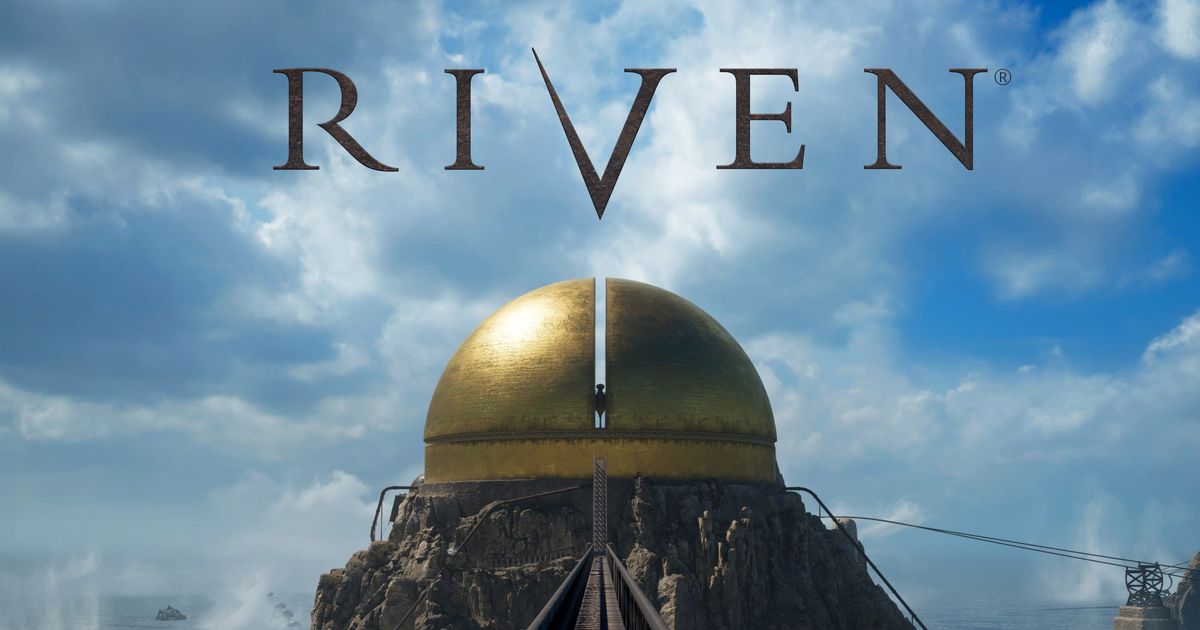
Riven is often remembered as one of the defining world-logic puzzle adventures. Its puzzles do not feel like random locks placed in front of the player. They feel connected to the islands, machines, culture, number systems, architecture, and history of the world.
This is what makes Riven so respected. To solve its puzzles, players must pay attention to how the world works. A machine is not just a mechanical obstacle. A symbol is not just decoration. A location is not just scenery. Everything may explain something else.
The game rewards slow observation and careful thinking. It is not designed around fast answers. It asks players to understand a place on its own terms, which is one of the purest forms of puzzle adventure design.
Why it deserves a spot: It remains one of the strongest examples of environmental logic, where the world itself becomes the instruction manual.
8. Cocoon
Platforms: PC, Nintendo Switch, PlayStation, Xbox
Best for: Players who like elegant mechanics and compact puzzle systems
Core mechanic: Carry worlds inside orbs and use them to solve spatial puzzles
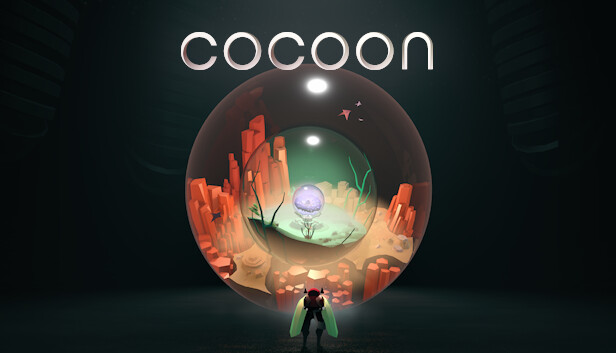
Cocoon proves that a puzzle adventure does not need a huge number of mechanics to feel original. Its central idea is simple and brilliant: worlds exist inside orbs, and those orbs can be carried, placed, powered, entered, and used to affect other spaces.
The beauty of the design is that every new puzzle grows naturally from that one idea. An orb is both an object and a world. That means players must think about space, state, movement, and perspective in unusual ways.
The game is approachable because its rules are clear, but it still feels deep because the consequences of those rules keep expanding. This balance makes it one of the most elegant modern puzzle adventures.
Why it deserves a spot: It shows how one strong core mechanic can support an entire adventure when the puzzle design explores that mechanic from many angles.
9. Chants of Sennaar
Platforms: PC, Nintendo Switch, PlayStation, Xbox, iOS, Android
Best for: Players who enjoy language, symbols, cultures, and context clues
Core mechanic: Decode fictional languages through observation
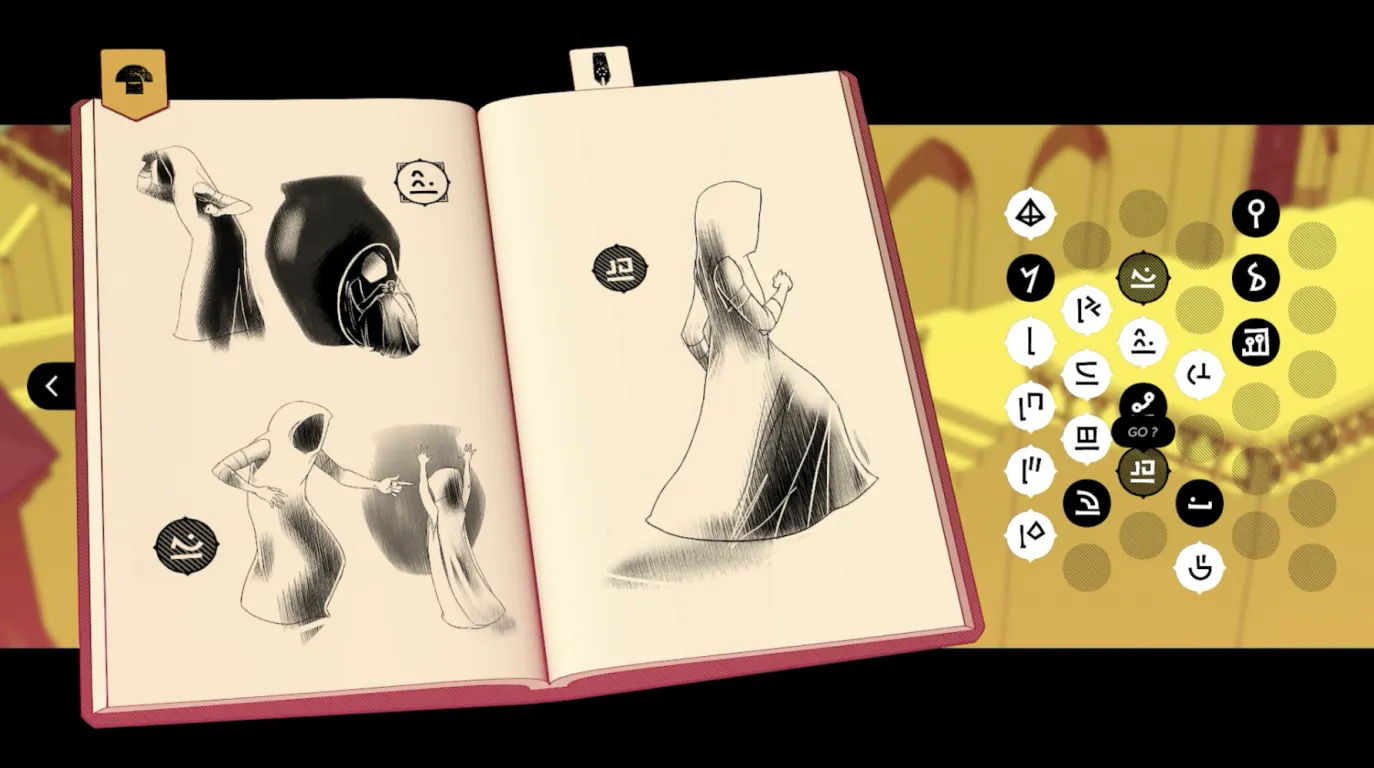
Chants of Sennaar earns its place because it turns language into exploration. Instead of treating symbols as simple codes to crack, it connects them to people, culture, behavior, social rules, and the spaces players move through.
As players climb the tower, they encounter different groups with different writing systems. To understand them, players must observe signs, gestures, conversations, routines, and the way people interact with the world around them. Meaning comes from context.
This makes the game feel more human than many traditional puzzle games. Players are not just decoding marks on a wall. They are learning how different communities see and describe the world.
Why it deserves a spot: It is one of the best language-based puzzle adventures because it makes translation feel like cultural discovery, not just symbol matching.
10. Tunic
Platforms: PC, macOS, Xbox, PlayStation, Nintendo Switch
Best for: Players who like action-adventure worlds with hidden puzzle layers
Core mechanic: Discover manual pages that reveal hidden rules
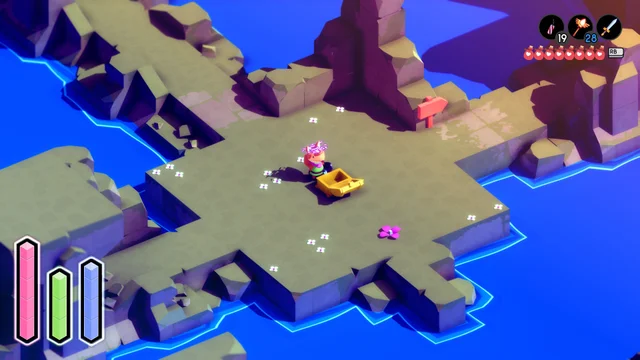
Tunic may look like a charming action-adventure game at first, but its puzzle adventure strength comes from how it hides knowledge in plain sight. The player gradually collects manual pages that explain mechanics, maps, secrets, symbols, and rules that were often present from the beginning.
This creates a powerful feeling of realization. A path that once seemed decorative, a symbol that looked meaningless, or a mechanic that felt ordinary may suddenly become important after the player understands a page of the manual.
The game is especially memorable because it makes documentation part of the mystery. Instead of separating tutorials from adventure, it turns instructions into treasure.
Why it deserves a spot: It shows how hidden rules, manuals, symbols, and exploration can turn an action-adventure game into a deeply satisfying puzzle adventure.
11. The Room: Old Sins
Platforms: iOS, Android, PC
Best for: Players who want tactile puzzle boxes and detailed object interactions
Core mechanic: Explore a mysterious dollhouse full of connected rooms
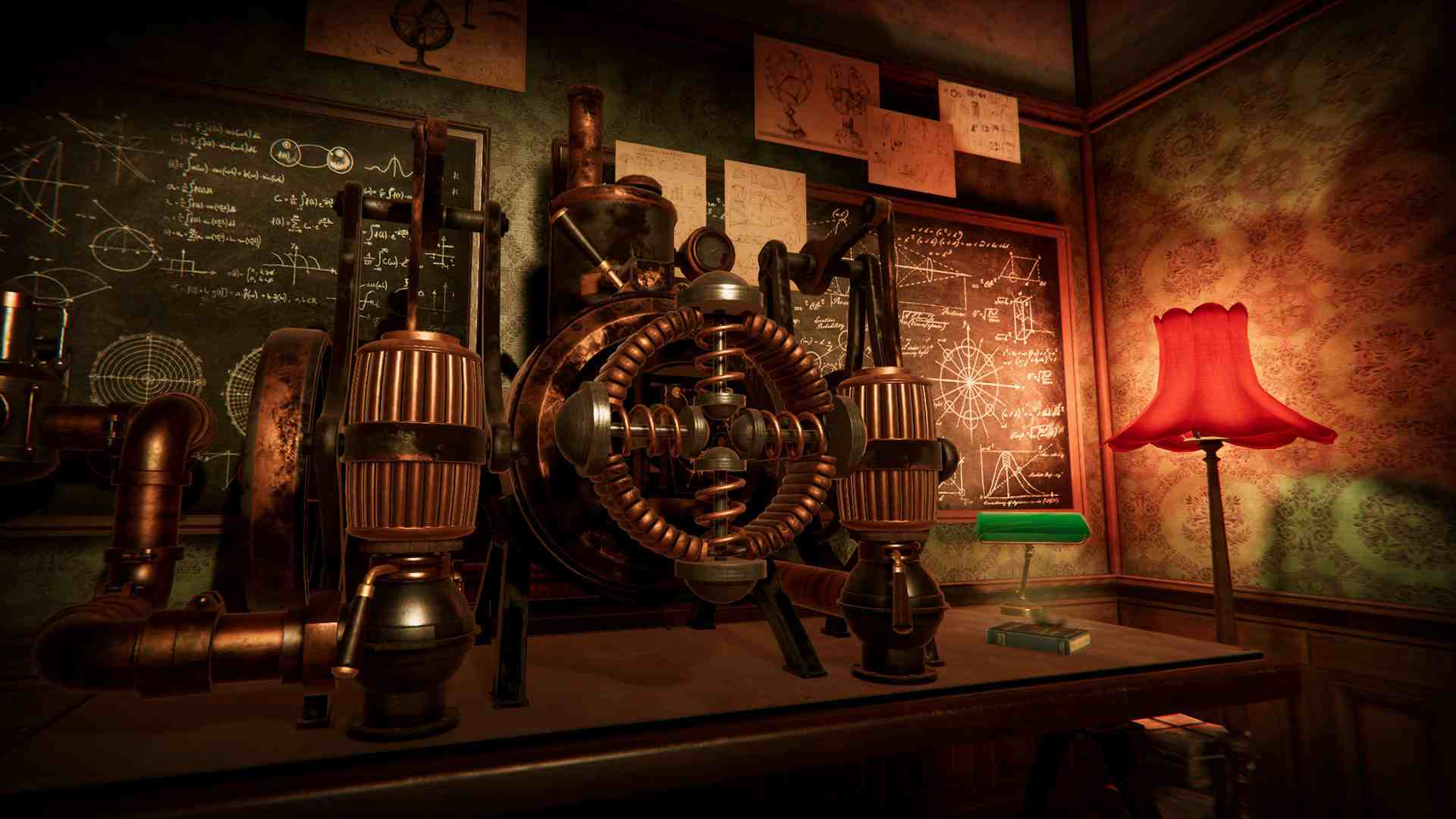
The Room: Old Sins is one of the strongest choices for players who enjoy tactile, object-based puzzle adventures. The game centers on a mysterious dollhouse filled with connected rooms, hidden mechanisms, secret compartments, rotating parts, lenses, keys, and layered interactions.
Its strength is not scale, but detail. Every object feels like something the player can inspect, turn, unlock, adjust, or transform. That physical quality makes the puzzles satisfying even when the game is smaller than many exploration-heavy adventures.
The game also understands pacing. Each solved mechanism leads naturally to another discovery, so players feel a steady rhythm of curiosity and reward.
Why it deserves a spot: It is one of the best room-scale puzzle adventures because it makes object interaction feel precise, polished, and rewarding.
12. The House of Da Vinci
Platforms: PC, macOS, iOS, Android, and additional platforms depending on edition
Best for: Players who like mechanical puzzles, inventions, and escape-room structure
Core mechanic: Solve Renaissance-inspired machines and hidden-object puzzles
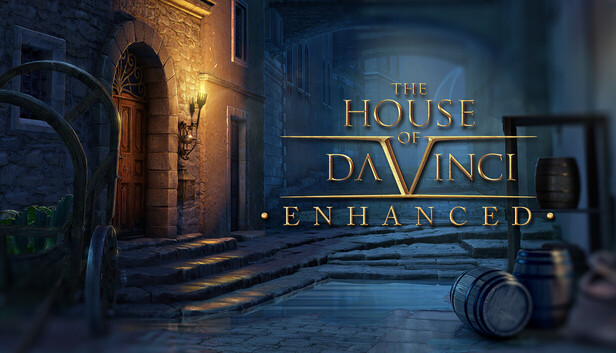
The House of Da Vinci stands out because its theme and mechanics support each other so naturally. Renaissance inventions, gears, lenses, sketches, hidden drawers, and mechanical devices all feel like they belong in the same world.
This matters because puzzle adventure games are more convincing when their puzzles feel native to the setting. In this game, players are not simply opening abstract locks. They are studying machines, uncovering inventions, and solving mechanisms that fit the atmosphere.
For players who enjoy escape-room-style structure, the game offers a clear and satisfying loop: observe an object, discover its hidden function, connect it to another mechanism, and move deeper into the mystery.
Why it deserves a spot: It is a strong example of theme-driven puzzle design, where the setting makes the mechanical puzzles feel more believable and enjoyable.
13. Myst
Platforms: Multiple versions across PC, console, mobile, and VR
Best for: Players who want classic quiet exploration and environmental logic
Core mechanic: Explore strange Ages and solve machines through observation
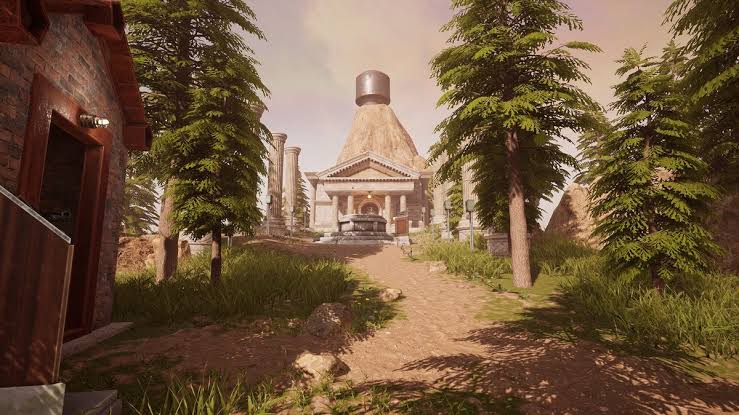
Myst remains important because it helped define what environmental puzzle adventures could be. It asks players to explore quiet, strange places and understand machines, sounds, symbols, books, and spatial relationships through observation.
The game’s lasting value comes from its restraint. It does not rush players from one objective marker to another. It lets the environment speak. A lever, drawing, sound pattern, or machine part may be the clue players need, but only if they slow down enough to notice it.
For modern readers, Myst is worth understanding because many puzzle adventure games still use its core idea: the world is not just a backdrop for puzzles. The world is the puzzle.
Why it deserves a spot: It is a foundational puzzle adventure that proved quiet exploration and environmental logic could create lasting mystery.
14. The Talos Principle 2
Platforms: PC, PlayStation 5, Xbox Series X/S
Best for: Players who like spatial puzzle rooms, science fiction, and philosophical mystery
Core mechanic: Solve device-based spatial puzzles inside a large sci-fi world
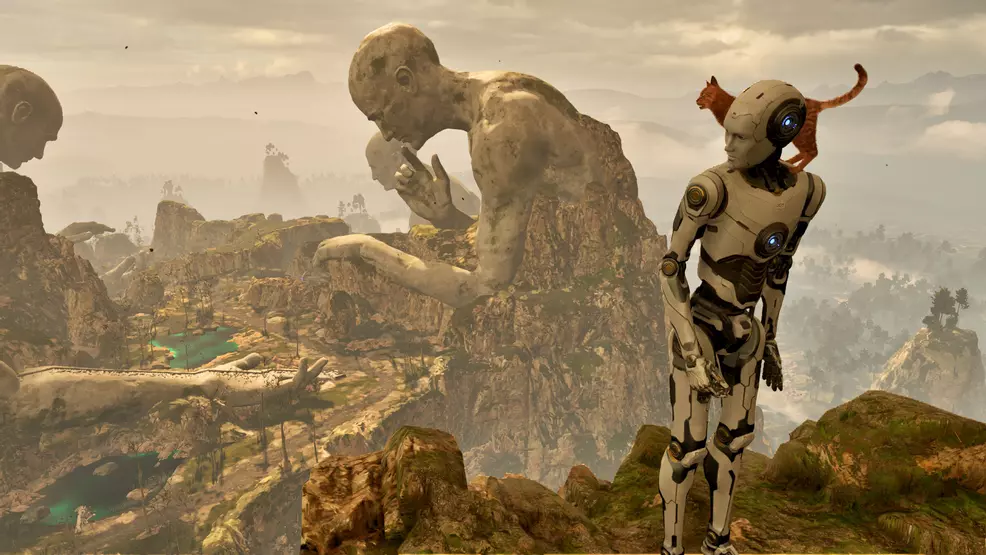
The Talos Principle 2 is more formal than some puzzle adventure games, but it belongs here because it connects puzzle-solving with exploration, architecture, science fiction, and philosophical questions. Its puzzles are clear and mechanical, yet the world around them gives those puzzles a broader meaning.
Players solve spatial challenges using devices, barriers, connectors, movement rules, and environmental layouts. But the game also asks larger questions about society, identity, progress, and civilization. This gives the experience more weight than a simple collection of puzzle rooms.
The result is a game that balances clarity and ambition. The puzzles are structured enough to be readable, while the surrounding world gives players a reason to keep thinking beyond the solution.
Why it deserves a spot: It shows how puzzle adventures can combine precise spatial design with large-scale themes without losing mechanical clarity.
15. Arranger: A Role-Puzzling Adventure
Platforms: PC, Nintendo Switch, PlayStation 5, macOS, iOS, Android
Best for: Players who enjoy simple rules that affect the entire map
Core mechanic: Moving the character shifts rows and columns of the world
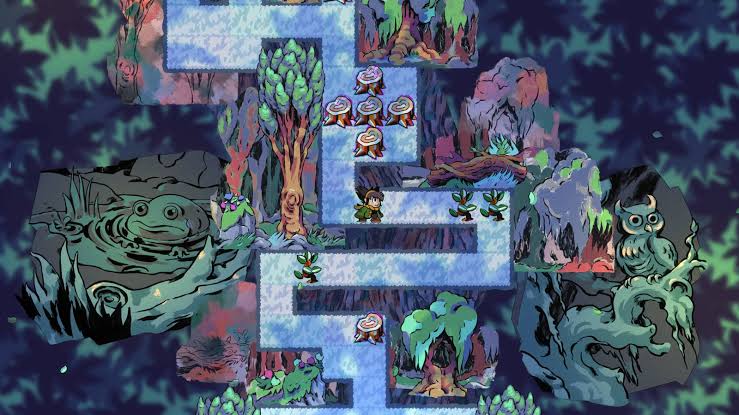
Arranger: A Role-Puzzling Adventure deserves attention because it builds a full adventure from one clear movement rule. When the player moves, rows and columns of the world shift with them. That means movement is not just how players travel. Movement is how they solve.
This simple rule creates many different puzzle situations. Players must think about where objects will slide, how enemies or barriers will move, and how the map itself changes with each step. Because the rule is easy to understand, the game can become clever without becoming confusing.
The game is especially useful for understanding puzzle adventure design because it proves that a strong idea does not need to be complicated. A clear mechanic, applied consistently across a world, can support exploration, problem-solving, and progression.
Why it deserves a spot: It turns movement into the main puzzle system, showing how one elegant rule can make an entire adventure feel fresh.
What Puzzle Adventure Games Teach Game Creators
These design lessons are useful not only for players, but also for anyone learning how to make your own game with AI.
| Design Lesson | Example Games | How to Use It |
|---|---|---|
| Make exploration meaningful | Outer Wilds, Riven, Myst | Every area should teach a rule, clue, or story fact. |
| Connect clues across locations | Blue Prince, Lorelei, Obra Dinn | Let players connect notes, symbols, rooms, names, and timelines. |
| Give mechanics multiple uses | Cocoon, Animal Well, Tunic | A tool should solve more than one kind of problem. |
| Build a memorable map | The Witness, Blue Prince, Chants of Sennaar | Make locations distinct enough that players remember where clues came from. |
| Let players feel smart | Obra Dinn, The Room, The House of Da Vinci | Avoid over-explaining. Give evidence, not answers. |
| Keep the first prototype small | Arranger, The Room, Cocoon | One mechanic and one clear goal can be enough. |
How to Make a Puzzle Adventure Game with SoonLab
After exploring these puzzle adventure games, you may want to test your own puzzle idea. The safest approach is not to build a huge mystery immediately. Start with one small playable prototype.
If you are still learning the basics of puzzle design, you can first read our guide on how to make a puzzle game with AI. It explains how to choose a mechanic, define clear rules, write a prompt, test the prototype, and improve the game step by step.
If your first puzzle is based on pairing symbols, words, images, clues, or related objects, SoonLab's matching game maker offers a more focused starting point. Define the pairs, rules, timer, scoring, and difficulty, then generate and test the game directly in your browser.
AI game maker SoonLab can help creators turn puzzle adventure concepts into browser-playable prototypes and mini games from prompts. This is useful when you want to test a room puzzle, clue chain, object interaction, locked door, map idea, or mystery loop before building a full game.
Step 1: Write a Clear Puzzle Prompt
Start with one location, one mechanic, one locked goal, and three connected clues.
A good prompt should include:
- The setting
- The player goal
- The key puzzle mechanic
- The clue objects
- The win condition
- The visual style
- The difficulty level
Step 2: Create a Playable Mini Game
Use the prompt to generate a small playable version. Do not begin with a giant world, a full inventory system, or a complicated story. Test whether the puzzle is understandable first.
Turn your idea into aplayable game
Describe the game you want to make, and SoonLab will help you start building it.
Step 3: Edit, Test, and Share
Play the game like a new player. Ask simple questions:
- Do I know what my goal is?
- Are the clues readable?
- Does the solution feel fair?
- Is the map easy to remember?
- Does the final moment feel satisfying?
Once the puzzle logic works, you can improve readability with clearer visual feedback, better object states, and more consistent game sprites.
Puzzle Adventure Game Prompt Examples
FAQs
What are the best puzzle adventure games?
Some of the best puzzle adventure games in 2026 include Blue Prince, Outer Wilds, Return of the Obra Dinn, The Witness, Lorelei and the Laser Eyes, Animal Well, Riven, Cocoon, Chants of Sennaar, and Tunic.
If you want deep mystery and note-taking, start with Blue Prince or Lorelei and the Laser Eyes. If you want exploration and discovery, try Outer Wilds, Riven, or Myst. If you prefer pure deduction, Return of the Obra Dinn remains one of the strongest choices.
What is the best puzzle adventure game to start with?
For beginners, The Room: Old Sins, The House of Da Vinci, Cocoon, and Chants of Sennaar are approachable starting points. For deeper exploration and mystery, Outer Wilds, Blue Prince, Return of the Obra Dinn, and The Witness are stronger long-term picks.
What makes a puzzle adventure game good?
A good puzzle adventure game connects puzzles to the world. The best examples use maps, symbols, objects, architecture, notes, machines, and character behavior as clues, so solving feels like understanding a place rather than answering a quiz.
Are puzzle adventure games the same as puzzle games?
Not exactly. A puzzle game can be a collection of isolated challenges. A puzzle adventure game usually adds exploration, setting, mystery, story, or environmental logic, so the player solves puzzles by understanding a larger world.
Can I make a puzzle adventure game with AI?
Yes. An AI game maker such as SoonLab can help creators prototype puzzle adventure ideas from prompts. If you want to compare different options, see our guide to the best AI game makers.
Are puzzle adventure games good for beginner game creators?
Yes, as long as the scope is small. A beginner can start with one room, one locked object, three clues, and one final solution. The challenge is not making a huge world. The challenge is making the clue chain clear and satisfying.
What is a good first puzzle adventure game idea?
A strong first idea is a one-room mystery. For example, create a locked lighthouse room with three clues, one hidden mechanism, and one final door. This is easier to design, test, and improve than a large multi-hour adventure.
Conclusion
The best puzzle adventure games are memorable because they make players feel like explorers, detectives, translators, engineers, and pattern readers. They do not simply ask, “Can you solve this puzzle?” They ask, “Can you understand this world?”
For creators, that is the most important lesson. Start small. Build one place worth noticing. Add one mechanic worth testing. Connect three clues in a fair way. Then prototype, play, and improve.
A great puzzle adventure does not begin with a huge map. It begins with one mystery the player wants to solve.