
The best pixel art games do more than recreate the look of an old console. They use color, animation, lighting, and small visual details to make their worlds easier to understand and more enjoyable to explore.
Stardew Valley is my top recommendation overall. Its warm, readable art supports everything from farming and changing seasons to character stories and underground exploration. If you want something faster, choose Dead Cells. For precise platforming, start with Celeste. If puzzles and hidden discoveries sound more appealing, Animal Well is the better fit.
Below are 12 pixel art games worth playing in 2026, including relaxing farming games, action platformers, RPGs, puzzle adventures, and games built for short repeatable runs.
12 Best Pixel Art Games in 2026
1. Stardew Valley – Best Pixel Art Game Overall
Best for: Farming, exploration, relationships, and long-term play
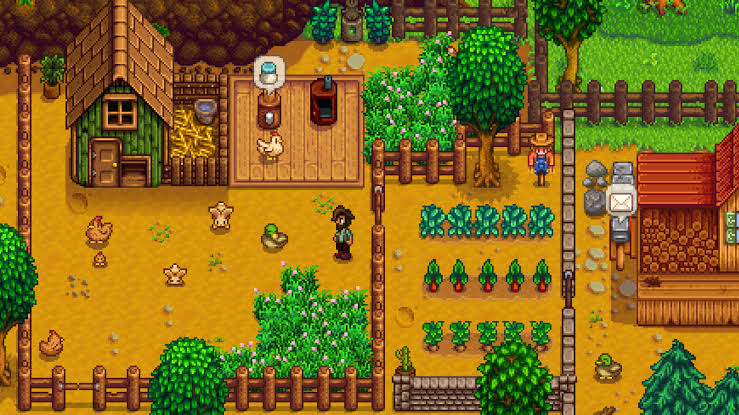
Stardew Valley begins with an overgrown farm and a small collection of basic tools. From there, it gradually opens into a much larger country-life RPG where you can grow crops, raise animals, fish, explore mines, build relationships, and help shape the local community.
The pixel art looks simple at first, but it carries a surprising amount of information. Crops remain recognizable as the farm expands. Every season changes the colors and atmosphere of the valley. Character portraits add expressions and personality that would be difficult to communicate through the smaller walking sprites alone.
What stands out most is how well the artwork supports the daily routine. Even when a farm becomes crowded with animals, paths, machines, crops, and storage boxes, important objects remain easy to identify.
The final visual style was developed through years of experimentation. In an interview about learning pixel art, creator Eric Barone described Stardew Valley as a long process of trial and error. He called the project “kind of a training course in pixel art,” with characters and environments repeatedly redesigned as his skills improved.
That development history is visible in the finished game. Its characters, buildings, music, farming systems, and changing environments feel like parts of the same world rather than separate features placed together.
The main limitation is the pace. The first few in-game days may feel slow if you expect immediate action. Once the farm expands and more areas open, that quiet rhythm becomes one of the game’s greatest strengths.
2. Terraria – Best for Exploration and Building
Best for: Players who want freedom, crafting, discovery, and combat
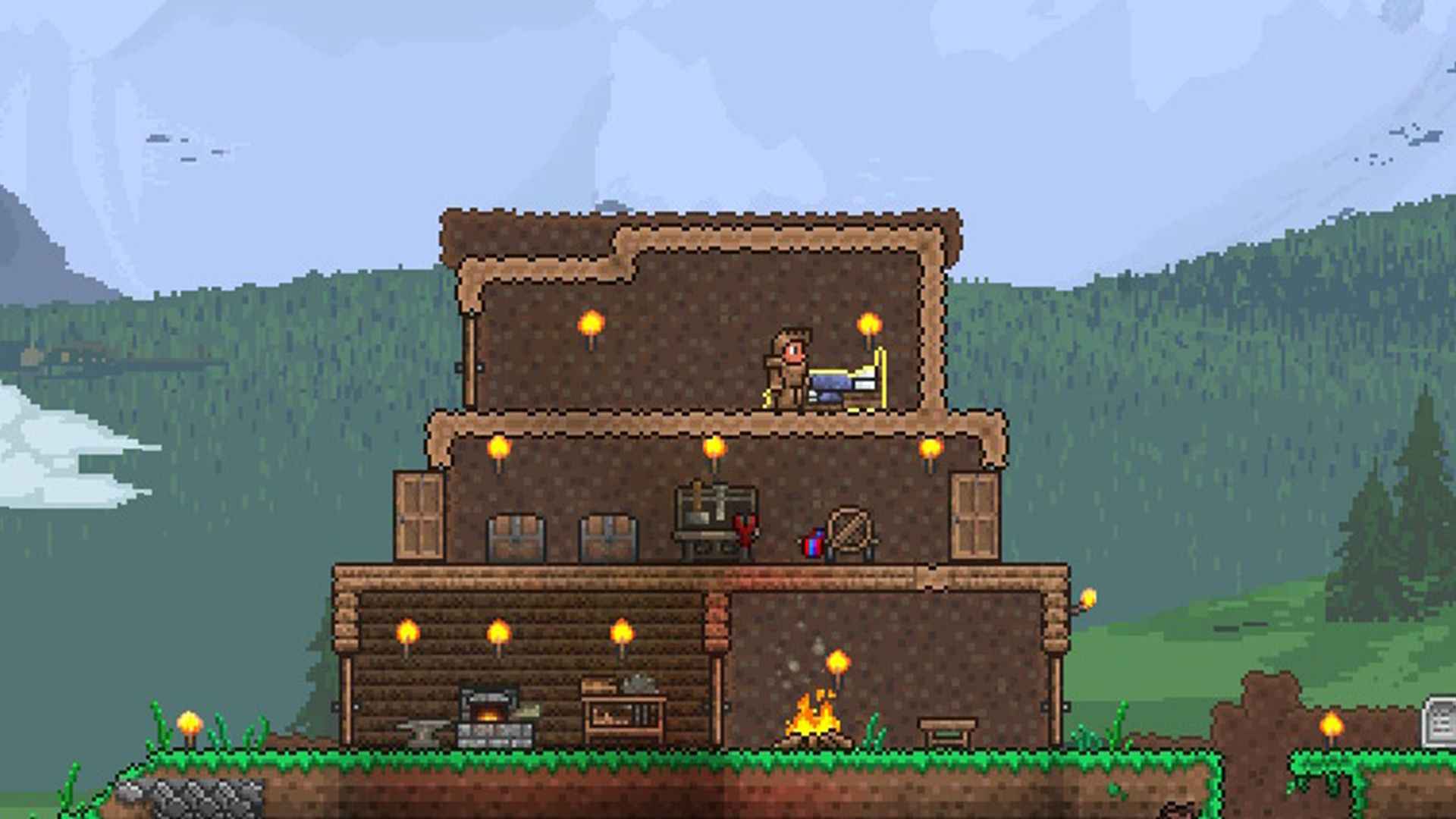
Terraria is one of the easiest pixel games to keep returning to. The first few minutes may involve cutting trees and building a small shelter. Before long, the same world opens into underground ruins, floating islands, dangerous biomes, boss fights, rare equipment, and increasingly ambitious building projects.
The pixel art strengthens that feeling of discovery. Each biome has its own blocks, backgrounds, enemies, colors, and environmental effects. Equipment also changes the appearance of your character, so progress is visible rather than represented only by larger statistics.
Choose Terraria over Stardew Valley if exploration and combat matter more to you than relationships and daily routines. Terraria provides more freedom, but it also expects you to accept more uncertainty.
You can build a carefully organized settlement, hunt for rare items, prepare for the next boss, or explore simply to find out what is hidden beneath the surface. Few games provide this much freedom inside a 2D pixel world.
That freedom is also Terraria’s biggest weakness for beginners. The game does not always explain what to build, where to go, or which boss to face next. The lack of direction makes discovery exciting, but it may also leave new players searching for outside guidance.
3. Celeste – Best Pixel Platformer
Best for: Precise movement, difficult levels, and a focused story
Celeste is the strongest choice for players who want precise platforming. Its controls revolve around a small set of actions: move, jump, climb, and dash. The game keeps finding new ways to combine those actions through changing hazards and level mechanics.
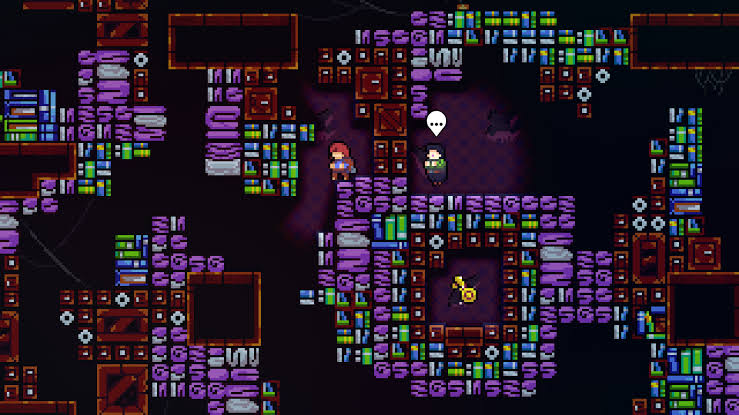
The pixel graphics are clean and highly readable. Platforms, hazards, collectibles, and interactive objects stand apart from the background. When a jump fails, it is usually possible to understand what went wrong and what needs to change on the next attempt.
This clarity matters because Celeste can be extremely difficult. It asks for accurate movement without making the obstacles visually confusing or unfair.
The game also separates its visual responsibilities intelligently. Small sprites keep the platforming readable, while larger character portraits carry more emotion and personality during conversations. The result is a game that can remain mechanically precise without weakening its story.
The later levels demand patience and repeated attempts. Assist options can make the journey more approachable, but they do not change the fact that Celeste is built around overcoming difficult rooms.
If its movement system gives you ideas for a smaller project, SoonLab has a practical guide to making a platformer game with clear controls, hazards, goals, and level progression.
4. Dead Cells – Best for Fast Pixel Art Combat
Best for: Fast action, repeated runs, and experimenting with weapons
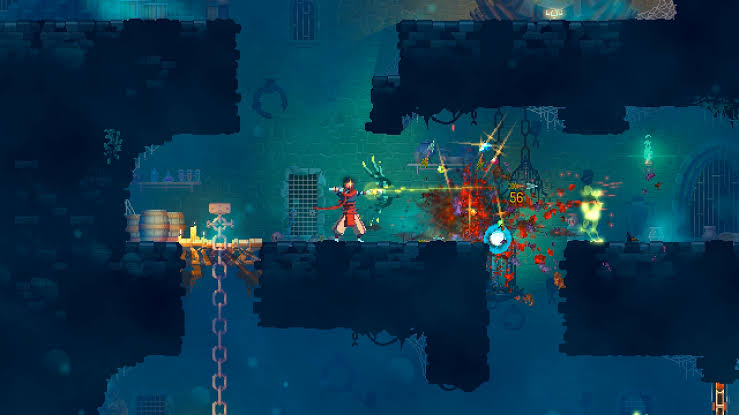
Dead Cells is the best choice on this list when combat matters more than story. Movement is quick, attacks have a satisfying sense of impact, and enemies usually communicate their next move before they strike.
The weapons make each run feel different. A shield rewards careful timing. Fast melee weapons encourage aggressive movement. Bows, traps, fire, poison, and other effects make it possible to develop a different strategy whenever you begin again.
Its animation is especially interesting because it was not created through a completely traditional pixel art workflow. In a technical breakdown of the Dead Cells art pipeline, Motion Twin artist Thomas Vasseur explained how the team used 3D models and an internal tool to produce the final pixelated character animation.
This process does not make the art feel less authentic. It shows that pixel art is a visual result rather than one fixed production method. Dead Cells still feels consistent because its models, lighting, effects, and movement were all created for the same final style.
The limitation is repetition. Death removes most temporary progress, and even changing routes eventually include familiar rooms and enemies. Players who prefer a steady story with regular checkpoints may find the roguelite structure tiring.
5. Octopath Traveler II – Best HD-2D Pixel Art
Best for: Turn-based combat, multiple protagonists, and modern pixel art
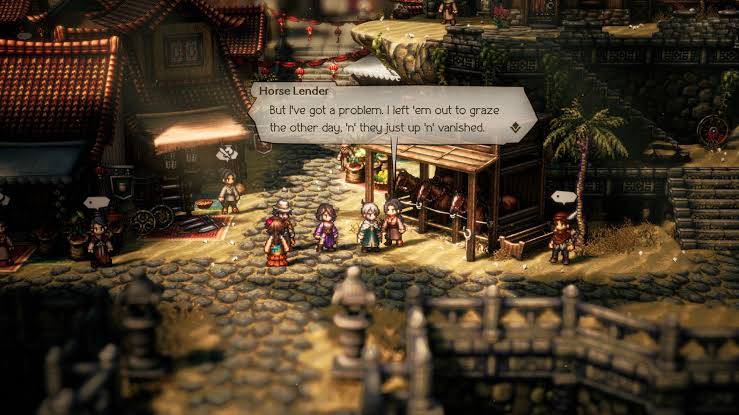
Octopath Traveler II is the visual showcase of this list. It places pixel characters inside environments enhanced by 3D depth, lighting, particles, reflections, and camera effects. The result remains connected to classic RPGs without pretending modern rendering technology does not exist.
The contrast between the small characters and the larger environments works especially well. Characters remain recognizable during battles, while towns, forests, deserts, coastlines, and ruins use lighting and depth to create a stronger sense of place.
The battle system gives the artwork a meaningful role. Enemies have weaknesses that can be exposed, and Boost Points can be saved to strengthen important actions. Clear animation and visual feedback make it easier to understand the effect of each decision.
The eight protagonists also give players several ways to enter the story. Each traveler has a different starting point, goal, and collection of abilities.
This structure has a tradeoff. Some stories are more compelling than others, and the separate introductions can make the larger adventure feel disconnected at first. It is best suited to players who enjoy turn-based systems and do not mind moving between several personal stories.
6. Sea of Stars – Best for Fans of Classic RPGs
Best for: Colorful worlds, active turn-based battles, and classic adventures
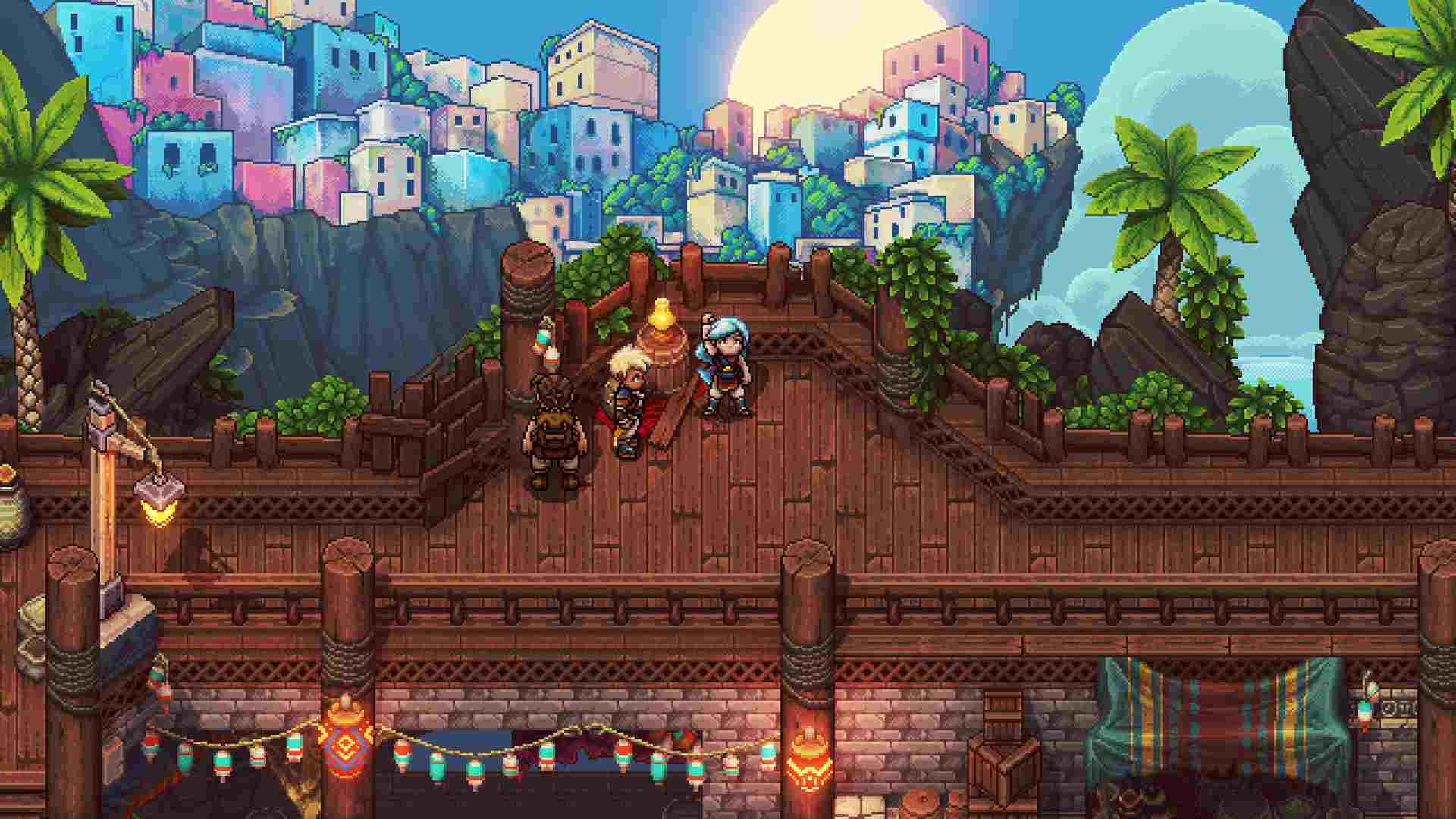
Sea of Stars is a strong choice for anyone who wants a colorful RPG without the heavier systems found in more technical role-playing games.
Its pixel art is filled with environmental movement. Water reflects the scenery, light changes the atmosphere of an area, and character animations give attacks more energy. These details make the world feel active without allowing visual effects to overwhelm the screen.
Combat includes timed inputs that can strengthen attacks or reduce incoming damage. This does not turn Sea of Stars into an action game, but it gives players something meaningful to do during familiar turn-based sequences.
Octopath Traveler II offers deeper party building and more character options. Sea of Stars is the better fit if you want a more direct adventure with a lighter rhythm and fewer systems to manage.
That simplicity is also its main limitation. Character growth and combat customization are not as deep as they are in more complex RPGs. Players who enjoy large skill trees or highly technical character builds may want more control.
You can compare it with other story-driven choices in SoonLab’s guide to the best RPG games to play in 2026.
7. Animal Well – Best for Puzzles and Hidden Secrets
Best for: Exploration, environmental puzzles, and quiet discovery
Animal Well is built for players who enjoy entering a room, noticing something unusual, and wondering whether it is decoration, a clue, or part of a much larger secret.
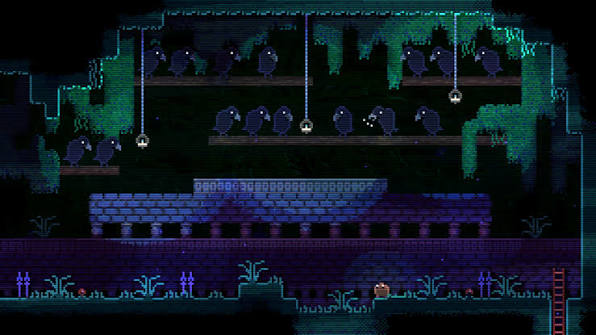
The world is a dense, interconnected labyrinth. Instead of filling it with conventional weapons, the game gives you unusual objects that can interact with animals and the environment in several ways.
Its pixel art feels richer than its basic resolution suggests. Layers of light, shadow, reflections, particles, and moving plants give rooms a dreamlike depth. Friendly and dangerous creatures can share the same visual language, keeping exploration slightly unsettling.
Animal Well is also an impressive production case. According to the official GDC overview of Billy Basso’s development session, the game was built from scratch over seven years and has a file size of approximately 33 MB.
The small size matters because it shows what strong art direction, carefully connected systems, and technical control can achieve without relying on large textures or photorealistic assets.
The lack of direct guidance is the main limitation. It makes discoveries feel earned, but it can also leave players unsure whether they missed a clue or reached an area too early.
8. Eastward – Best Detailed Pixel Art World
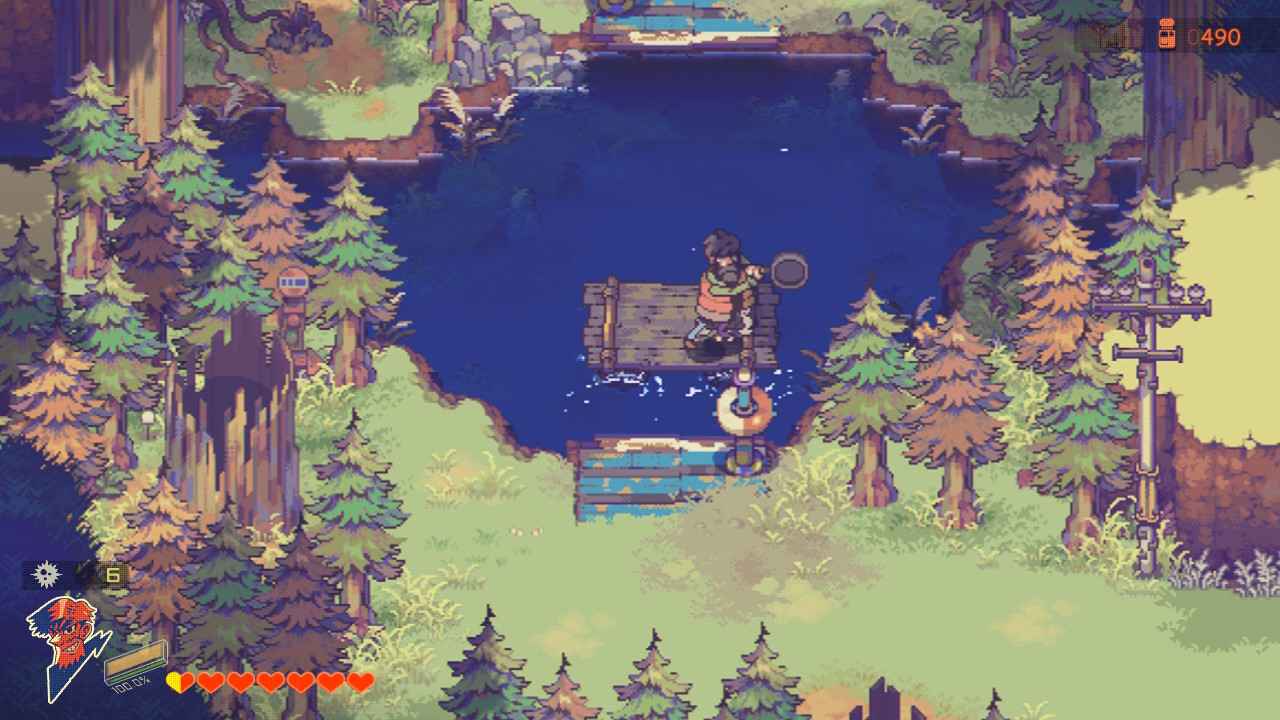
Best for: Rich environments, expressive characters, and slower adventures
Eastward stands out for environmental detail. Its shops, kitchens, stations, ruins, homes, and streets feel arranged with purpose. Small background animations keep locations active even when nothing important is happening.
Character animation is just as important. John and Sam communicate through movement and expression, while members of the supporting cast often become recognizable before their stories are fully explained.
This is a good choice if you want to spend time inside a carefully constructed pixel art world. It is less suitable if you are looking for constant combat.
Eastward frequently slows down for dialogue, jokes, cooking, travel, and character moments. These pauses help establish its world, but they can also delay the next puzzle or combat section just when the story appears ready to move forward.
The slow rhythm is therefore either part of the appeal or the game’s greatest weakness. Players who value atmosphere and character development will get more from it than players who want uninterrupted action.
9. Hyper Light Drifter – Best for Atmosphere
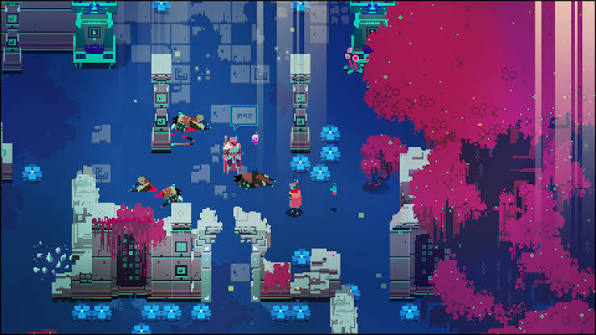
Best for: Visual storytelling, difficult combat, and mysterious worlds
Hyper Light Drifter creates one of the most recognizable atmospheres in modern pixel art. Its neon colors, broken technology, ruined landscapes, and sharp character silhouettes make the world feel beautiful and unwell at the same time.
The game avoids long explanations. Short visual scenes, environmental clues, and the condition of the main character carry much of the story. This preserves a sense of mystery that would be difficult to maintain with constant dialogue.
Combat is quick but deliberate. Dashing through attacks, switching between ranged and close-range weapons, and controlling your position matter more than collecting equipment with slightly larger numbers.
Choose Hyper Light Drifter if you want a focused action adventure that trusts you to interpret what you see. Its storytelling is less direct than Stardew Valley, Sea of Stars, or Undertale, but that ambiguity is a central part of the experience.
Players who want clear quests, extensive dialogue, and direct answers may find the story too distant. Difficult encounters can also punish anyone who tries to rush into a group without considering positioning.
10. Blasphemous 2 – Best Dark Pixel Art Game
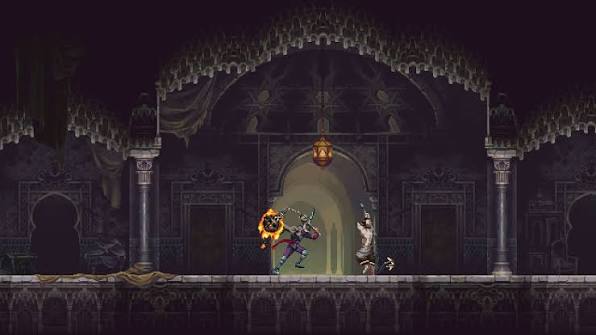
Best for: Gothic horror, exploration, and difficult action
Blasphemous 2 is the strongest dark pixel art game on this list. Its religious imagery, ruined architecture, violent animation, and unusual enemy designs make the world immediately recognizable.
The artwork is not dark simply because it uses blood or muted colors. Many creatures look like physical representations of guilt, punishment, worship, or suffering. This gives the visual design a clear relationship with the story and the world it inhabits.
Compared with the first game, Blasphemous 2 provides more movement options and weapon choices. Weapons affect combat and help open different routes through the map, making progression feel more flexible.
The environments frequently resemble damaged religious paintings brought to life through animation. Bosses appear physically heavy, while smaller creatures use exaggerated movement to make even ordinary encounters uncomfortable.
It will not suit everyone. Pixelated gore, religious imagery, and frequent violence are central to its identity. Boss fights and some platforming sections can also be unforgiving.
11. Vampire Survivors – Best for Short and Addictive Runs
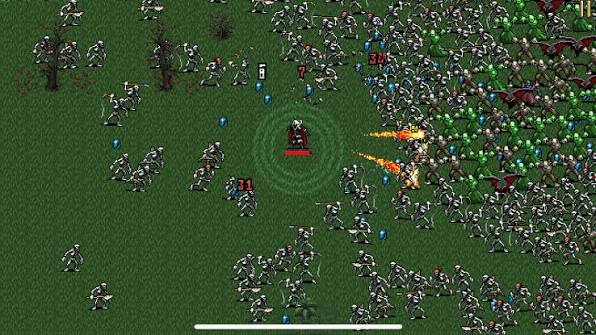
Best for: Simple controls, build combinations, and quick sessions
Vampire Survivors is the easiest recommendation for short play sessions. Movement is the main control, while weapons attack automatically. The important decisions involve positioning, selecting upgrades, and deciding which combinations are worth developing.
The basic sprites may look crude beside the detailed environments of Eastward or Sea of Stars, but they suit the scale of the action. Enemies must remain recognizable when hundreds of them are moving across the screen.
The game becomes increasingly satisfying as a weak character develops into a screen-filling source of damage. A small projectile may eventually cover a much larger area, trigger additional effects, or combine with another item to create an evolved weapon.
This visible growth makes each build easy to understand. You can feel how much the character has changed without opening a complicated statistics screen.
The weakness is equally visible. Later runs can become so crowded with enemies, numbers, items, and effects that it is difficult to understand exactly what is happening. That chaos is part of the appeal, but it will not suit players who want precise control over every attack.
12. Undertale – Best for Story and Player Choice
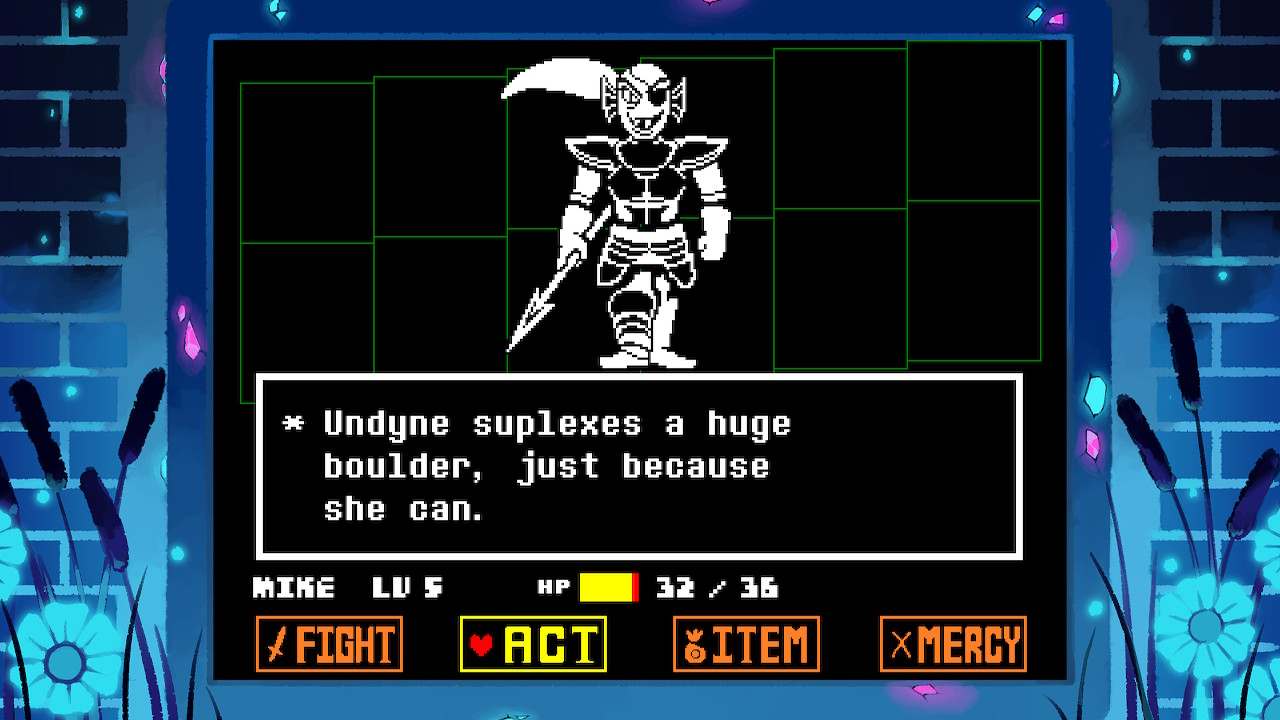
Best for: Unusual characters, humor, and meaningful decisions
Undertale achieves a great deal with relatively simple visual material. Its sprites are less detailed than those in most other games on this list, yet its characters are immediately recognizable through expressions, movement, dialogue, and timing.
The battle system changes the meaning of a familiar RPG encounter. Instead of treating every monster as an enemy that must be defeated, you can talk, act, show mercy, or search for another way through the situation.
The visual simplicity leaves more attention for personality and choice. A tiny change in a face or animation can make a scene funny, tense, or uncomfortable.
Undertale also remembers how important situations are handled. Those decisions can affect dialogue, relationships, and the direction of the story, giving apparently simple actions greater emotional weight.
Its humor and deliberately rough presentation will not work for everyone. Players looking for richly detailed environments or a traditionally serious fantasy story may struggle to understand its appeal at first.
What Other Pixel Art Players Value
Pixel art covers too many genres for one game to be the right recommendation for everyone. A Reddit discussion about favorite pixel art games illustrates how differently players judge them.
Some participants recommended Dead Cells for combat, Hyper Light Drifter for atmosphere, Celeste for platforming, Blasphemous for dark artwork, and Sea of Stars for its modern interpretation of a classic RPG style.
These are individual community opinions rather than an objective ranking, but they reveal a useful pattern: players rarely choose a pixel game for visual detail alone. They connect the art with the experience they want.
That makes genre the best place to start. Visual style may create the first attraction, but pacing, challenge, controls, and progression determine whether a game will actually suit you.
Which Pixel Art Game Should You Play First?
Start with Stardew Valley if you want one flexible game that supports farming, exploration, relationships, customization, and long-term progress. It is the safest overall recommendation because it does not depend on fast reactions or a love of difficult combat.
Choose Celeste for precise platforming, Dead Cells for fast combat, or Vampire Survivors for short repeatable runs. RPG fans should consider Sea of Stars or Octopath Traveler II, while players who enjoy puzzles and hidden details should try Animal Well.
If the artwork itself is your main priority, choose Eastward for environmental detail, Hyper Light Drifter for atmosphere, or Blasphemous 2 for a darker visual direction.
Terraria is the better starting point if you want freedom and exploration but do not mind learning through experimentation. Undertale is more suitable if characters, humor, and meaningful choices matter more than visual complexity.
Why Are Pixel Art Games Still Popular?
Nostalgia is part of the answer, but it is not the whole explanation. Modern pixel games are no longer limited by the hardware rules that shaped older console graphics.
Developers can combine pixel sprites with dynamic lighting, particles, shaders, 3D environments, modern audio, and smooth animation. Dead Cells and Octopath Traveler II use these possibilities in very different ways, yet both remain clearly recognizable as pixel art games.
Pixel art can also communicate characters and objects with relatively few visual elements. A face may contain only a few colors and shapes, but players can still recognize an emotion and imagine details that are not directly shown.
The style works across many genres. It can support the peaceful daily routines of Stardew Valley, the precision of Celeste, the violence of Blasphemous 2, or the crowded survival runs of Vampire Survivors.
Pixel art may suit small development teams, but professional results are not automatically easy to produce. Strong animation, consistent proportions, controlled colors, readable environments, effects, and interfaces still require time and skill.
GameMaker’s professional guide to creating pixel art for 2D games recommends beginning with clear silhouettes and maintaining consistent outlines and pixel placement. These basic decisions matter because a small number of pixels may need to communicate a face, weapon, obstacle, or movement direction.
Can You Make Your Own Pixel Art Game?
Yes. A complete commercial pixel game still requires planning, artwork, testing, and technical work, but the first playable version can be much smaller.
Begin with one character, one main action, one short level, one challenge, and one clear ending. That could be a platformer about escaping a collapsing tower, a three-room dungeon, or a survival game based on avoiding enemy waves for two minutes.
SoonLab’s AI 2D game maker can turn a written idea into a browser-playable first version. Describe the controls, goal, obstacles, visual style, scoring system, and win condition. You can then test the result and improve one part at a time.
Turn your idea into aplayable game
Describe the game you want to make, and SoonLab will help you start building it.
This approach works well for testing a mechanic or visual direction. A larger commercial project may still require a traditional engine, custom sprite work, and more direct control over animation and performance.
FAQs About Pixel Art Games
What Is the Best Pixel Art Game?
Stardew Valley is the best overall pixel art game for most players because it combines a clear visual style with farming, exploration, relationships, customization, and long-term progression. Celeste is better for platforming, Dead Cells for action, and Animal Well for puzzles and secrets.
What Games Have the Best Pixel Art?
Octopath Traveler II, Eastward, Sea of Stars, Animal Well, Blasphemous 2, and Hyper Light Drifter are among the strongest choices when visual design is the priority. They demonstrate different approaches, including HD-2D environments, detailed animation, dramatic lighting, limited color palettes, and atmospheric visual storytelling.
Are Pixel Art Games Easier to Make?
Basic pixel art can be easier to begin than detailed 3D modeling, but a professional pixel game is not automatically easy to create. Animation, tilesets, consistent proportions, readable environments, effects, and interface design still require considerable work.
What Is the Difference Between Pixel Art and 8-Bit Graphics?
Pixel art is a visual method in which individual pixels are deliberately controlled as part of the artwork. The term 8-bit originally referred to older hardware and its technical limits. A modern pixel art game can use far more colors, effects, animation frames, and processing power than an original 8-bit game.
Are All Pixel Art Games 2D?
No. Many pixel art games use 2D sprites, but developers can place those sprites inside 3D environments or generate pixel-style animation from 3D models. Octopath Traveler II and Dead Cells demonstrate these two approaches.
What Is a Good Pixel Art Game for Beginners?
Stardew Valley is a good starting point if you want a relaxed game with several activities. Vampire Survivors has simpler controls and works well for short sessions. Celeste is easy to understand but difficult to master, while Terraria provides more freedom but less initial guidance.
Can I Make a Pixel Art Game Without Coding?
Yes. AI game makers such as SoonLab can help you build a simple pixel-style prototype without writing code. You still need to define the controls, player actions, goal, obstacles, scoring, difficulty, and ending. A more complex commercial project may eventually require programming or a traditional game engine.
Final Thoughts
The best pixel art game depends on the experience you want. Stardew Valley is the strongest all-around choice, while Celeste delivers precise platforming, Dead Cells offers fast combat, Animal Well rewards curiosity, and Octopath Traveler II brings classic pixel characters into a modern HD-2D world.
Start with the genre you already enjoy. Great pixel art may catch your attention, but the mechanics, atmosphere, and characters are what turn a beautiful game into one you want to keep playing.
If these games inspire an idea of your own, create a pixel art game with SoonLab. Describe the world, characters, controls, and main challenge, then turn your idea into a playable browser game without starting with code.