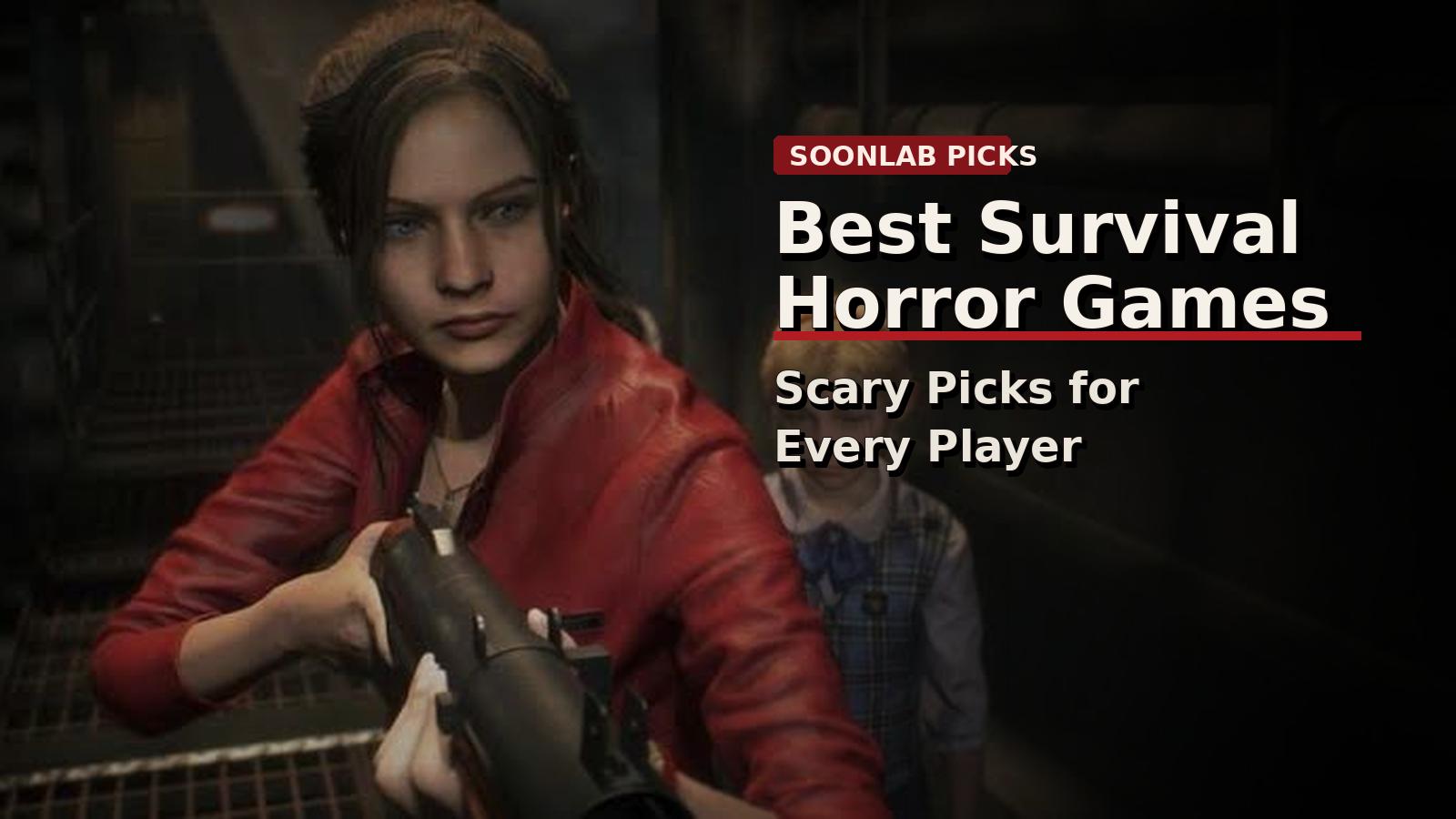
The best survival horror games do more than place a monster in a dark room. They make every door, bullet, hiding place, and wrong turn feel important. My first recommendation is Resident Evil 2 if you want the strongest all-round introduction. Choose Silent Hill 2 for psychological horror, Alien: Isolation for pursuit, or Amnesia: The Bunker for a game built around difficult survival decisions.
As a game developer, I look for the system behind the fear. A loud scare can work once. Limited resources, uncertain information, and an enemy that changes your plan can keep working for an entire game. This list covers classic third-person survival horror, first-person horror, indie games, open worlds, and a few co-op choices. If one of these ideas makes you want to build something, SoonLab's survival game maker can help you turn a small concept into a playable browser prototype.
Best Survival Horror Games at a Glance
| Game | Best for | What creates the pressure |
|---|---|---|
| Resident Evil 2 | Best overall | Scarce ammunition and a connected map |
| Silent Hill 2 | Psychological horror | Meaning, uncertainty, and oppressive atmosphere |
| Alien: Isolation | Being hunted | An adaptive enemy and limited safe space |
| Dead Space | Action survival horror | Enemy dismemberment and resource pressure |
| Amnesia: The Bunker | System-driven fear | Fuel, noise, darkness, and one persistent threat |
| Alan Wake 2 | Narrative horror | Unstable reality and investigative storytelling |
| Resident Evil 7 | First-person horror | Close spaces and an early feeling of helplessness |
| Signalis | Indie psychological horror | A tight inventory and fragmented story |
| Darkwood | Top-down survival | Limited vision and dangerous nights |
| Crow Country | Newcomers to classic horror | Puzzles and retro map design with modern controls |
| Dredge | Survival horror RPG fans | Time, inventory space, and rising panic |
| Sons of the Forest | Open-world co-op | Preparation, caves, and changing enemy pressure |
| Project Zomboid | Zombie survival simulation | Long-term needs and permanent consequences |
| Silent Hill f | A newer psychological story | Beauty, body horror, puzzles, and resource choices |
| REANIMAL | Two-player cinematic horror | Shared movement through a hostile world |
The 15 Best Survival Horror Games I Recommend
1. Resident Evil 2 - Best Survival Horror Game Overall
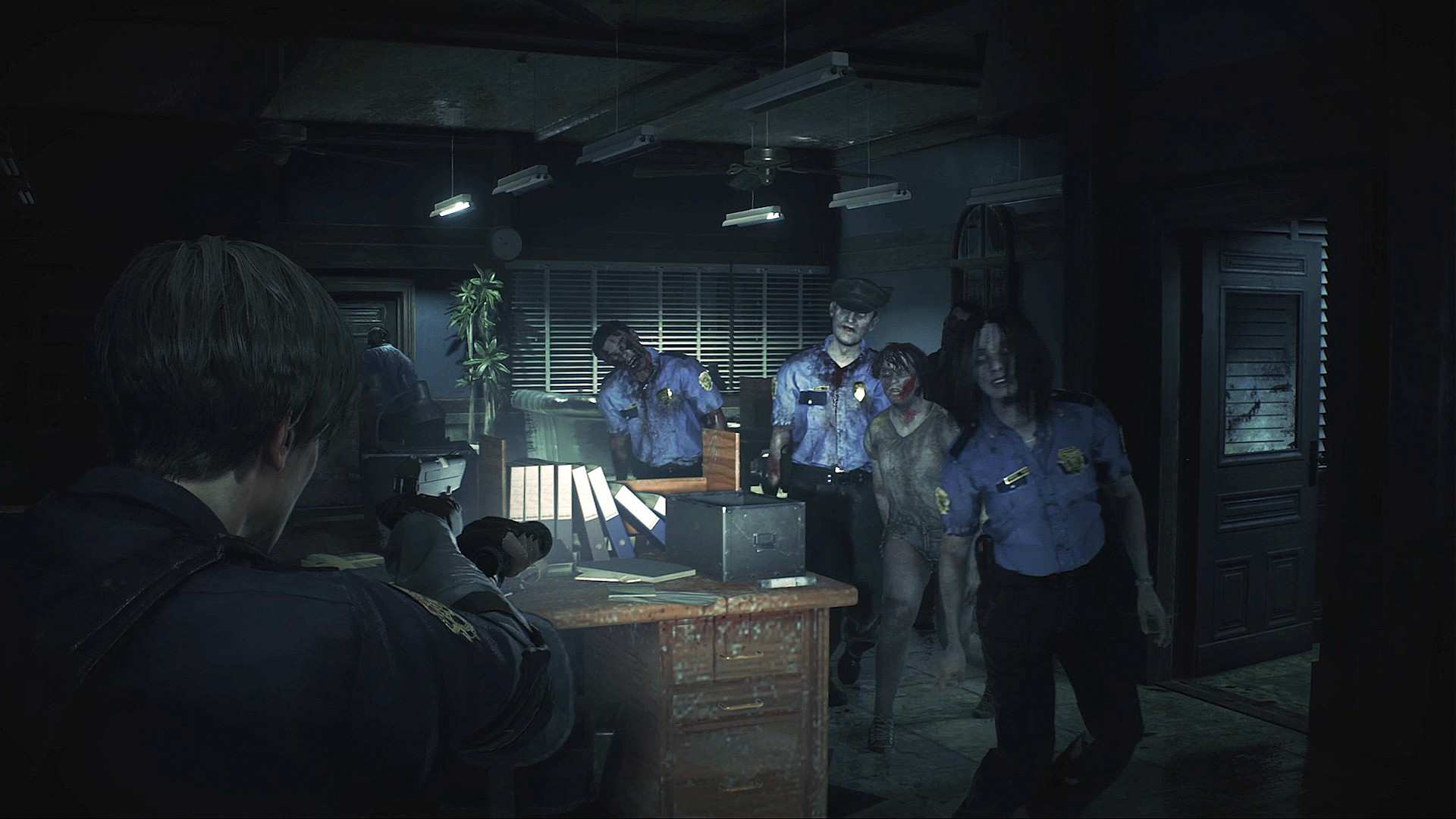
Best for: Players who want the clearest introduction to the genre.
Resident Evil 2 is my safest recommendation because its major systems support one another. The police station is a puzzle box. A new key opens one route but may leave you exposed on another. Ammunition helps, yet spending too much can make the next encounter harder. Mr. X then turns a familiar hallway into a fresh problem simply by entering it.
The game gives you enough power to make decisions without letting you feel comfortable. That balance is why it works for both newcomers and experienced players. The main limitation is that repeated runs reduce some of the uncertainty. Once you know the map and item locations, planning begins to replace fear.
2. Silent Hill 2 - Best Psychological Survival Horror Game
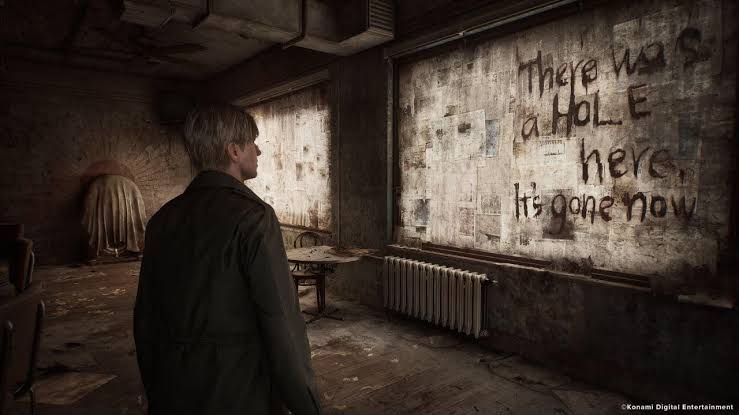
Best for: Players who want dread, symbolism, and a story that stays with them.
Silent Hill 2 makes fear feel personal. Its creatures, spaces, and puzzles are tied to guilt and memory, so the horror is not separate from the story. I recommend the remake to players who prefer modern controls and presentation, while the original remains important for its quieter pacing and strange restraint.
This is not the best choice if you want constant combat or a deep crafting system. Its strength is slower and more psychological. The game asks you to sit with uncomfortable ideas instead of giving every threat a simple explanation.
3. Alien: Isolation - Best Game About Being Hunted
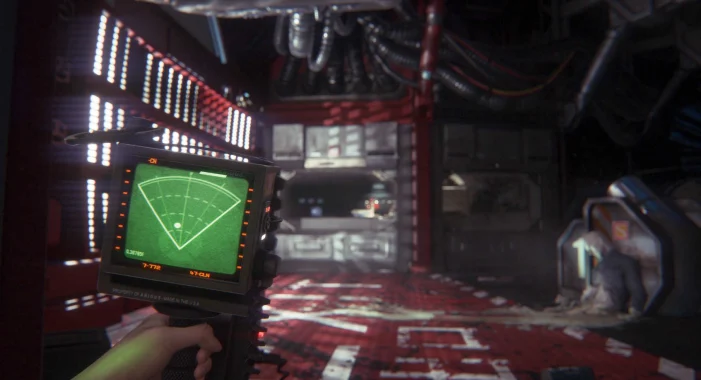
Best for: Players who want stealth, long tension, and an enemy they cannot easily control.
Alien: Isolation understands that a threat becomes frightening when it interrupts a plan. You may know where you need to go, but the alien can force you under a desk, into a locker, or back down the corridor. Tools create options rather than safety, and using them can expose your position.
I recommend it for patient players who enjoy reading sound and space. Its weakness is length. The sustained pressure can become tiring, and some later encounters feel less sharp than the first half. Still, few first-person survival horror games make listening this important.
4. Dead Space - Best Action Survival Horror Game
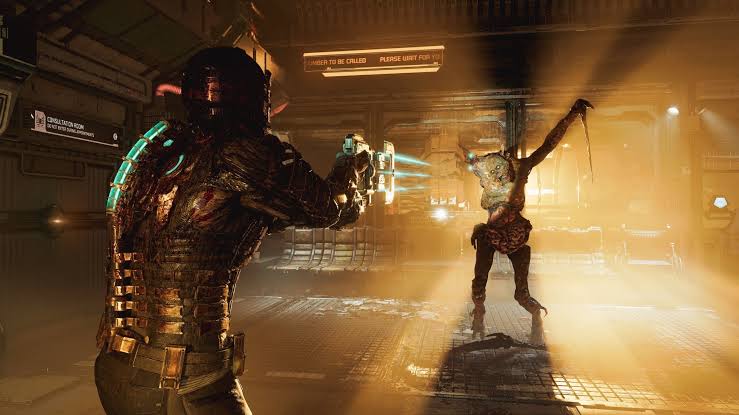
Best for: Players who want stronger combat without losing resource pressure.
Dead Space makes shooting a tactical act. Necromorphs are not solved by aiming at the center of the body; you must read their movement and remove the right limbs. That small rule gives each weapon a job and keeps combat from feeling like a normal shooter.
The remake is the easiest version to recommend today because the connected Ishimura improves exploration and backtracking. It is more action-heavy than Silent Hill 2 or Amnesia, so players who want complete helplessness may find Isaac too capable. Choose it when you want fear and satisfying combat in the same game.
5. Amnesia: The Bunker - Best System-Driven Survival Horror
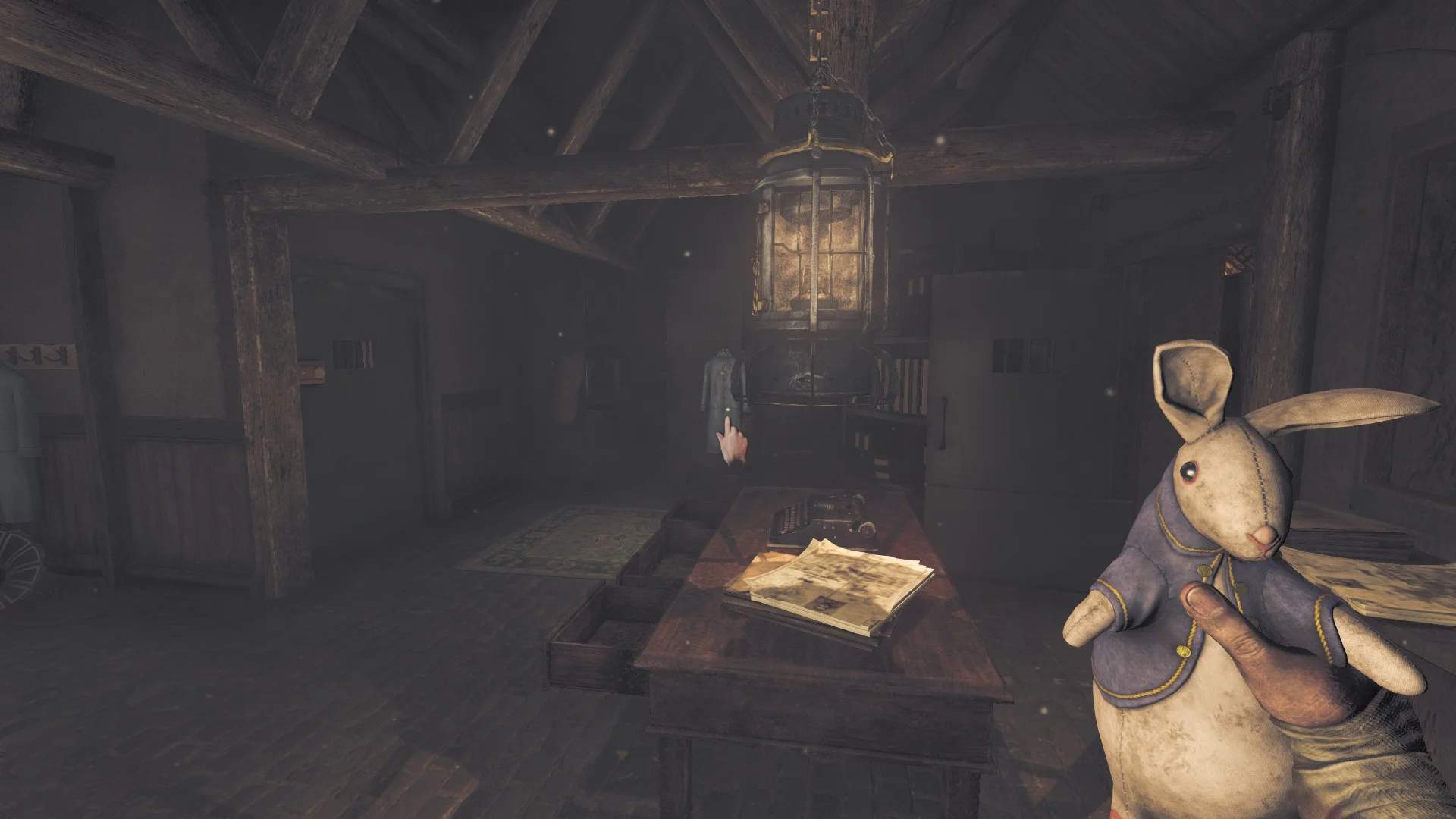
Best for: Players who want freedom, improvisation, and a persistent threat.
Amnesia: The Bunker turns ordinary actions into risk. The generator needs fuel. Light makes exploration easier. Noise can draw the creature. Saving resources for later sounds sensible until the darkness makes the current route impossible. This is survival horror design at its most focused.
A useful video analysis of resource management in survival horror explains why scarcity creates tension instead of merely making a game harder. The Bunker is a strong example because one fuel can, bullet, or distraction changes what the player is willing to attempt. The tradeoff is repetition: players who dislike retrying spaces after failure may find its open structure stressful rather than exciting.
6. Alan Wake 2 - Best Story-Led Survival Horror
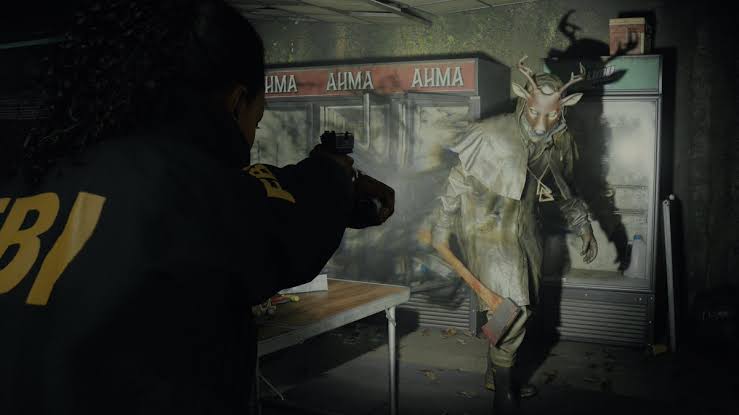
Best for: Players who want mystery, cinematic presentation, and unusual narrative structure.
Alan Wake 2 moves between investigation, psychological horror, and survival combat. Light is both a theme and a tool. The case board and story spaces ask the player to assemble meaning, while the combat keeps ammunition and healing relevant.
I recommend it for readers who care as much about how a story is told as what happens next. It is less direct than Resident Evil 2, and its slower investigative sections will not suit everyone. It also leans closer to an action-adventure game in places, but its vulnerable combat and resource economy keep it connected to survival horror.
7. Resident Evil 7: Biohazard - Best First-Person Entry Point
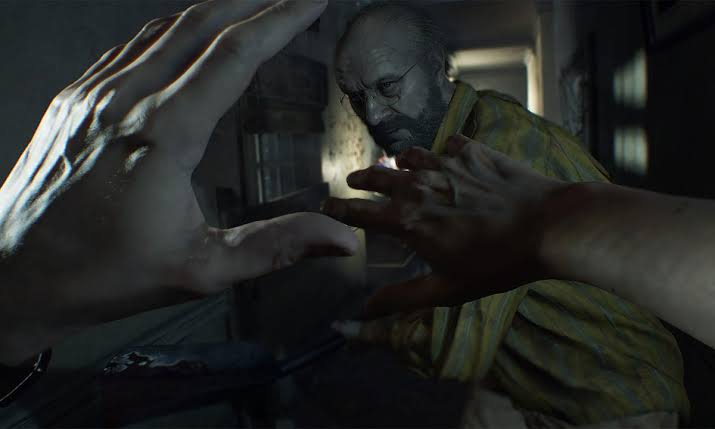
Best for: Players who want intimate spaces and a hard shift from helplessness to resistance.
Resident Evil 7 brings the series into first person without losing its core structure. The Baker house is compact, locked, and full of routes that become meaningful over time. Early pursuit creates vulnerability; later weapons let you push back, but ammunition still matters.
The opening hours are the strongest because the house feels unknown and the family can enter your space at any time. The final stretch becomes more combat-heavy and less frightening. Even so, it is one of the best survival horror games for players who want modern first-person controls with classic keys, puzzles, and inventory choices.
8. Signalis - Best Indie Survival Horror Game
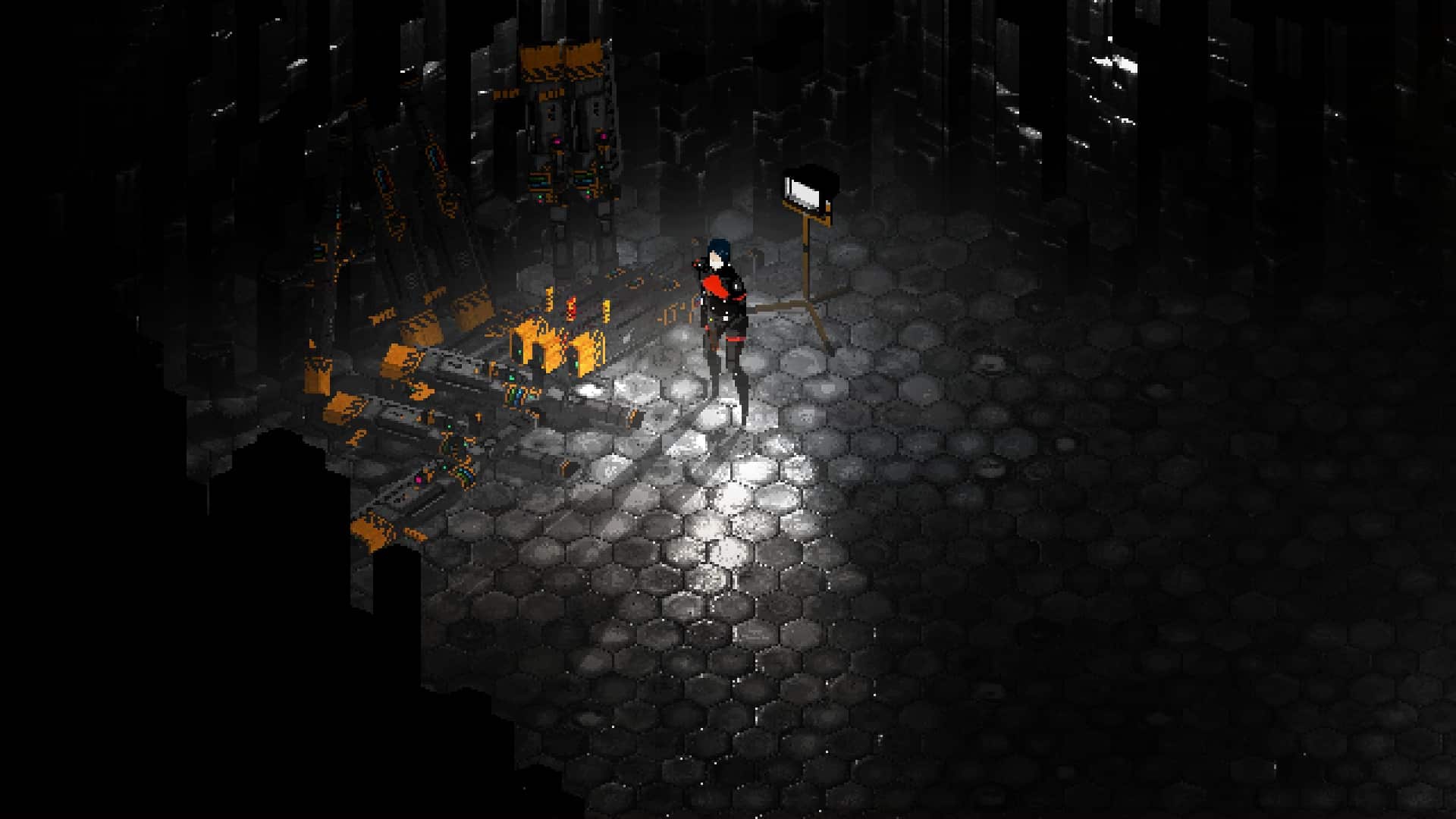
Best for: Players who want retro systems, science fiction, and an emotional mystery.
Signalis uses a small inventory to create large decisions. Carrying a puzzle item may mean leaving ammunition or healing behind. Returning through a room can be dangerous, yet trying to prepare for every possibility is impossible. The restriction supports both the play and the story's obsession with memory and repetition.
I recommend it to players who miss classic fixed-view survival horror but want a world with its own identity. Its fragmented storytelling asks for attention and will frustrate anyone who wants a clean explanation. For more games where a focused idea matters more than production scale, see SoonLab's guide to the best indie horror games.
9. Darkwood - Best Top-Down Survival Horror Game
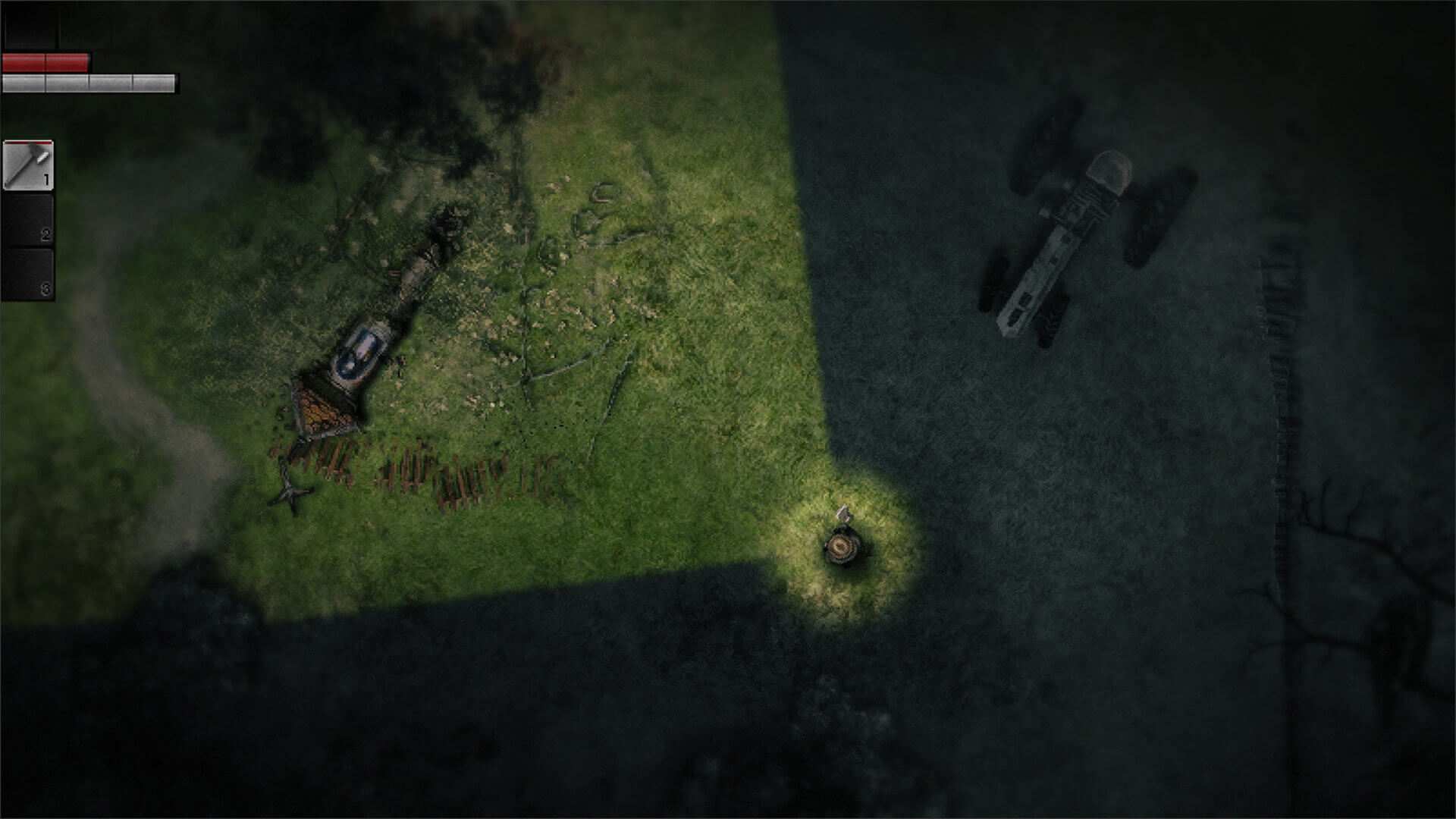
Best for: Players who want preparation, exploration, and fear without scripted jump scares.
Darkwood proves that a top-down camera does not remove fear. Your character only sees clearly inside a narrow cone. During the day, you search for materials and information. At night, you return to a hideout, block openings, prepare traps, and wait for something to test your work.
The day-and-night loop is effective because safety is never free. Every board used on a window and every item left behind has a cost. Darkwood can be obscure, and its early hours are unforgiving. I recommend it to players who enjoy learning through observation rather than following markers.
10. Crow Country - Best Introduction to Retro Survival Horror
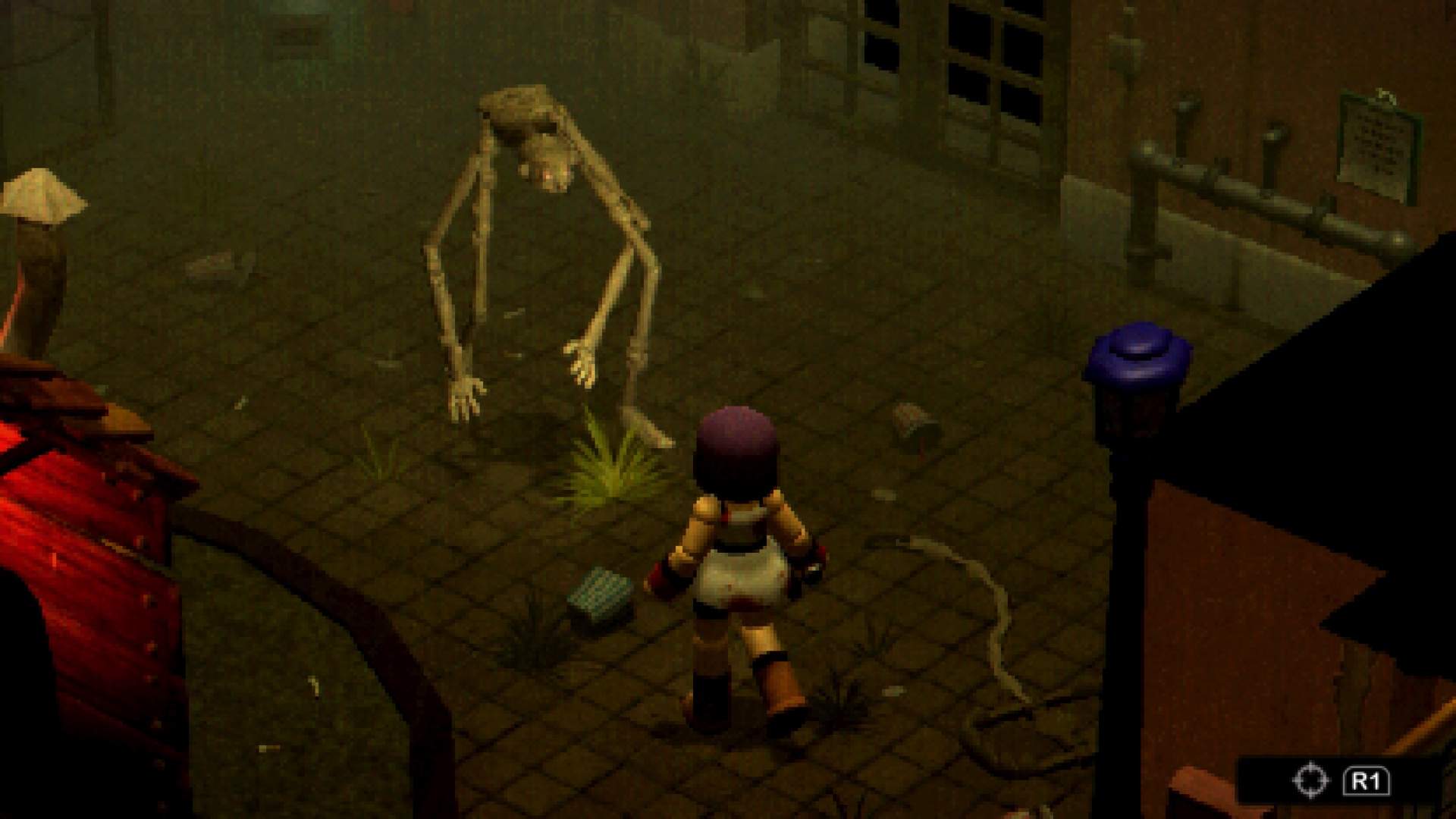
Best for: New players curious about classic puzzles and compact exploration.
Crow Country borrows the shape of early Resident Evil and Silent Hill games but removes much of their control friction. Its abandoned theme park is easy to read, full of small puzzles, and strange enough to keep exploration interesting. The result feels retro without demanding that a newcomer fight an old control scheme.
It is not the most frightening game here, and experienced genre fans may find its combat forgiving. That makes it a good starting point. If fixed cameras, keys, and backtracking sound interesting but intimidating, begin here before moving to harder classics.
11. Dredge - Best Survival Horror RPG for Uneasy Exploration
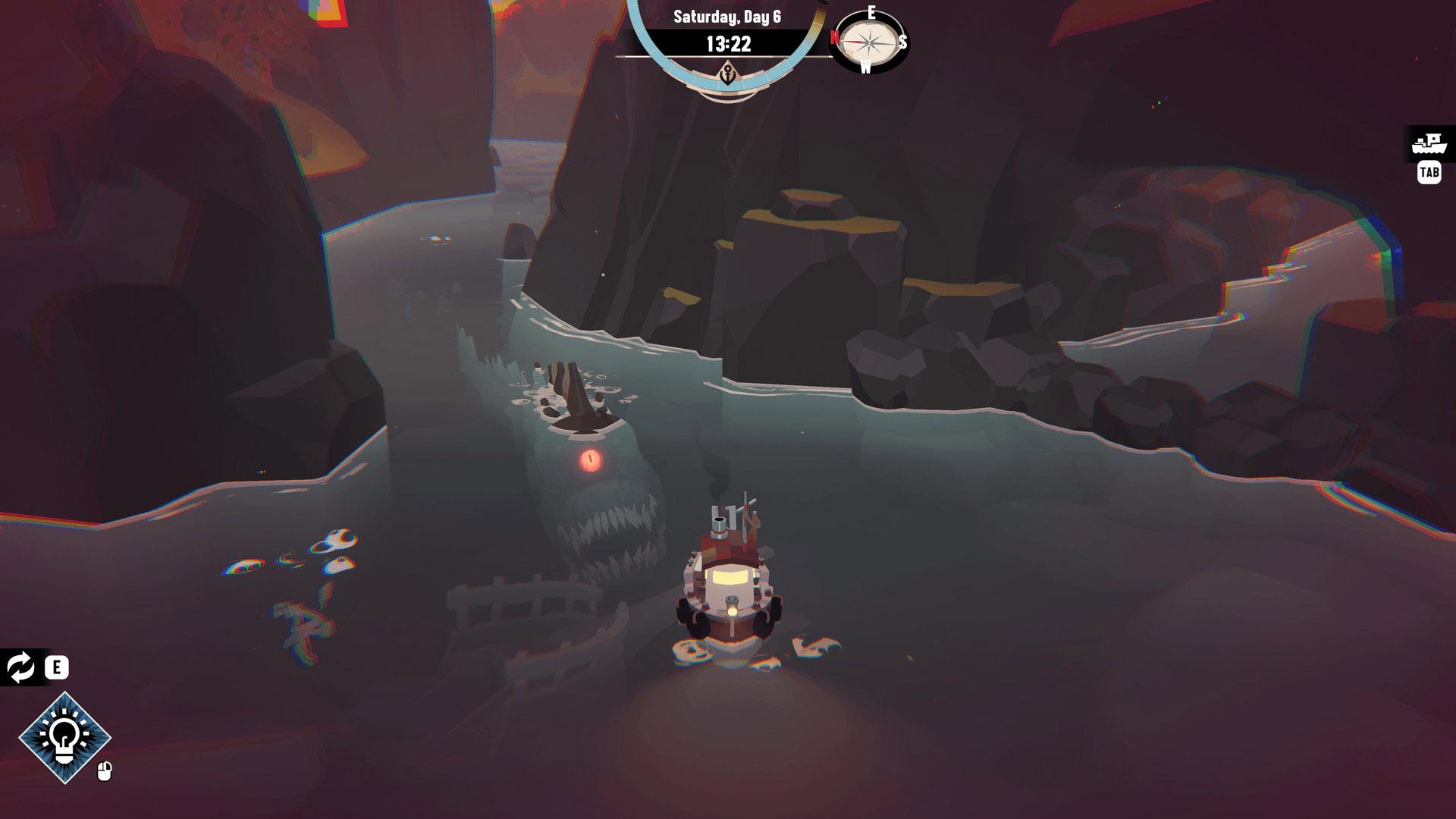
Best for: Players who want a slower loop built around travel, upgrades, and risk.
Dredge begins with a simple job: catch fish, sell them, and improve the boat. Horror enters through the same systems. Time moves as you act. Staying out late raises panic. Limited cargo space forces you to choose between a valuable catch, repair material, and the item needed for a quest.
I recommend Dredge when conventional chase horror feels exhausting. It creates unease through distance, weather, and the temptation to make one more stop before dark. Players looking for complex combat will not find it here. Its pressure comes from planning and curiosity.
12. Sons of the Forest - Best Open-World Survival Horror Game
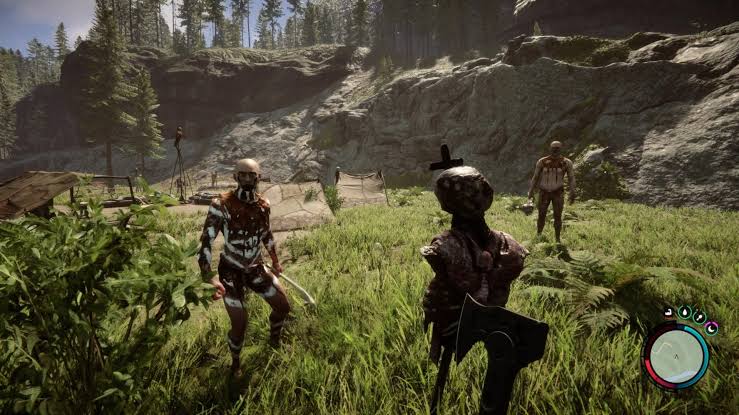
Best for: Players who want crafting, building, exploration, and optional co-op.
Sons of the Forest gives horror room to breathe. Daylight lets you gather food, build shelter, and choose a direction. Caves remove that comfort. Space narrows, supplies become harder to replace, and the route home feels much farther away.
It is one of the strongest open-world survival horror games for friends, but company changes the mood. A large group can make the island funny or efficient instead of frightening. Players in a Reddit discussion about genuinely scary co-op games repeatedly noted the same tension: playing together is fun, but being alone is often part of what makes horror work. If group play matters most, compare it with SoonLab's broader list of co-op horror games.
13. Project Zomboid - Best Zombie Survival Horror Simulation
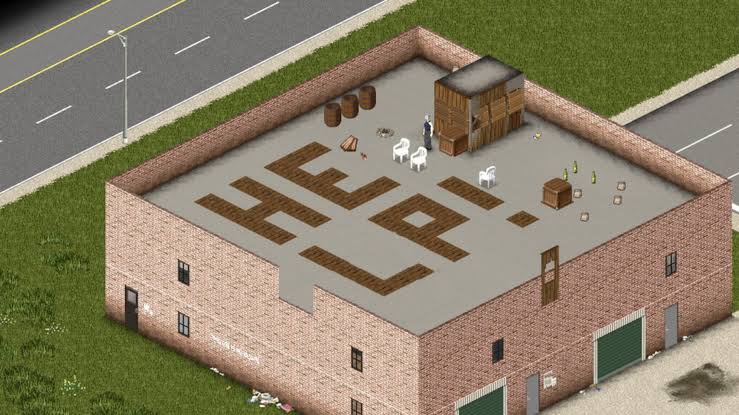
Best for: Players who want a long, detailed survival story shaped by their choices.
Project Zomboid creates fear through consequence. Hunger, fatigue, injury, noise, weather, and storage all matter. A routine supply trip can become a disaster because one window was not checked or one bag was too heavy. The zombies are dangerous, but overconfidence is often the real enemy.
This is closer to a survival simulation than a directed horror campaign. The interface and learning curve are demanding, and there is no tightly paced story pushing you forward. I recommend it when you want systems to create the narrative and you are comfortable with failure being permanent.
14. Silent Hill f - Best Newer Psychological Survival Horror
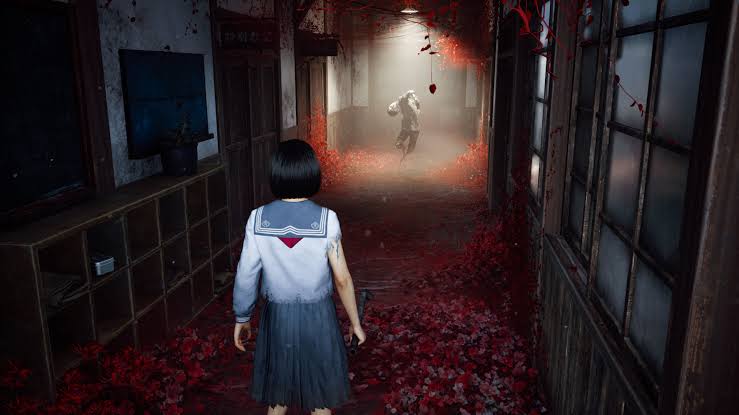
Best for: Players who want psychological horror in a setting far removed from the usual Western town or spaceship.
Silent Hill f moves the series to rural 1960s Japan and builds its identity around beauty becoming grotesque. Exploration, puzzles, combat, and resource choices keep it connected to survival horror, while the story carries the greater weight.
I recommend it to players who want a newer survival horror game with a distinct cultural setting and strong visual direction. Combat has a larger role than some fans may expect, so it is not simply another version of Silent Hill 2. Approach it as its own psychological horror story.
15. REANIMAL - Best Two-Player Cinematic Survival Horror
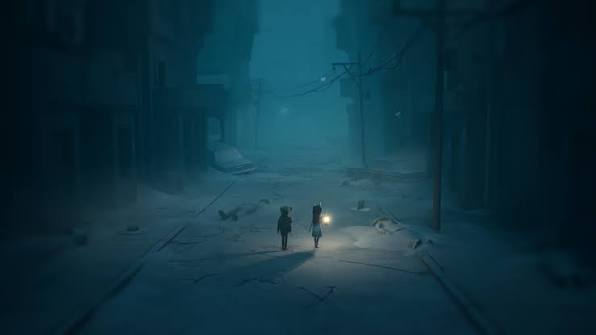
Best for: Two players who want a focused story rather than an open-ended multiplayer loop.
REANIMAL keeps a brother and sister inside the same hostile world. Shared movement, puzzles, and danger give cooperation a purpose beyond extra firepower. That makes it a better fit for a pair than for a large group that wants repeatable matches.
The main appeal is atmosphere and visual storytelling, not a complex inventory or deep combat model. I recommend it for a short, directed co-op journey. Choose Sons of the Forest or Project Zomboid instead if you want a world that can support a much longer campaign.
How to Choose the Right Survival Horror Game
The word “best” changes with the kind of pressure you enjoy. I use these four questions to narrow the choice.
- Question 1: Do you want to fight or avoid danger? Choose Dead Space for tactical combat, Resident Evil 2 for a balance, or Alien: Isolation when escape matters more than victory.
- Question 2: Do you want a directed story or an open system? Silent Hill 2 and Alan Wake 2 guide the experience. Project Zomboid and Sons of the Forest let your decisions create it.
- Question 3: What kind of fear works on you? Try Amnesia: The Bunker for constant pressure, Signalis for mystery, Darkwood for uncertainty, or Dredge for slow unease.
- Question 4: Are you playing alone? Solo play protects isolation. Co-op adds communication and shared mistakes, but it often makes fear easier to manage.
If you are still unsure whether survival horror, action horror, psychological horror, or a survival sandbox fits you, SoonLab's guide to video game genres explains how mechanics and player goals separate nearby categories.
What These Survival Games Can Teach a Horror Game Creator
The strongest survival horror games on this list do not use fear as decoration. They connect it to a rule. Resident Evil 2 limits what you can carry. Amnesia: The Bunker connects light to fuel and noise. Darkwood turns preparation into a nightly test. Dredge makes time pass when the player acts.
If I were building a small survival horror prototype, I would start with one task, one resource, and one threat. For example: repair three generators, manage a flashlight battery, and avoid a creature that follows sound. That is enough to test whether the loop creates tension.
SoonLab's horror game maker is useful for turning that rule into a playable browser game through a prompt. You can test the objective, enemy speed, warning cues, and difficulty, then request changes in normal language. It is a fast way to explore an idea, not a complete replacement for Unity, Unreal Engine, or another production engine.
For a practical starting process, use the guide to making a horror game. If coding is the main barrier, the guide to creating a game without coding explains how to move from a simple idea to a version other people can play.
How to Make a Survival Horror Game with AI?
You do not need to design a large world before you know whether your idea is scary. In SoonLab, you can describe a small survival horror scenario to the Agent and turn it into a playable browser game. The useful part is speed: you can test the main rule first, then improve the game through conversation.
STEP 1 Describe Your Survival Horror Idea
Start with one goal, one limited resource, and one threat. For example: “Create a survival horror game where the player finds three fuses, saves flashlight power, and avoids a creature that follows sound.”
Turn your idea into aplayable game
Describe the game you want to make, and SoonLab will help you start building it.
STEP 2 Generate and Play the Game
SoonLab’s Agent turns your idea into a playable browser game. Play the first version and check the goal, enemy, controls, resources, and level of tension.
STEP 3 Edit, Test, and Share
Tell the Agent what to change in simple language. Adjust the enemy speed, item supply, warning sounds, or difficulty. Play again, then publish or share the finished game.
SoonLab works best here as a fast survival horror game creator for ideas and prototypes. It helps beginners make a playable game without building every system from scratch, while experienced developers can use it to test a mechanic before committing to a larger production in Unity, Unreal Engine, or another engine. Start building a survival horror game with SoonLab when you have one rule you want to test.
FAQs About Survival Horror Games
What is the best survival horror game?
Resident Evil 2 is the best starting point for most players. It combines exploration, puzzles, limited resources, combat, and pursuit without pushing any one system too far. Choose Silent Hill 2 instead if psychological storytelling matters more than combat.
What makes a game survival horror?
A survival horror game makes the player feel vulnerable through limited resources, restricted information, dangerous exploration, or enemies that cannot always be defeated directly. Combat may be present, but it should not remove the pressure behind every encounter.
What is the difference between a horror game and a survival horror game?
Horror describes the theme and emotional goal. Survival horror also describes how the player interacts with danger. It usually adds resource management, exploration, puzzles, inventory limits, avoidance, or costly combat.
What is the easiest survival horror game for beginners?
Crow Country is a friendly introduction to classic survival horror structure. Resident Evil 2 is the better next step if you want a larger map, more danger, and deeper resource decisions.
What are the best psychological survival horror games?
Start with Silent Hill 2 and Signalis. Silent Hill 2 focuses on guilt and personal meaning, while Signalis combines psychological storytelling with a stricter inventory and classic survival systems. Silent Hill f is a newer option with a different setting and stronger combat focus.
Are there open-world survival horror games?
Yes. Sons of the Forest combines an open island with crafting, base building, caves, and hostile creatures. Project Zomboid offers a deeper zombie simulation, while Dredge provides a smaller open-world structure built around travel and time.
What are the best multiplayer survival horror games?
Sons of the Forest is a strong choice for open-world co-op, and REANIMAL works well for two players who want a directed story. Project Zomboid suits groups that want a longer survival simulation. Remember that more players often make horror less isolating.
What are the best survival horror games on PC and Steam?
Resident Evil 2, Silent Hill 2, Alien: Isolation, Dead Space, Amnesia: The Bunker, Signalis, Darkwood, Dredge, Sons of the Forest, and Project Zomboid are all strong PC choices. Check the current store listing and system requirements before buying.
Can I make a survival horror game without coding?
Yes, especially if your goal is a small prototype. A prompt-based tool like SoonLab can help you create and test a simple objective, resource, enemy, and win condition. Larger commercial projects usually need a traditional development workflow for deeper systems, custom assets, performance work, and platform release.
Final Recommendation
Start with Resident Evil 2 if you want one game that explains why survival horror works. Move to Silent Hill 2 for psychological weight, Alien: Isolation for pursuit, or Amnesia: The Bunker for systems that keep changing your plan. Choose Sons of the Forest when you want to share the danger with friends.
The best survival horror games make fear part of a decision. They ask whether you should open the next door, spend the last resource, or risk one more trip before returning to safety. That is the feeling worth looking for-and the right place to begin if you want to create a survival horror game of your own.