
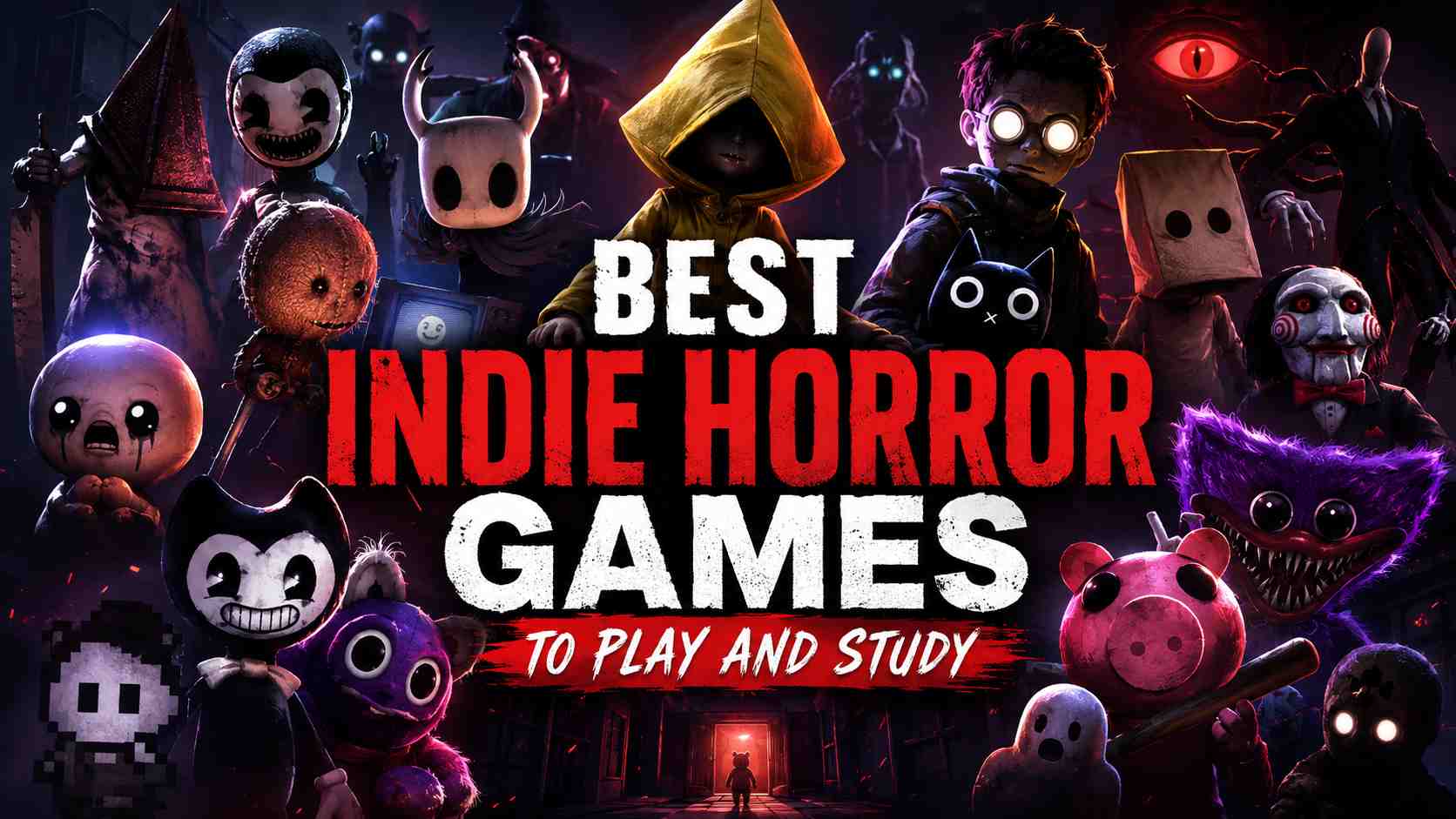
The best indie horror games do not scare players because they have the biggest budgets. They scare players because they understand tension, uncertainty, sound, vulnerability, and the fear of not knowing what comes next.
This guide is for two kinds of readers: players looking for horror games worth playing, and creators who want to understand why these games work. Instead of only listing scary titles, we will treat each game as a small design case study.
Great indie horror uses atmosphere, sound, limited information, player vulnerability, and simple but memorable mechanics to create fear without needing huge production scale.
Quick Comparison of the Best Indie Horror Games
| Game | Horror Style | Why It Is Scary | Creator Takeaway |
|---|---|---|---|
| Amnesia: The Dark Descent | First-person survival horror | The player feels vulnerable and unable to fight back easily. | Remove easy power when fear depends on weakness. |
| SOMA | Psychological horror | The horror comes from identity, memory, and what survival really means. | Let the truth become scarier than the monster. |
| Darkwood | Top-down survival horror | Limited vision, scarce resources, and night pressure make every choice tense. | Use preparation to reduce fear, not erase it. |
| Iron Lung | Claustrophobic experimental horror | The player navigates danger mostly through instruments instead of direct sight. | Limited information can be stronger than visible monsters. |
| Signalis | Survival horror / psychological horror | Scarcity, puzzles, memory, and fragmented storytelling create pressure. | Make mechanics and theme support the same emotional weight. |
| FAITH: The Unholy Trinity | Pixel horror | Simple visuals leave space for imagination, while sound and timing create shock. | Low-detail art can become a horror strength. |
| The Mortuary Assistant | Supernatural workplace horror | A normal routine becomes unsafe through repeated interruptions. | Corrupt a familiar task to make fear feel personal. |
| Inscryption | Card horror / escape-room mystery | Clear rules slowly become strange, threatening, and unstable. | A simple system can become scary when it hides deeper rules. |
| Mouthwashing | Narrative psychological horror | Social breakdown, guilt, confinement, and unreliable perspective create dread. | Horror can come from people, not only monsters. |
| Buckshot Roulette | Tabletop horror / strategy horror | A tiny decision loop turns chance, risk, and consequence into tension. | One strong rule can carry a whole horror game. |
This list focuses on horror impact, design originality, player recognition, and creator learning value. Some games may vary in scale, publishing background, or how strictly people define "indie," but they are widely discussed in horror communities because they offer useful design lessons.
If you are mainly looking for quick seasonal horror experiences, you may also enjoy these free online Halloween games.
What Makes Indie Horror Games So Effective?
Indie horror games often work because they focus on one strong fear instead of trying to be large. A small team may not have the budget for huge cinematic set pieces, but horror does not always need scale. It needs control over what the player sees, hears, understands, and fears.
A locked door, a flickering hallway, a strange sound, or a small room can be more frightening than a giant monster if the player feels uncertain. The strongest scary games often make players ask questions before anything attacks: What was that sound? Is the room safe? Did something change? Am I being watched?
Great indie horror does not need the biggest budget. It needs a clear way to make the player feel uncertain, vulnerable, or trapped.
For creators, this is the most important lesson. Horror is not only about adding monsters or jump scares. Horror is a design relationship between information, control, consequence, and pacing.
Best Indie Horror Games to Play and Study
The following games are selected because they are not only scary, but also useful to study. Each entry explains why the game is worth playing, what makes it scary, and what indie game creators can learn from it.
1. Amnesia: The Dark Descent
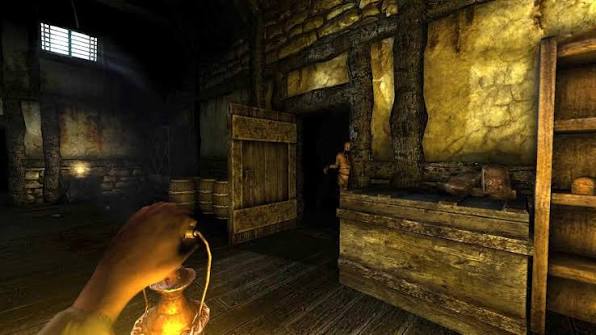
Why it is worth playing: Amnesia: The Dark Descent remains one of the most important survival horror games to study because it makes vulnerability central to the experience. The player is not treated like an action hero. Instead, hiding, listening, waiting, and managing fear become part of the gameplay.
What makes it scary: The game uses darkness, sound cues, limited defense, and psychological pressure to make the player feel exposed. The fear does not come only from seeing a monster. It comes from knowing that the player is not fully prepared to face what may appear.
Creator takeaway: If the player can easily fight every threat, fear becomes weaker. For horror, removing power can be more effective than adding more weapons. A creator can build tension by making survival depend on awareness, timing, and escape instead of combat.
2. SOMA
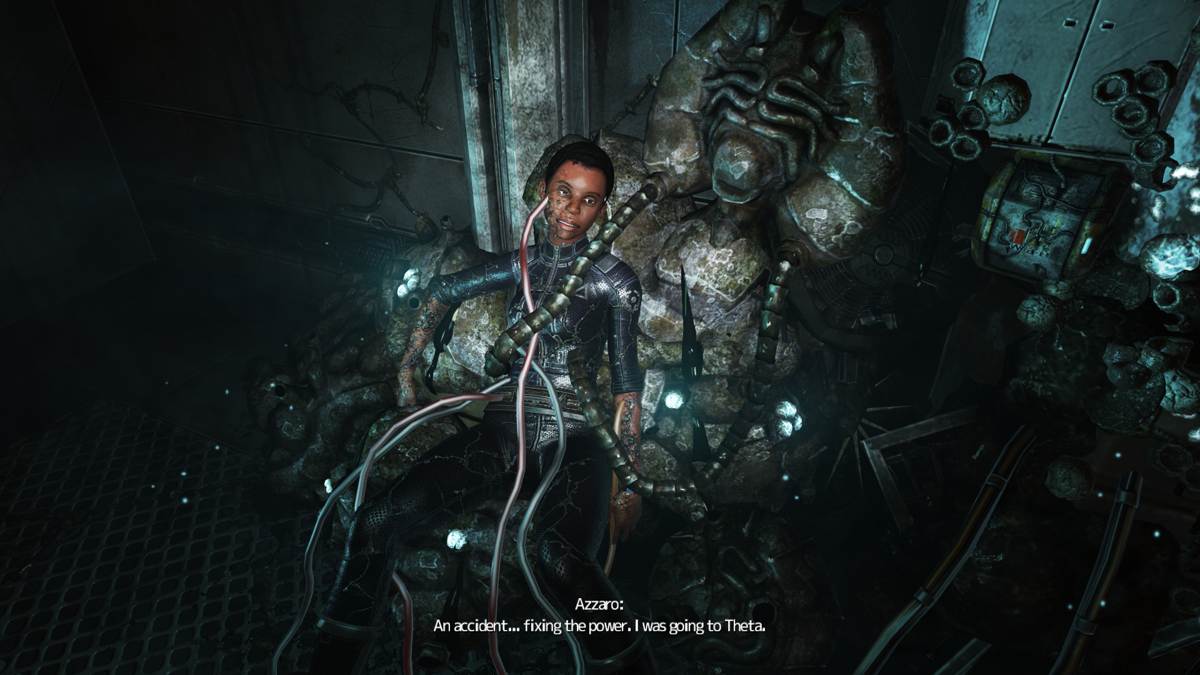
Why it is worth playing: SOMA is one of the clearest examples of psychological horror built around ideas rather than constant attacks. It uses science fiction, identity, memory, and moral discomfort to create fear that stays with the player after the game ends.
What makes it scary: The horror comes from understanding the world. The player gradually realizes what has happened, what the characters are, and what survival actually means. This makes the fear emotional and philosophical, not just physical.
Creator takeaway: A horror game can become stronger when the scariest moment is not a monster encounter, but a realization. Creators can use story, environment, and player discovery to make truth feel dangerous.
3. Darkwood
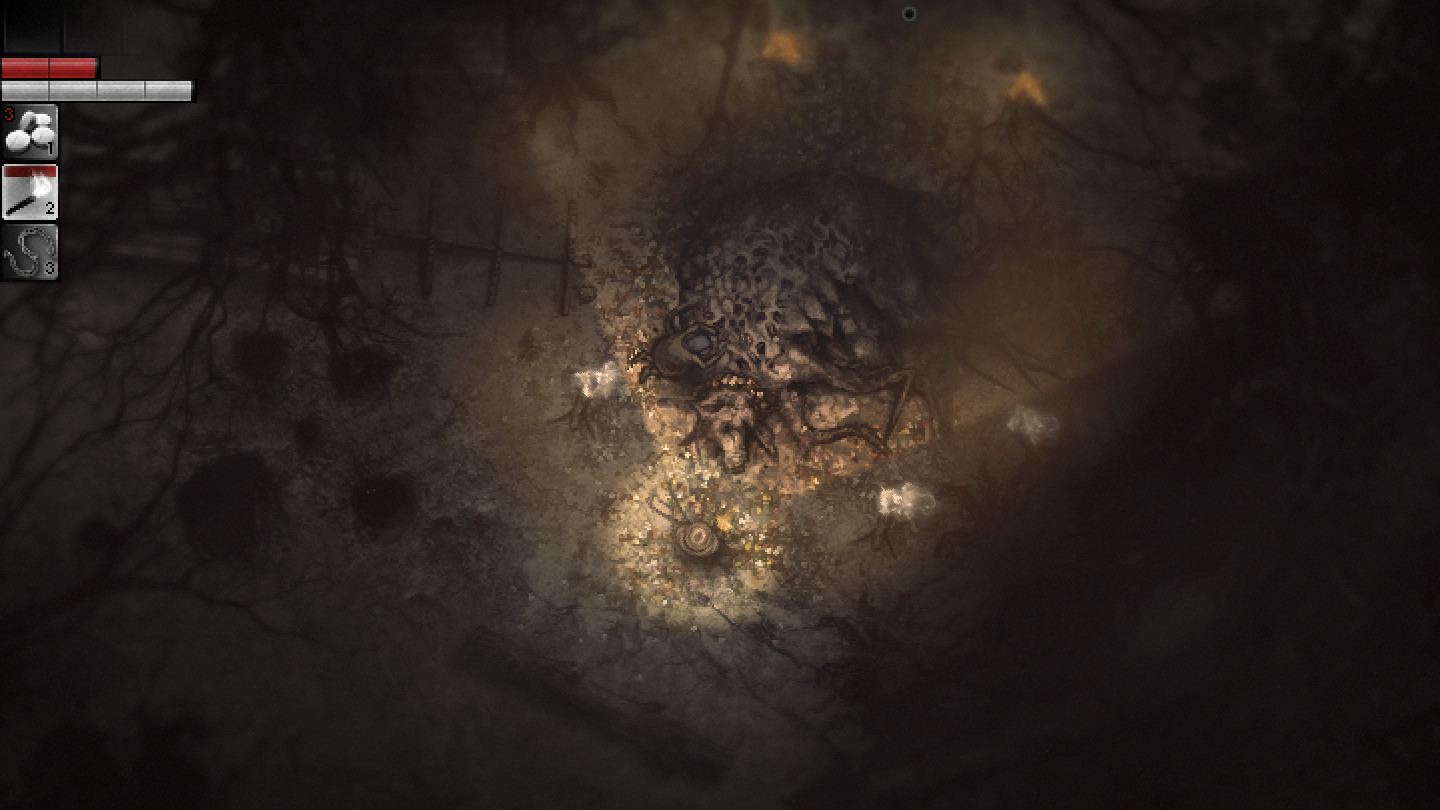
Why it is worth playing: Darkwood shows how top-down horror can feel oppressive without relying on constant jump scares. It turns exploration, survival, preparation, and night defense into a slow pressure system.
What makes it scary: The player has limited vision, limited resources, and limited trust in the environment. During the day, the player explores and prepares. At night, the same world becomes hostile and uncertain. This day-night structure makes fear feel earned.
Creator takeaway: Horror becomes stronger when players can prepare but never feel completely safe. Let preparation reduce danger, but not remove it. A good horror loop can be built around the tension between planning and losing control.
4. Iron Lung
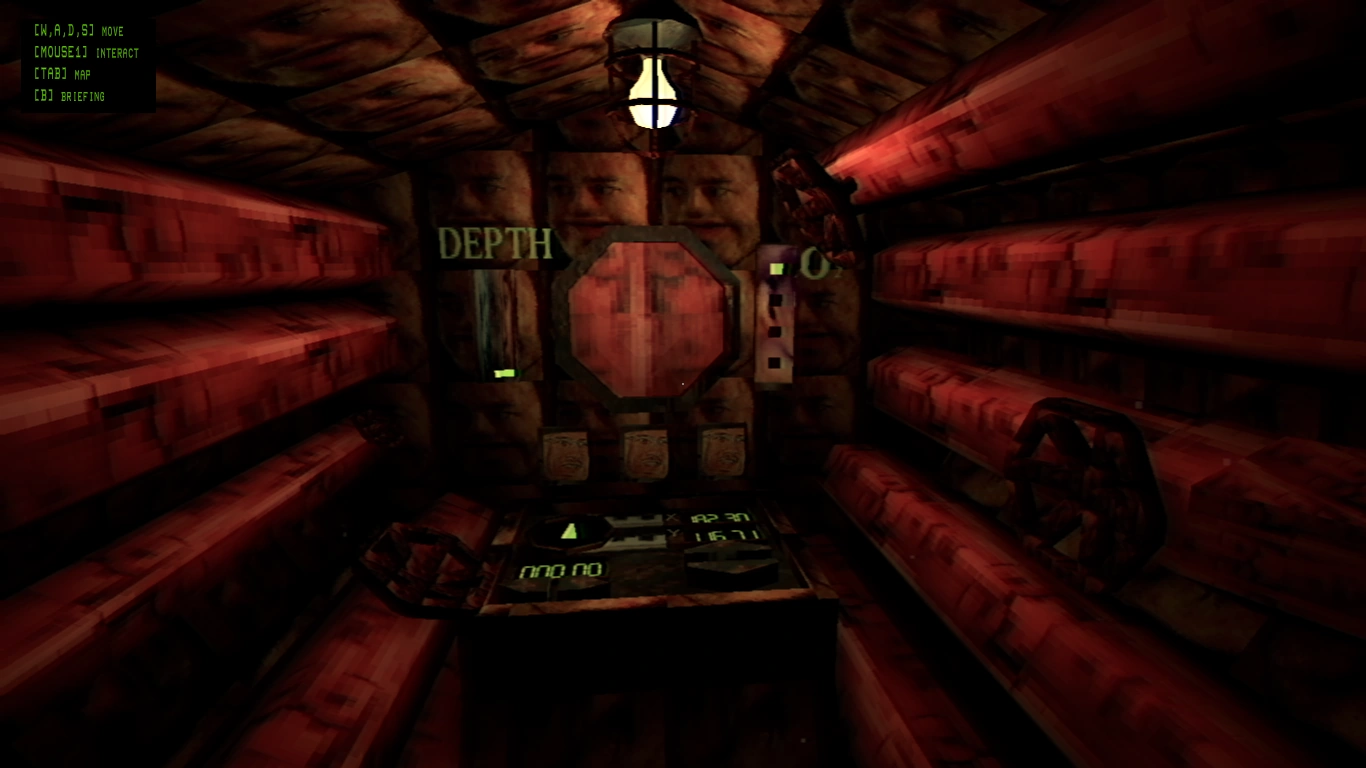
Why it is worth playing: Iron Lung proves that a tiny space can still feel huge and terrifying. The game places the player inside a small submarine and makes the unseen world outside feel more important than what is visible on screen.
What makes it scary: The player cannot freely look around the environment. Navigation depends on instruments, coordinates, and limited photographic information. The result is a game where imagination fills the darkness.
Creator takeaway: Limited information can be a powerful horror game mechanic. You do not always need to show the threat. Sometimes an interface, a map, a camera, or a delayed image can create more fear than direct visibility.
5. Signalis
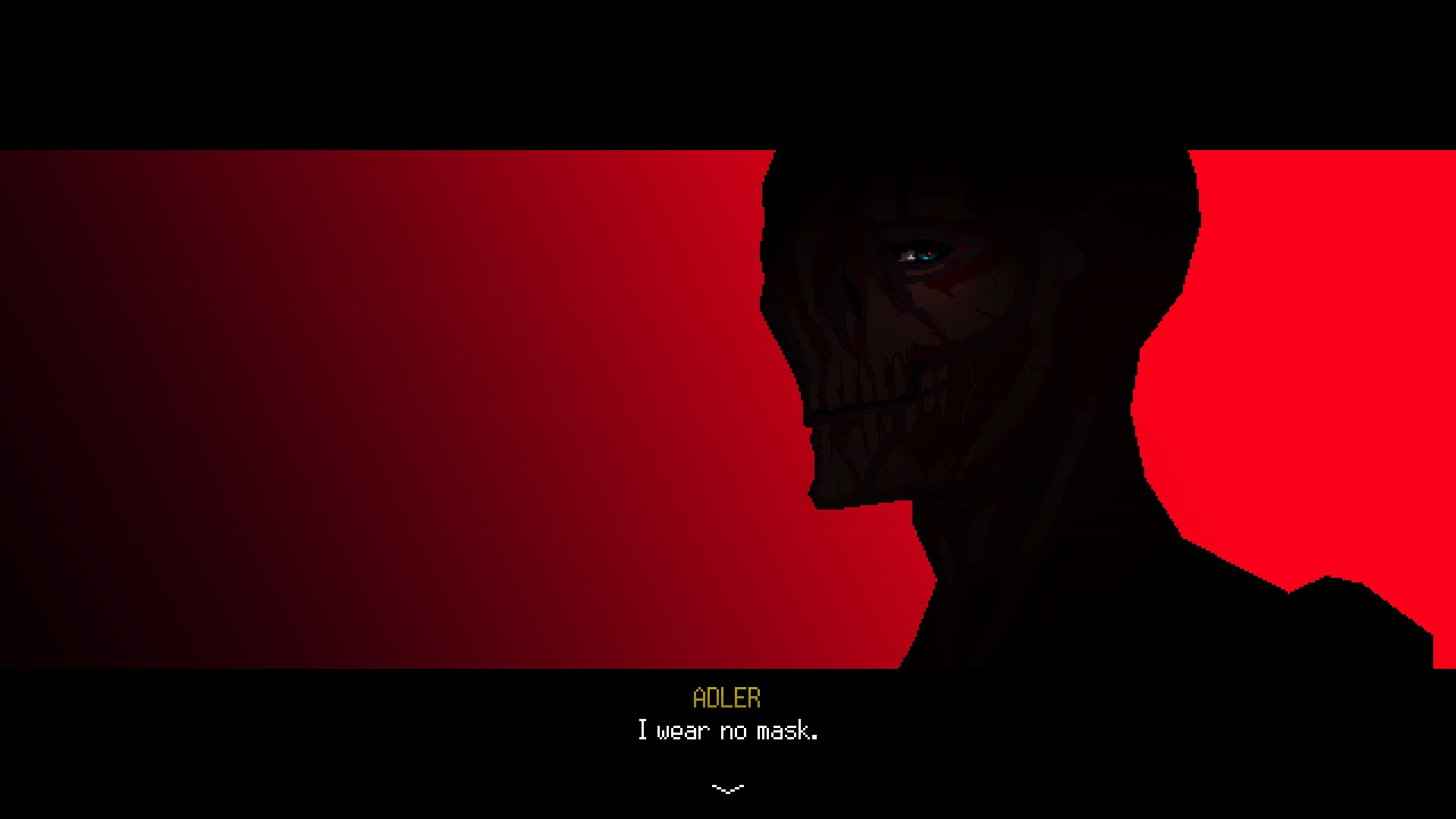
Why it is worth playing: Signalis combines survival horror structure with puzzles, memory, identity, retro visuals, and emotional mystery. It is a strong example of how old-school horror design can still feel fresh when the mechanics and theme work together.
What makes it scary: Inventory limits, enemy placement, strange environments, and fragmented storytelling make the player feel trapped in a system that is hard to fully understand. The game creates pressure through scarcity and mood rather than speed alone.
Creator takeaway: Survival horror works best when mechanics and theme support each other. Limited inventory should not feel like a random inconvenience. It should make the world feel heavier, more hostile, and more meaningful.
Darkwood and Signalis also show how limited resources, exploration, and uncertainty can turn horror into a survival system. You can find more games built around these ideas in our list of the best survival horror games.
6. FAITH: The Unholy Trinity
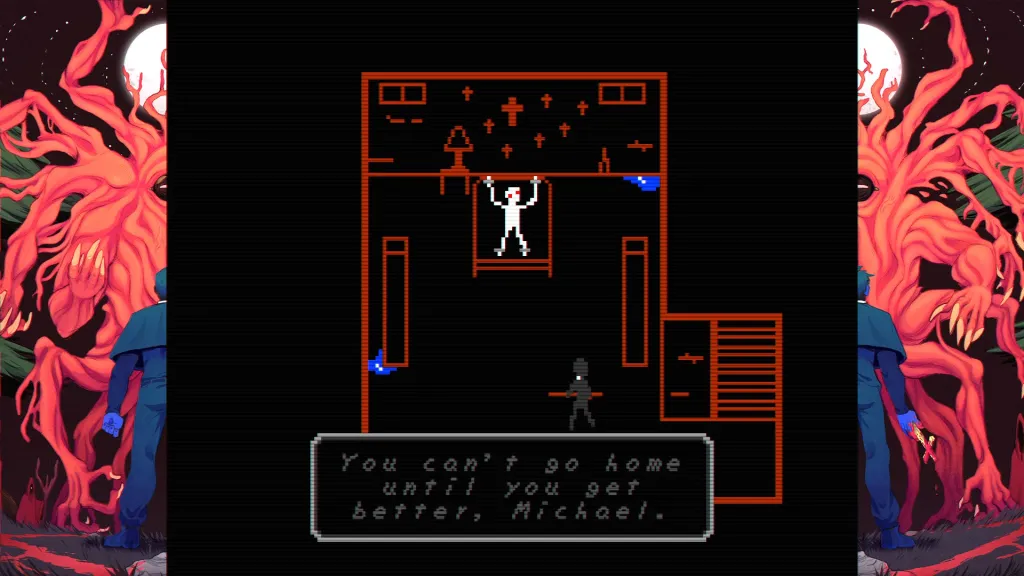
Why it is worth playing: FAITH: The Unholy Trinity uses extremely simple visuals to create religious horror, dread, and shock. It shows that a low-detail style can be memorable when sound, timing, and presentation are precise.
What makes it scary: The retro visuals leave space for imagination. Distorted voices, sudden animation shifts, silence, and strange movement make the game feel wrong in a way that high-detail graphics might not.
Creator takeaway: A limited art style can become a strength if it is consistent. Do not apologize for simple visuals. Use them to support mood, timing, and imagination.
7. The Mortuary Assistant
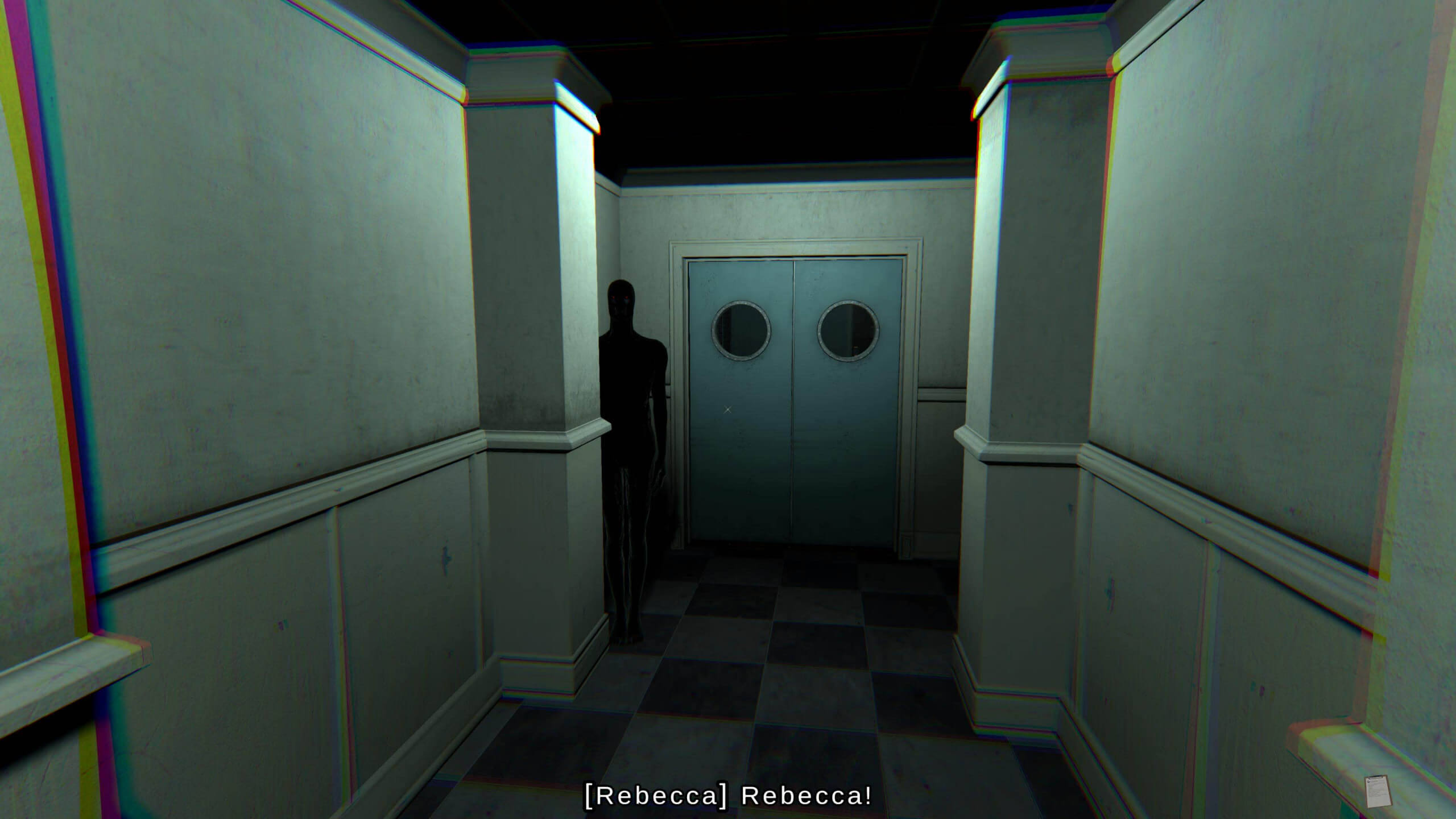
Why it is worth playing: The Mortuary Assistant turns a normal workplace routine into a replayable horror loop. The player performs specific tasks, learns the process, and then begins to notice when something is wrong.
What makes it scary: The horror works because the ordinary space becomes unsafe. Embalming tasks keep the player focused, while supernatural signs interrupt the routine. The more familiar the task becomes, the more disturbing the interruptions feel.
Creator takeaway: Give players a normal task, then corrupt it. Repetition can make scares stronger because players learn what should happen and become more sensitive when something changes.
8. Inscryption
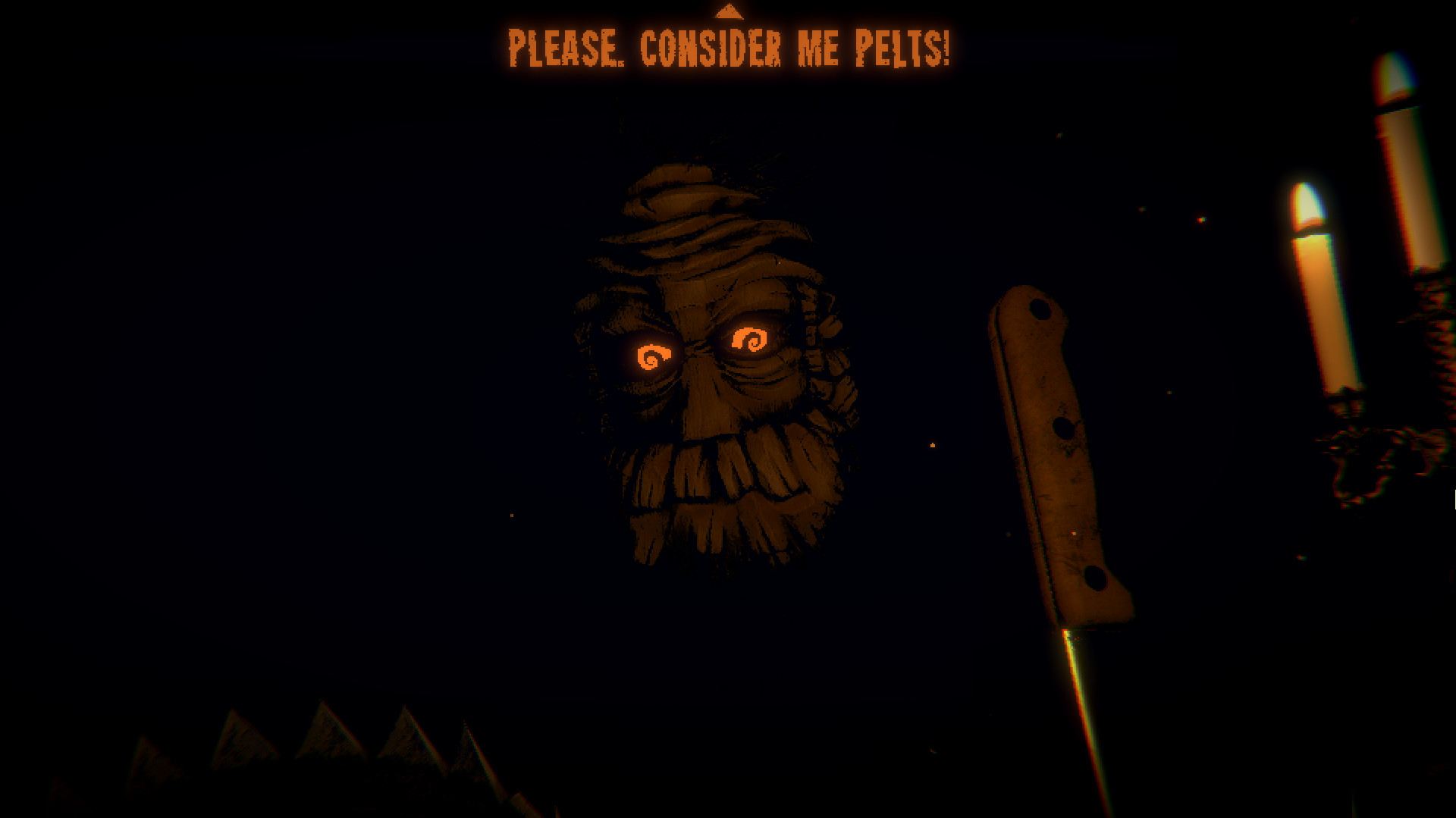
Why it is worth playing: Inscryption blends card strategy, escape-room mystery, and unsettling storytelling. It is not a traditional horror game in the usual sense, but it is useful to study because it makes rules, space, and discovery feel threatening.
What makes it scary: The player is trapped in a small space with a dangerous opponent. The card game rules seem clear at first, but the structure becomes stranger over time. The fear comes from realizing that the game is larger and less stable than it appeared.
Creator takeaway: A simple rule system can become scary when players suspect it is hiding something. Horror does not always need a chase. It can come from a game system that feels alive, unfair, or aware.
9. Mouthwashing
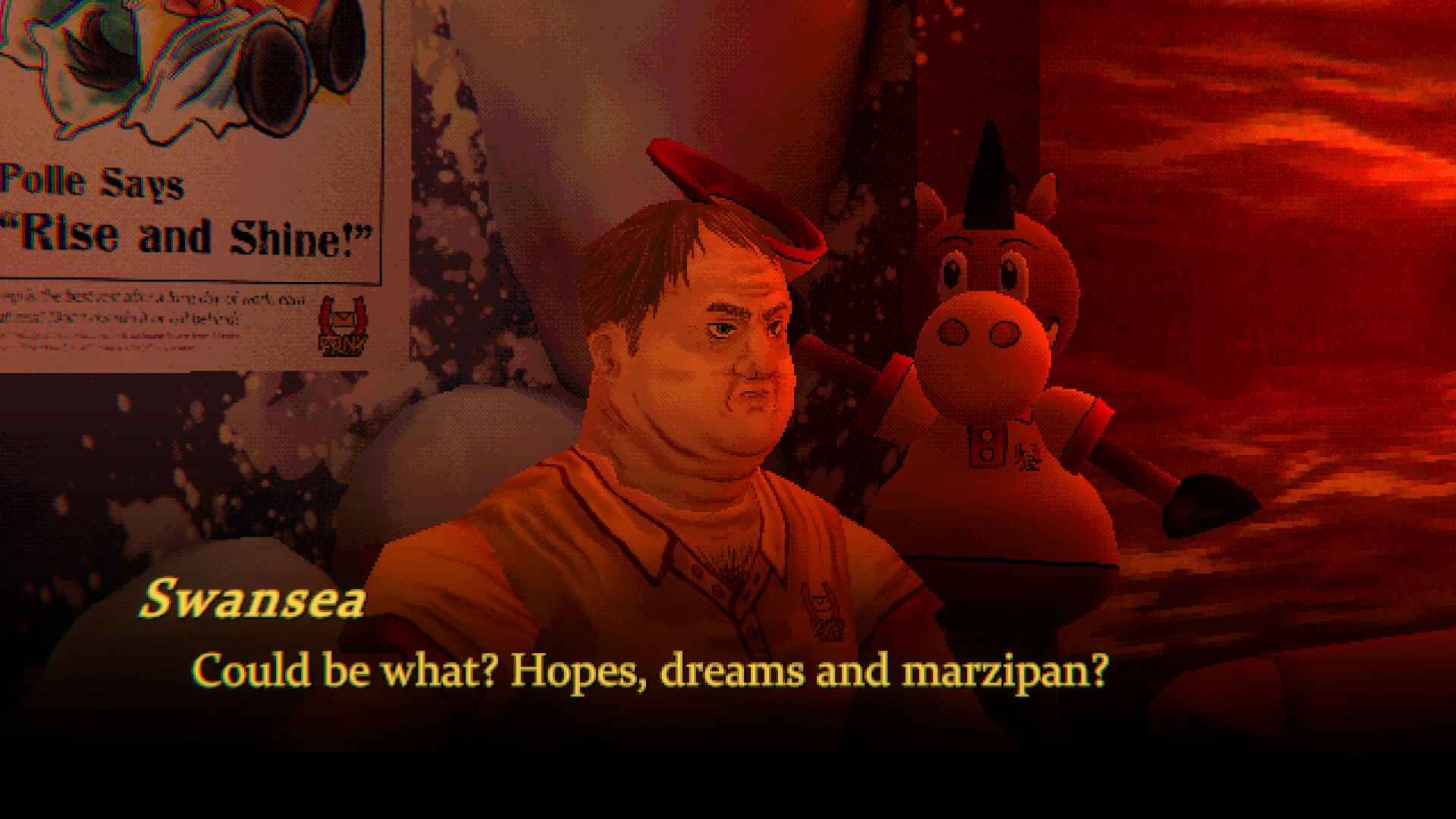
Why it is worth playing: Mouthwashing is widely discussed for its bleak space setting, unreliable perspective, character conflict, and psychological pressure. It shows how horror can come from social collapse and moral discomfort.
What makes it scary: The horror comes from confinement, dwindling supplies, guilt, denial, and broken trust inside a small crew. The setting is limited, but the emotional pressure grows because the characters cannot escape each other.
Creator takeaway: You can create dread through relationships. A monster is not always required if the player feels trapped with people who are hiding, lying, or breaking down.
10. Buckshot Roulette
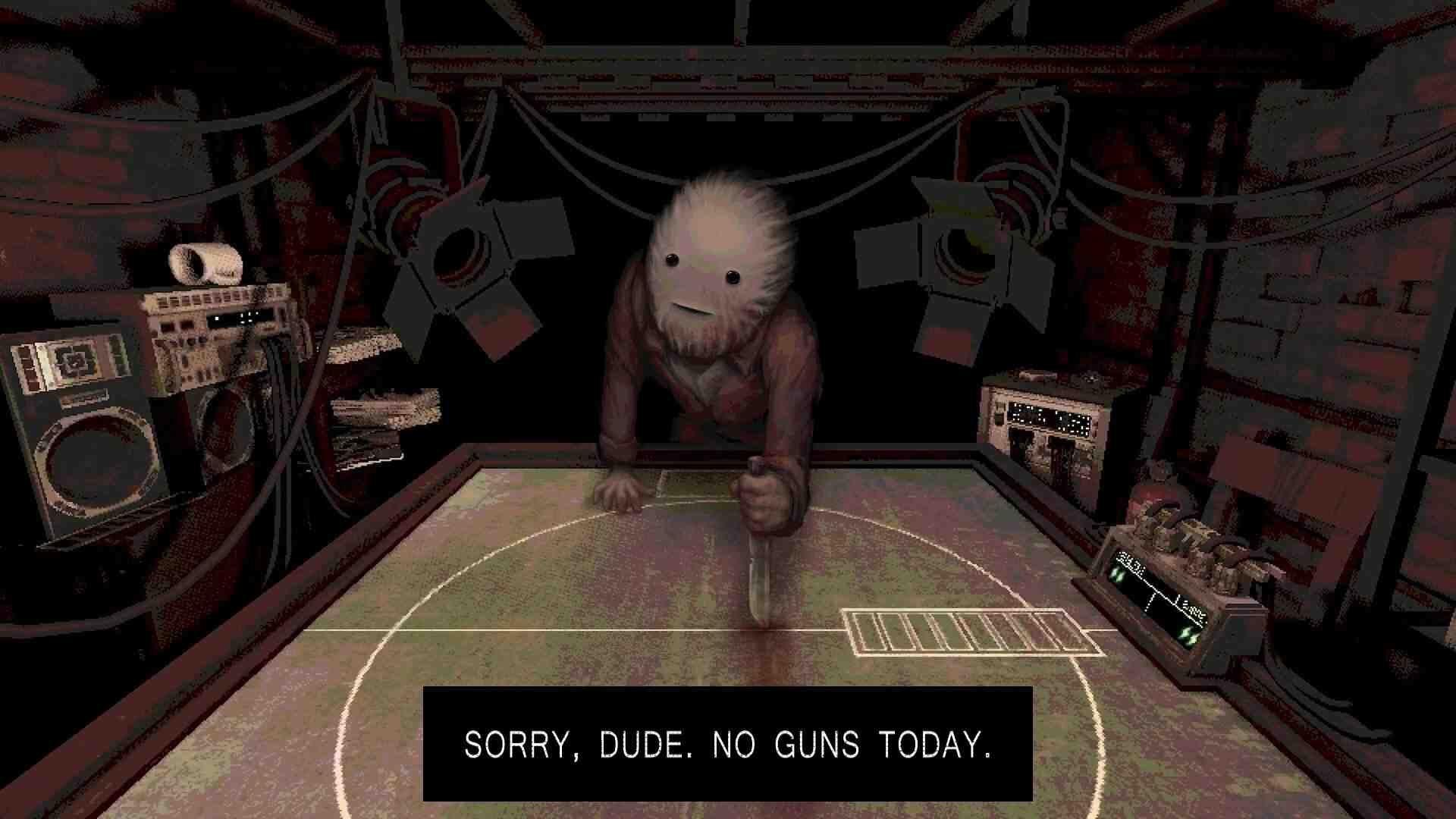
Why it is worth playing: Buckshot Roulette shows how a tiny tabletop-style rule set can become tense, readable, and replayable. The game is easy to understand quickly, but every decision feels dangerous.
What makes it scary: The player understands the risk, but uncertainty and item choices make each turn uncomfortable. The fear comes from probability, consequence, and the feeling that one decision can change everything.
Creator takeaway: A horror game can be built around one room and one rule. If the stakes are immediate and the player understands the risk, complexity is optional.
What Creators Can Learn From These Good Indie Horror Games
After playing the best indie horror games, do not only ask, "Was this game scary?" A better question is: what design choice made it scary?
Great indie horror games often work because they focus on one clear fear. Some use limited vision. Some use sound. Some use resource pressure. Some use a small room, a strange rule, or a story that slowly changes what the player believes.
For indie game creators, these lessons are more useful than copying a famous monster or visual style.
| Design Lesson | Games or Styles to Study | What Creators Can Learn |
|---|---|---|
| Build fear before danger appears | Slow psychological horror, SOMA | Fear can come from uncertainty, memory, and hidden meaning, not only attacks. |
| Use sound as a warning system | FAITH, Iron Lung, audio-driven horror | Footsteps, silence, static, or distant noise can create tension before anything appears. |
| Make small spaces feel unsafe | Iron Lung, Buckshot Roulette, one-room horror | One room is enough if the rules change, pressure increases, or the player feels watched. |
| Limit what the player knows | Darkwood, Iron Lung, pixel horror | Darkness, broken maps, low-detail visuals, and unreliable tools make players imagine the threat. |
| Use scarcity carefully | Darkwood, Signalis, survival horror | Limited resources make simple decisions tense, but they should create pressure instead of unfair frustration. |
| Turn routine into horror | The Mortuary Assistant | Teach players a normal pattern, then break it with small disturbing changes. |
| Let story create discomfort | SOMA, Mouthwashing, narrative horror | Horror can come from guilt, identity, trust, social pressure, or realizing the truth too late. |
| Build around one strong rule | Buckshot Roulette, experimental horror | A simple rule can carry a whole horror game if the player understands the risk. |
The key lesson is simple: do not copy a famous horror game. Learn the rule behind its fear, then build your own small version around a different setting.
For example, if you like Iron Lung, do not copy the submarine. Study the design rule: the player cannot see the danger directly. You could use the same rule in a locked hotel, a security camera room, a dark forest, or a broken spaceship.
If you like The Mortuary Assistant, do not copy the mortuary. Study the rule: a normal task becomes unsafe when small details change. You could apply that idea to a night shift at a gas station, a hotel front desk, a train station, or a school hallway.
If you like Buckshot Roulette, do not copy the table or weapon. Study the rule: one clear decision creates immediate risk. You could build a different horror game around opening doors, turning lights on and off, choosing radio channels, or deciding when to hide.
A player must do one simple thing while one frightening rule makes that task dangerous.
That is enough for a first horror game idea. You do not need a huge map, many monsters, or a long story at the beginning. Start with one fear, one rule, one goal, and one short playable experience.
Before building a full horror game, treat the idea as a small prototype. A short test can help you check whether the fear, rule, and player goal actually work. For a deeper workflow, read this guide on prototyping video games.
How to Make an Indie Horror Game With SoonLab
After studying what makes these good indie horror games work, the next step is to turn one design lesson into your own game idea. If you want a more complete step-by-step workflow, you can also read this guide on how to make a horror game before building your first playable prototype. You do not need to copy the hotel, monster, pixel style, or story from another game. Instead, choose one simple horror rule, such as limited vision, flickering lights, a chasing creature, or a sound that warns the player before danger appears.
SoonLab is an AI game maker that helps you create playable browser games from prompts. For a beginner indie horror game, you can describe the setting, player goal, controls, threat, win condition, fail condition, and visual style. SoonLab can then generate a playable game that you can test, revise, share, or publish.
STEP 1 Write a Clear Horror Game Prompt
Start with one small horror idea. A good prompt should explain what the player does, what makes the game scary, and how the game ends. You can also explore more good game prompts if you need different starting points.
Create a short indie horror game set in a small hotel.
The player must find 5 keys before the lights go out.
Controls: WASD or arrow keys.
Challenge: a shadow creature appears when the lights flicker.
Win condition: collect all keys and reach the exit.
Fail condition: get caught three times.
Style: dark pixel art, limited vision, tense background sound, short play session, restart button.
STEP 2 Paste the Prompt Into SoonLab and Click Generate
Open SoonLab, paste your prompt into the creation box, and click Generate. SoonLab will turn the prompt into a playable browser game, so you can quickly see whether the horror idea works in practice.
Turn your idea into aplayable horror game
Describe the game you want to make, and SoonLab will help you start building it.
STEP 3 Play, Revise, Share, or Publish
After the game is created, play it like a real player. Check whether the goal is clear, the threat feels fair, the sound supports tension, and the ending feels complete. If something feels confusing, revise the game with a new prompt, such as "make the monster slower," "add clearer warning sounds," or "make the hotel map smaller."
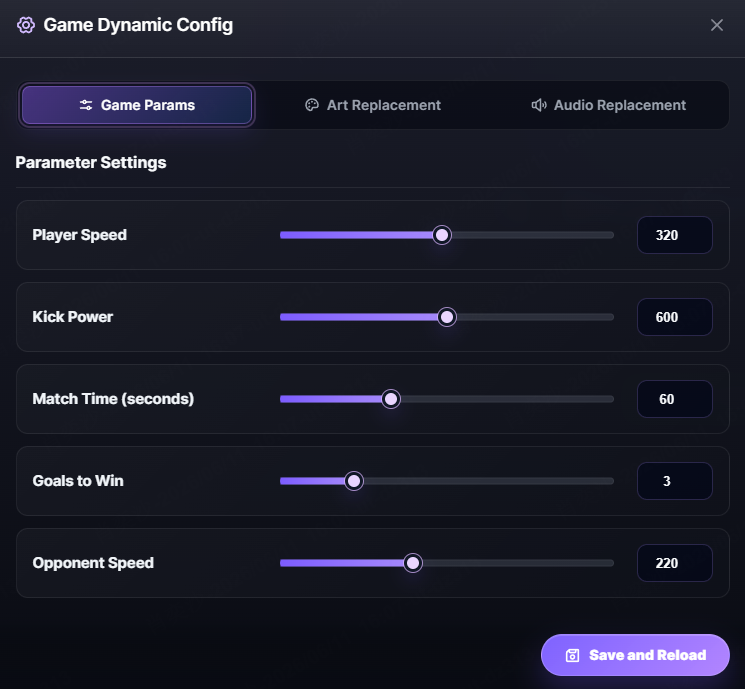
When you are happy with the result, you can share or publish the game. This makes SoonLab useful not only for testing horror ideas, but also for creating small indie horror games that others can actually play.
FAQs About Indie Horror Games
What are the best indie horror games?
Strong examples to play and study include Amnesia: The Dark Descent, SOMA, Darkwood, Iron Lung, Signalis, FAITH: The Unholy Trinity, The Mortuary Assistant, Inscryption, Mouthwashing, and Buckshot Roulette. Each game creates fear in a different way, so the best choice depends on whether you enjoy psychological horror, survival pressure, short experimental horror, or story-driven dread.
Why are indie horror games so scary?
Indie horror games are often scary because they focus on atmosphere, sound, limited information, player vulnerability, and unusual mechanics. They do not always need huge production budgets. A small space, one strong rule, or one disturbing idea can be enough when the pacing is clear.
What are good indie horror games for beginners to study?
Good indie horror games for beginners to study include Iron Lung for limited information, Darkwood for survival pressure, FAITH for lo-fi atmosphere, The Mortuary Assistant for routine corruption, and Buckshot Roulette for one-rule tension. These games are useful because each one teaches a clear design lesson.
Are Roblox horror games worth studying too?
Yes. While Roblox horror games are different from traditional indie horror releases, they are useful for studying simple multiplayer fear, social tension, chase loops, and creator-friendly horror ideas. If you want more examples, explore these scariest Roblox games and compare how they create fear with simpler systems.
What are good indie horror games on Steam?
Many players use Steam to discover indie horror games through tags, reviews, wishlists, demos, and recommendations. Instead of only looking at popularity, study how each game presents its horror hook, how quickly the trailer communicates tension, and whether the store page makes the core fear easy to understand.
Can I make an indie horror game without coding?
Yes. No-code tools, browser game workflows, and AI game maker platforms can help beginners create a small playable horror game without starting from code. For a broader beginner workflow, read this guide on how to create a game without coding.
What makes a good indie horror game?
A good indie horror game usually has a clear goal, limited information, strong pacing, effective sound, a simple threat rule, and understandable failure conditions. After failing, the player should want to try again because they understand what they might do better.
Final Thoughts
The best way to learn from indie horror games is not to copy their monsters, stories, or visual style. Play them, study why they work, choose one design lesson, and build a different idea around that lesson.
If you came here looking for the best indie horror games, start with the list above and notice which kind of fear stays with you: uncertainty, sound, vulnerability, resource pressure, social tension, or strange rules. If you are a creator, turn that observation into a small playable test.
Try AI game maker SoonLab and create your own indie horror game with AI.