
If you want one visual novel that shows how powerful the format can be, start with The House in Fata Morgana. Its gothic mystery, connected timelines, and emotional character writing make it my top overall recommendation. If you prefer more interaction, choose Zero Escape: The Nonary Games for puzzles or Phoenix Wright: Ace Attorney Trilogy for courtroom battles.
This guide covers 12 of the best visual novels across mystery, romance, horror, science fiction, and comedy. You will learn what makes each game worth playing, how much interaction it offers, who it suits, and what limitations to consider. You will also find quick recommendations for beginners and practical advice for choosing-or creating-a visual novel that matches your interests.
Best Visual Novels at a Glance
| Visual novel | Best for | Interaction level | Main consideration |
|---|---|---|---|
| The House in Fata Morgana | Best overall story | Low | Slow and emotionally heavy |
| Steins;Gate | Sci-fi and time travel | Low | Takes time to reach its main conflict |
| Zero Escape: The Nonary Games | Mystery and puzzles | High | Complex timeline |
| Phoenix Wright: Ace Attorney Trilogy | Beginners | High | Case structure can feel repetitive |
| Umineko When They Cry | Long-form mystery | Low | Very long |
| Danganronpa: Trigger Happy Havoc | Fast murder mystery | High | Strong anime style and dark humor |
| CLANNAD | Emotional romance | Medium | Long routes and older tropes |
| Our Life: Beginnings & Always | Comforting romance | Medium | Low dramatic tension |
| Doki Doki Literature Club Plus! | Psychological horror | Low | Disturbing themes |
| Slay the Princess | Choices and replay value | High | Deliberately repetitive structure |
| VA-11 Hall-A | Atmosphere and conversation | Medium | Very relaxed pace |
| PARANORMASIGHT | Shorter supernatural mystery | Medium | Some sudden deaths and trial-and-error |
The Best Visual Novel Games to Read and Play
1. The House in Fata Morgana - Best Visual Novel Overall
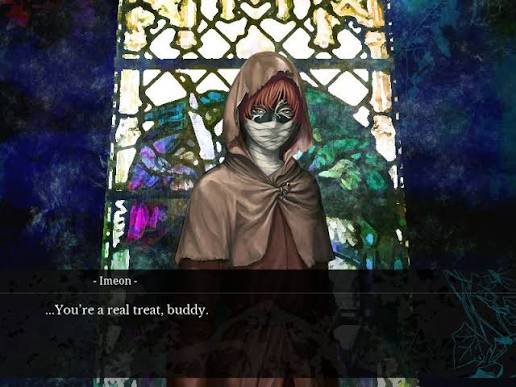
The House in Fata Morgana begins in a ruined mansion. An unnamed spirit wakes without memories, and a mysterious maid guides it through several tragedies from the building's past. What first looks like a set of separate gothic tales slowly becomes one much larger story about identity, cruelty, love, and forgiveness.
I recommend it to readers who want writing and character development above frequent gameplay. Its greatest strength is the way earlier scenes gain new meaning as the truth becomes clearer. The art and music create an atmosphere that feels distinct from the usual modern anime visual novel.
The tradeoff is its pace. Choices are limited, and some sections need patience before their purpose becomes clear. It is a better fit for someone ready to read a long, serious story than a player looking for constant decisions.
2. Steins;Gate - Best Science-Fiction Visual Novel
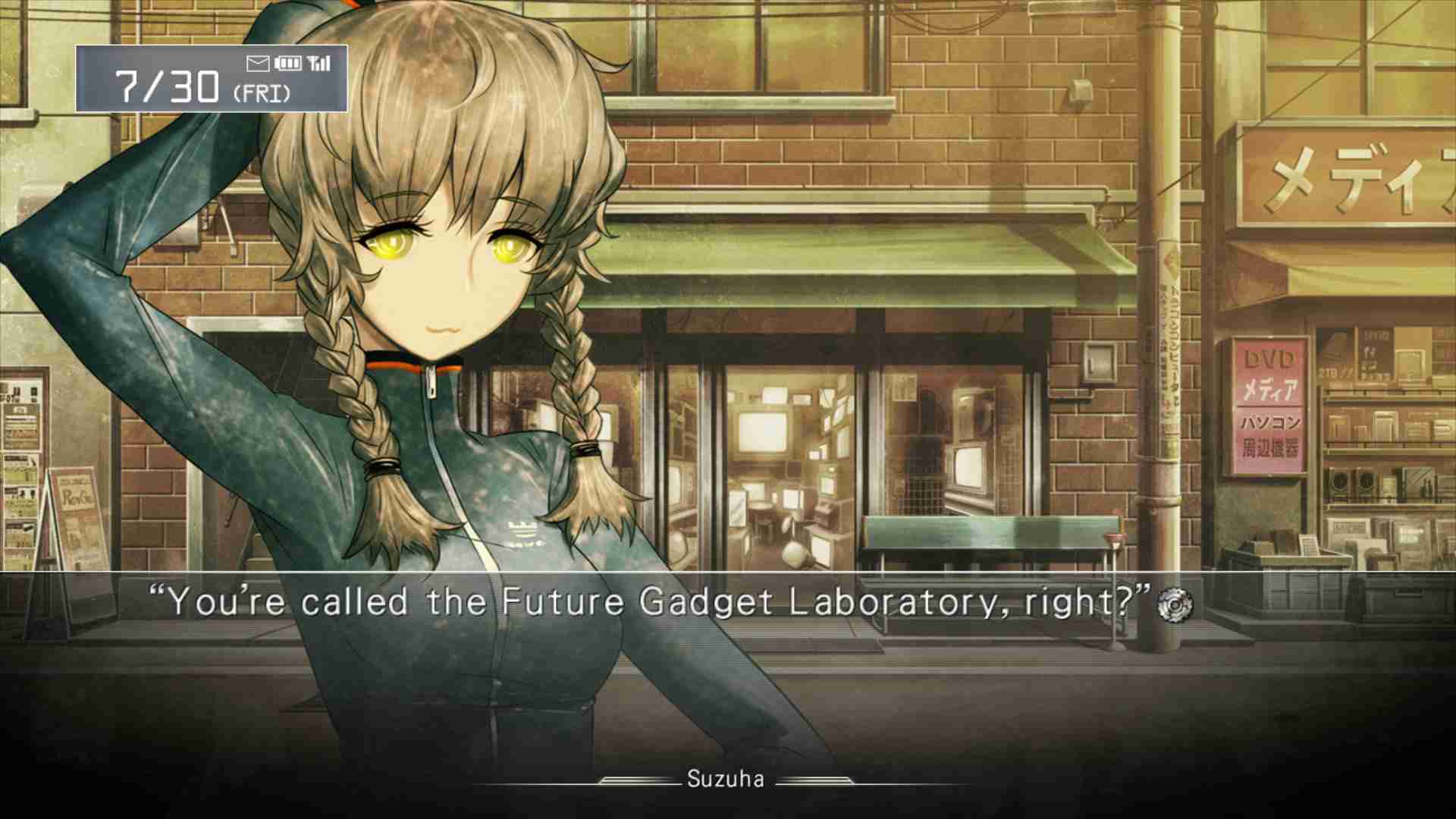
Steins;Gate follows a small group of friends who discover that a modified microwave can send messages into the past. The early chapters spend a lot of time on jokes, daily life, and strange experiments. That groundwork matters when their harmless discovery develops into a dangerous time-travel crisis.
The game uses the protagonist's phone rather than obvious choice menus for many of its branches. Deciding when to answer a message or make a call can move the story toward a different ending. This makes the interaction feel connected to the world instead of added on top of it.
It is one of the best Japanese visual novels for readers who enjoy detailed science-fiction plots and a close group of characters. However, the slow opening and the protagonist's exaggerated personality can be difficult at first. Give it time if you like stories that carefully set up their later twists. If you enjoy getting attached to a cast but want more active gameplay next, Persona 5 Royal and Tales of Arise are worth considering among the best anime games.
3. Zero Escape: The Nonary Games - Best Mystery Visual Novel with Puzzles
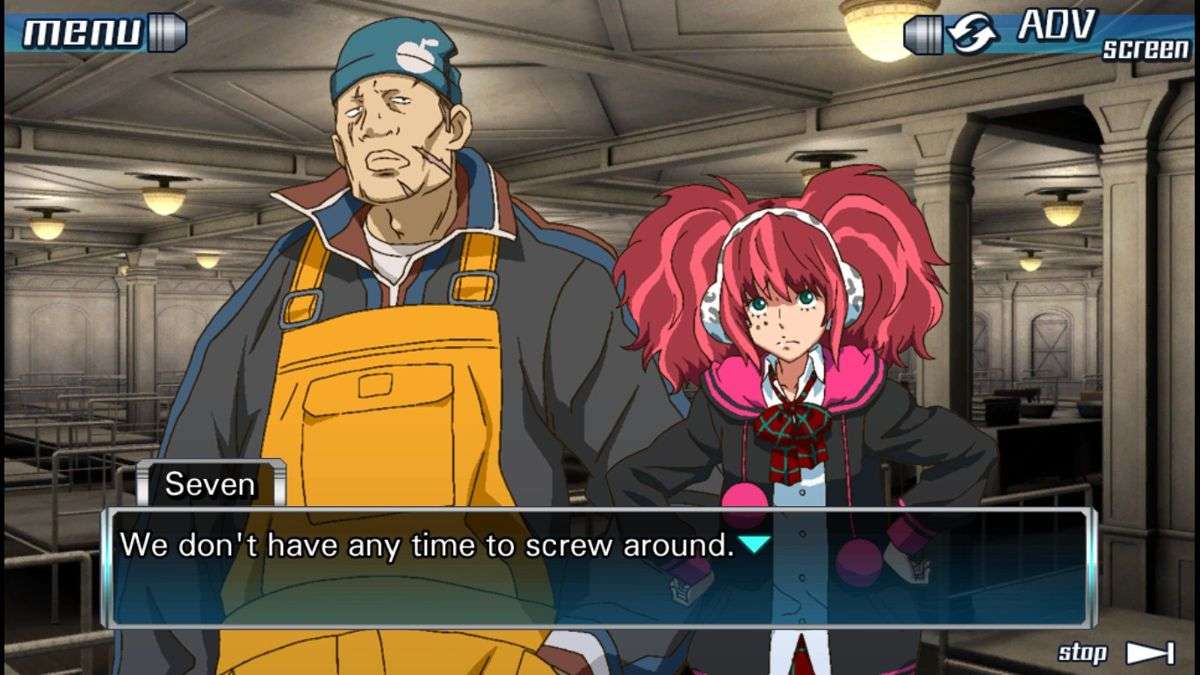
Nine strangers are trapped and forced to take part in a deadly escape game. Between story scenes, you search rooms, combine objects, and solve logic puzzles. Decisions lead to different branches, but reaching one ending is only part of the mystery.
The Nonary Games contains the first two major entries, 999 and Virtue's Last Reward. Both use branching timelines as part of the plot rather than treating alternate endings as optional extras. The result is a visual novel game in which replaying and gathering information feel necessary.
This is my first choice for players worried that visual novels involve too little gameplay. The puzzles keep the experience active, while the locked-room premise creates immediate tension. Some solutions and timeline explanations become complicated, but that complexity is also why mystery fans remember the series.
If the room-solving sections appeal to you more than the long conversations, our guide to the best escape room games offers more puzzle-focused choices. Compare solo mysteries with games built around solving clues together.
4. Phoenix Wright: Ace Attorney Trilogy - Best for Beginners
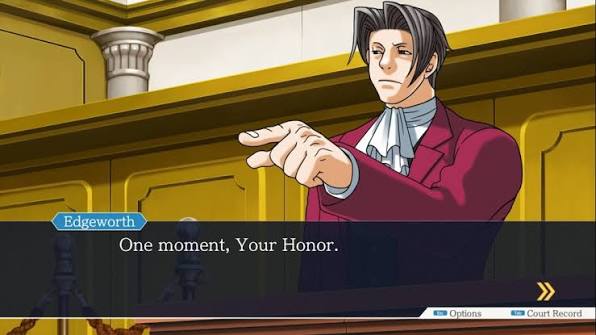
Ace Attorney is an easy bridge between a traditional adventure game and a visual novel. As defense lawyer Phoenix Wright, you investigate crime scenes, question witnesses, compare testimony with evidence, and expose contradictions in court.
The cases are dramatic without staying serious all the time. Colorful characters and expressive animations make long conversations easier to follow, while the evidence system gives you a clear task. Each case also has natural stopping points, so it is less intimidating than a single 40-hour narrative.
I would recommend the trilogy to anyone trying their first visual novel. It teaches its systems clearly and rewards close reading. In a Reddit discussion about beginner visual novels, several players also favored games such as Danganronpa and Zero Escape because their gameplay can help newcomers ease into the format. The main limitation is that later testimony can depend on very specific evidence, and choosing the wrong item may feel more like guessing than deduction.
5. Umineko When They Cry - Best Long-Form Mystery

A wealthy family gathers on an isolated island to discuss an inheritance. A typhoon cuts off their escape, gruesome murders begin, and a witch appears to claim responsibility. The central question is not simply who committed the crimes, but whether they can be explained without magic.
Umineko turns the reader into an active participant even though it offers few conventional choices. You are asked to examine statements, challenge assumptions, and reconsider what counts as truth. Readers regularly recommend it in visual novel communities for its ambition and layered mystery, but its enormous length is just as frequently raised as a barrier.
Choose it if you enjoy difficult theories, unreliable accounts, and stories that expect you to think between chapters. Avoid making it your first visual novel if you need quick answers or frequent gameplay. Zero Escape and PARANORMASIGHT offer faster entry points into the same broad mystery space.
6. Danganronpa: Trigger Happy Havoc - Best High-Energy Murder Mystery
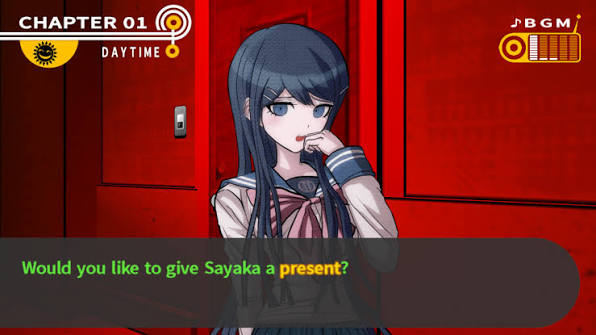
A group of talented students is locked inside a school. The only way to escape is to murder another student and survive the class trial that follows. You investigate each death, collect evidence, and use it during fast courtroom debates.
Danganronpa moves faster than many novel games. Exploration, trial minigames, bold character designs, and constant twists break up the reading. It works well for anime fans who want a large cast and an immediate hook.
Its style is intentionally loud, and its mixture of cruelty, comedy, and fan service will not suit everyone. The trial mechanics can also become visually busy. Pick Ace Attorney for a lighter courtroom mystery or Danganronpa when you want greater danger and spectacle.
7. CLANNAD - Best Emotional Romance Visual Novel
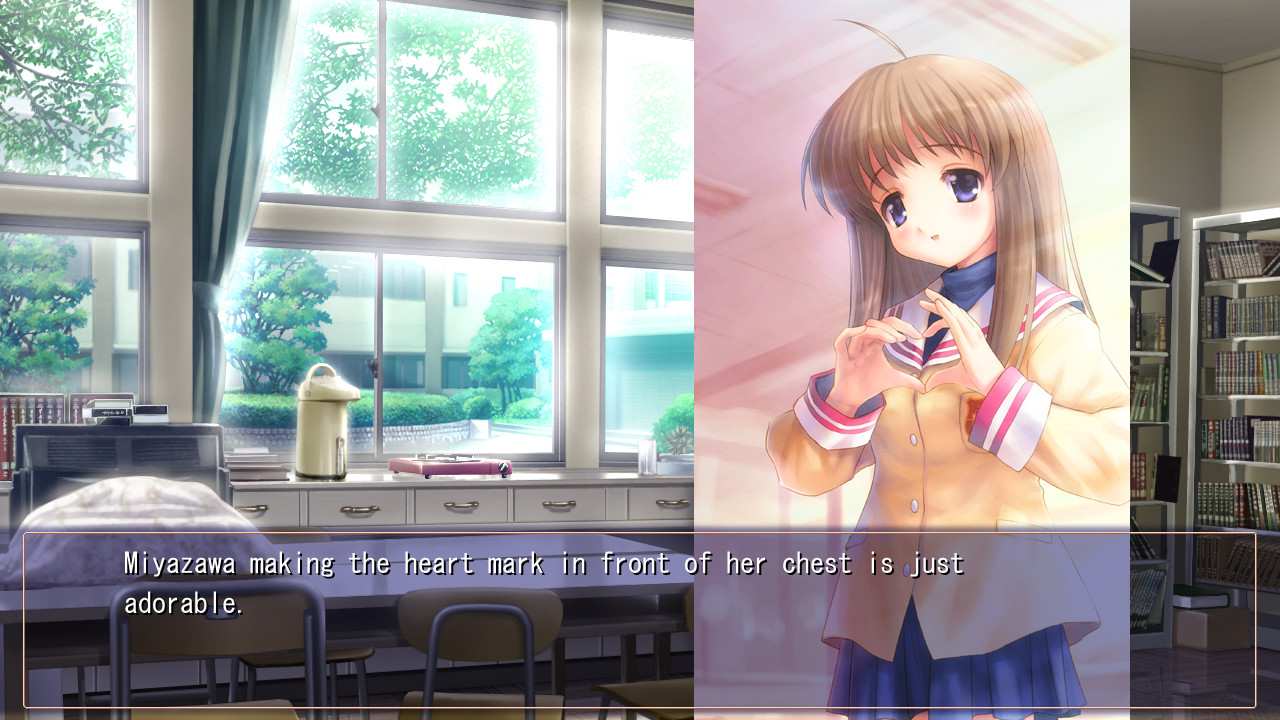
CLANNAD follows Tomoya, a disaffected student whose life begins to change after he meets Nagisa and helps her rebuild the school drama club. Different choices open routes focused on classmates, family relationships, and the characters' lives beyond school.
This is not simply a dating game built around choosing a favorite character. Its most important material deals with growing up, building a home, and living through loss. That broader emotional scope is why it remains one of the best-known anime visual novels.
The game is long, and some comedy or character types show their age. Reaching its central conclusion also requires following multiple routes. I recommend it when you want a romance that develops into a family story, but not when you need a short and tightly paced first experience.
8. Our Life: Beginnings & Always - Best Comforting Romance
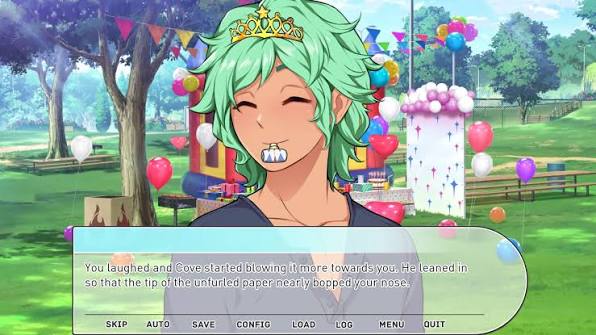
Our Life follows the player and Cove Holden from childhood into adulthood. You can shape your name, appearance, personality, feelings, and relationship with Cove across several stages of life. The story responds to those choices without constantly pushing you toward failure.
Many romance games use danger or jealousy to create tension. Our Life instead gives players room to define a relationship slowly. It is a warm choice for anyone who wants an inclusive character creator, low-pressure decisions, and a story that remembers personal details.
The gentle tone is also its limitation. Readers looking for mystery, conflict, or dramatic route changes may find it too calm. For more games focused on relationships, SoonLab's guide to games with romance options covers choices beyond the traditional visual novel format. Players who prefer mobile otome stories can also explore these games like Love and Deepspace.
9. Doki Doki Literature Club Plus! - Best Psychological Horror Visual Novel

At first, Doki Doki Literature Club looks like a cheerful school romance about joining a club and writing poems. It soon breaks that familiar structure in disturbing ways. The contrast between its bright presentation and psychological horror is the main reason the game became so recognizable.
It is short enough to finish without the commitment required by many Japanese visual novels, and knowing too much weakens its effect. Go in with as little plot information as possible, but take its content warnings seriously. It deals with mental health, self-harm, suicide, and other upsetting material.
This is a strong pick if you want horror built through unease and disrupted expectations rather than combat. It is not a good choice if you want a sincere romance or if its themes could be harmful to you.
10. Slay the Princess - Best for Meaningful Choices
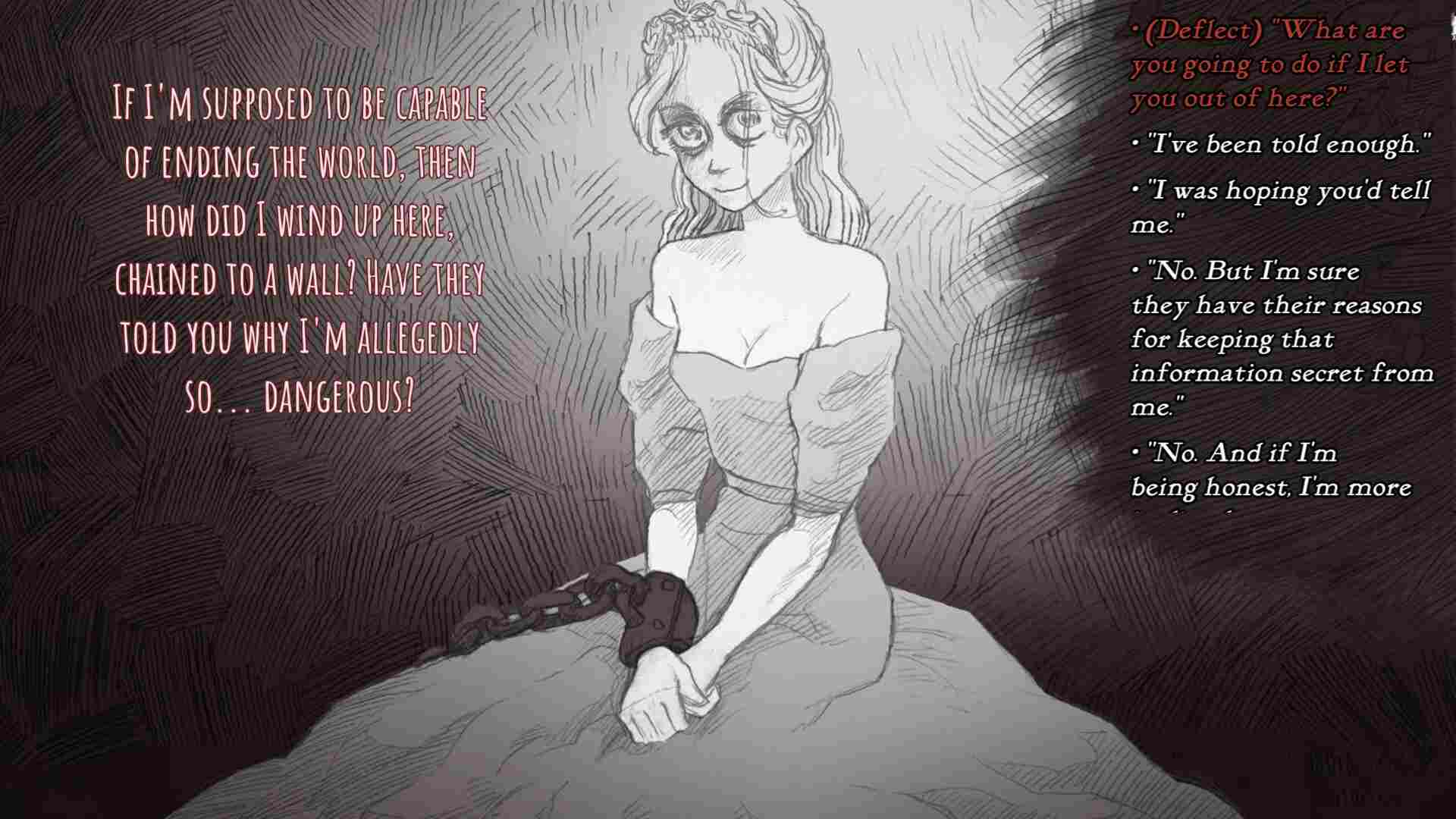
A narrator tells you to enter a cabin and kill a princess before she destroys the world. You can obey, resist, question the premise, or change your mind. Each decision changes both the princess and the reality around you.
Slay the Princess shows what branching storytelling can do when choices affect more than the final scene. Its hand-drawn art, voice performances, and reactive dialogue make repeated visits to the cabin feel different. It combines romance, comedy, philosophy, and body horror without settling neatly into one category.
The looped structure is intentional, but some readers will still find the repetition tiring. I recommend it to players who want to experiment and replay scenes. Choose The House in Fata Morgana instead if you prefer a more directed story with fewer interruptions.
11. VA-11 Hall-A - Best for Atmosphere and Conversation
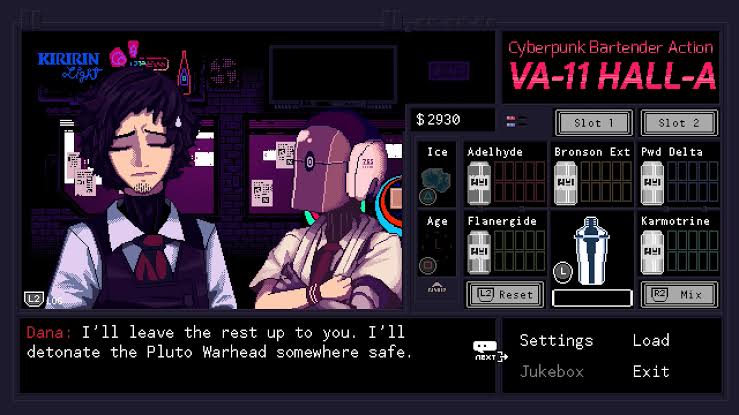
In VA-11 Hall-A, you serve drinks at a small bar in a cyberpunk city. Customers talk about work, relationships, technology, and the events outside. The drink you make can influence how a conversation develops, so listening is more useful than choosing from a standard dialogue menu.
The appeal comes from spending time with recurring customers and gradually understanding their lives. The pixel art and music create a relaxed late-night mood, while the small setting keeps the story personal rather than turning it into a mission to save the city.
It is a good visual novel for players who value atmosphere and character voices. It is less suitable if you expect a strong central mystery or major branches. Much of the pleasure comes from ordinary conversations that build slowly.
12. PARANORMASIGHT: The Seven Mysteries of Honjo - Best Shorter Mystery
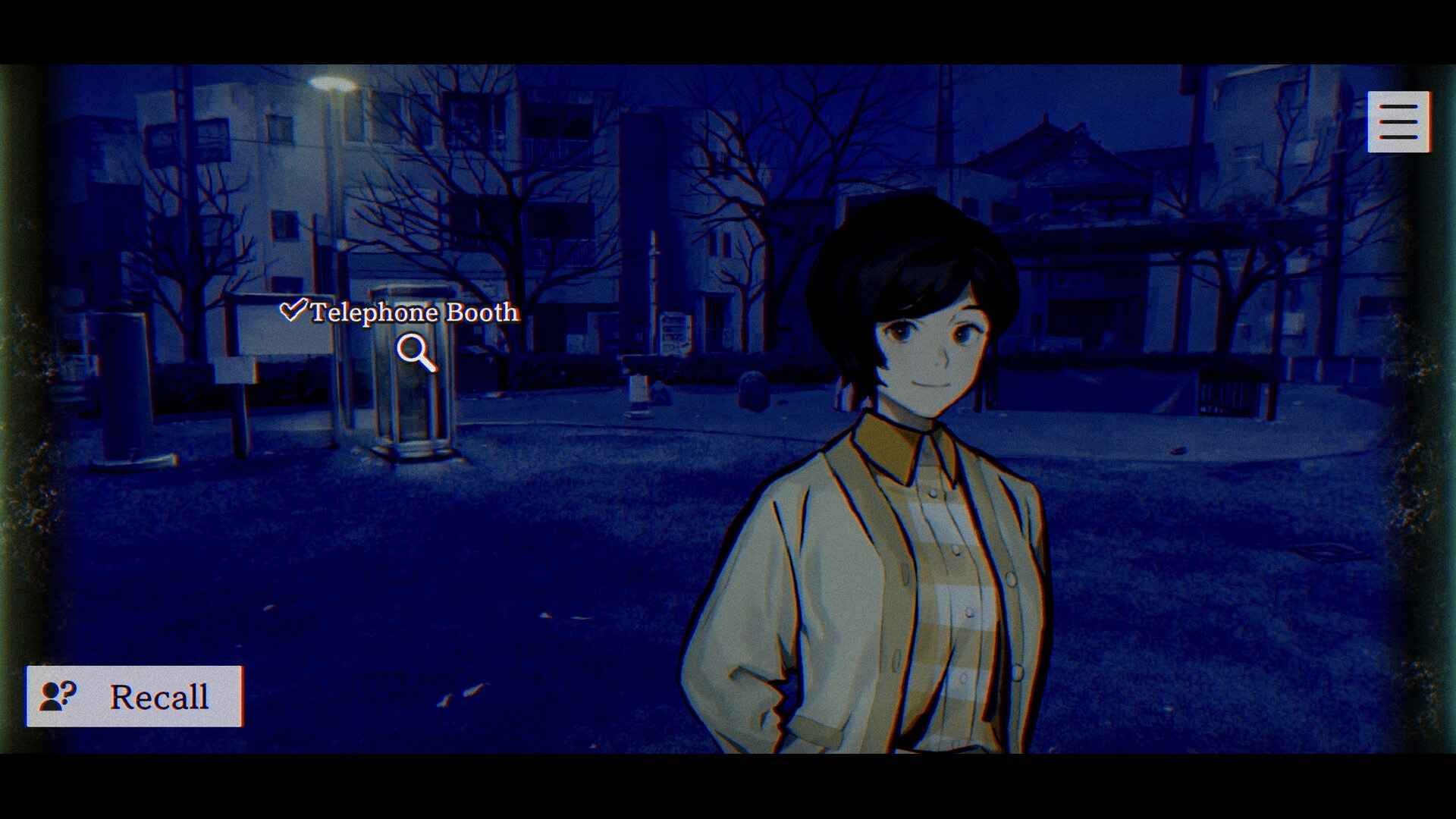
PARANORMASIGHT connects several characters through urban legends, deadly curses, and a search for a resurrection ritual in Tokyo's Sumida ward. You switch viewpoints to learn what each person knows and use that information to move other routes forward.
The game reaches its mystery quickly and uses its panoramic backgrounds to make conversations feel uneasy. It is a useful middle ground for readers who want clever structure but are not ready for the length of Umineko or Steins;Gate.
Some deaths arrive suddenly, and progress occasionally depends on revisiting a scene with new knowledge. Still, the compact cast and strong sense of place make it one of the best mystery visual novels for a relatively manageable commitment.
How to Choose a Good Visual Novel
A high rating does not automatically make a visual novel right for you. The top-rated visual novels on itch.io include browser stories, romance games, horror titles, and experimental interactive fiction, which shows how broad the format has become. These four questions narrow the choice quickly.
1. How much interaction do you want?
Choose Phoenix Wright, Zero Escape, or Danganronpa if you want investigations, puzzles, or minigames between conversations. Pick Slay the Princess when you want frequent choices and visible consequences. If you are comfortable reading for long stretches, The House in Fata Morgana and Umineko can give the story more room to develop.
2. Which genre sounds most appealing?
- Mystery: Start with Zero Escape or PARANORMASIGHT.
- Romance: Choose Our Life for comfort or CLANNAD for heavier drama.
- Horror: Try Doki Doki Literature Club Plus! or Slay the Princess.
- Science fiction: Pick Steins;Gate.
- Comedy and courtroom drama: Begin with Phoenix Wright.
3. How long do you want to read?
Some top-rated visual novels take dozens of hours and expect you to complete several routes. That can be rewarding, but it is not the best introduction for every player. PARANORMASIGHT, Doki Doki Literature Club, and Slay the Princess make more manageable starting points. Save Umineko or CLANNAD for a time when you want a much longer story.
4. Do you want Japanese or Western visual novels?
Japanese visual novels helped define familiar features such as character routes, illustrated sprites, and long branching narratives. Steins;Gate, CLANNAD, and Umineko are strong examples, but the medium is no longer limited to one country or art style. Slay the Princess, Our Life, and Doki Doki Literature Club use the format in noticeably different ways. This mix of traditional Japanese releases and newer experimental games also appears in PC Gamer's visual novel recommendations.
If you are still exploring how visual novels relate to adventure games, dating sims, and interactive fiction, this overview of video game genres can help separate the overlapping labels.
What Makes a Visual Novel Worth Playing?
Good visual novels make reading feel interactive even when they offer few buttons. A choice should reveal character, change your understanding, or create tension about what comes next. A linear story can work just as well when its pacing, art, sound, and writing hold your attention.
The most memorable games on this list use the format itself as part of the story. Steins;Gate places decisions inside a phone. Zero Escape makes alternate routes necessary to solve its mystery. Slay the Princess changes its world in response to what you believe. They do more than place text over character portraits.
That range also explains why visual novels sit beside adventure games, dating sims, and interactive stories in broader lists of AI games worth exploring. The common thread is not one art style or subject, but the way narrative and interaction shape each other.
You can test a smaller version of this structure without planning a huge novel. Start with two characters, three important choices, a few 2D backgrounds, and two or three endings. SoonLab can turn a written idea into a playable browser game, which makes it useful for trying a short visual novel concept before expanding the script.
How to Make Your Own Visual Novel Game with SoonLab
You do not need to write a complete script or learn a traditional game engine before testing your idea. SoonLab’s AI visual novel maker lets you describe a story in plain language and turn it into a playable 2D visual novel with characters, dialogue choices, branching scenes, and multiple endings.
STEP 1Give SoonLab Your Idea
Start with a simple story idea. Describe the setting, main characters, visual style, central conflict, important choices, and possible endings. If you need inspiration, these AI game prompt examples show how to turn a basic idea into clearer creation instructions.
STEP 2Click Generate and Let the AI Build It
Open the SoonLab AI game creator, enter your idea, and click Generate. The SoonLab AI game agent helps build the characters, dialogue, story choices, backgrounds, and game logic needed for a playable first version.
Turn your idea into avisual novel game
Describe the game you want to make, and SoonLab will help you start building it.
STEP 3Play, Revise, and Share
Play the generated visual novel and tell SoonLab what you want to change in normal language. Once you are satisfied, you can download the game, publish it, or share it with other players.
Example prompt:
"Create a short 2D mystery visual novel set in a school after dark. The player investigates a missing classmate by talking to three characters and making dialogue choices. Include character portraits, atmospheric backgrounds, clues, branching conversations, and three different endings."
Keep the first version small enough to test. A few scenes, two or three important choices, and several endings are enough to see whether the story works before you expand it.
FAQs
What is the best visual novel for a beginner?
Phoenix Wright: Ace Attorney Trilogy is the best starting point for most beginners because investigations and courtroom puzzles break up the reading. Choose PARANORMASIGHT if you want a shorter mystery or Our Life if you prefer a gentle romance.
What is the best visual novel of all time?
There is no single answer for every reader, but The House in Fata Morgana is my overall recommendation for its connected gothic story and character writing. Steins;Gate, Umineko, and CLANNAD are also common choices when people discuss the best visual novels of all time.
Are visual novels considered games?
Yes. Visual novels are interactive stories and are widely treated as a game genre. Some are mostly linear, while others include choices, routes, puzzles, investigations, relationship systems, or multiple endings. The amount of traditional gameplay varies widely.
Are all visual novels romance games?
No. Romance is popular in the medium, but visual novels also cover mystery, horror, science fiction, comedy, fantasy, and everyday drama. Zero Escape, PARANORMASIGHT, and Phoenix Wright are good choices when romance is not your main interest.
What is the difference between a visual novel and a dating sim?
A visual novel is defined mainly by its story-led presentation, while a dating sim focuses on building romantic relationships through choices or statistics. The categories can overlap, but many visual novels contain no dating system, and some dating sims use more simulation gameplay than narrative reading.
Final Recommendation
Start with The House in Fata Morgana if you want the strongest story-first introduction to the medium. Choose Phoenix Wright: Ace Attorney Trilogy if you need more active gameplay, or Zero Escape: The Nonary Games if puzzles and dangerous mysteries sound more appealing. For romance, Our Life is the gentler entry point, while CLANNAD offers a longer and more emotional journey.
After you find a style you like, try reducing it to one setting, two characters, and a few meaningful choices. That small structure is enough to understand why visual novel games work-and enough to begin creating one of your own.