
Hades II is the best dungeon crawler game for most players in 2026 because its fast combat, varied builds, changing routes, and story progression make repeated runs consistently rewarding. It is not the only good place to start, though. Choose Legend of Grimrock 2 for careful first-person exploration, Darkest Dungeon for demanding party management, or Barony for a chaotic co-op adventure.
The best Dungeon Crawler game depends on what you want from the dungeon. Some games focus on maps, traps, and hidden doors. Others emphasize loot, tactical battles, permanent consequences, or short randomized runs. The picks below cover those different styles without treating every RPG that contains a cave as a dungeon crawler.
What Counts as a Dungeon Crawler?
A dungeon crawler makes repeated exploration of enclosed, dangerous spaces part of its central loop. You move through rooms or floors, fight enemies, manage limited resources, search for loot, and become strong enough to enter more dangerous areas. The dungeon may be handcrafted or procedurally generated, and combat may be real-time or turn-based.
Several neighboring genres use the same ideas, but they are not identical:
| Genre | What defines it | Example in this guide |
|---|---|---|
| Dungeon crawler | Exploration, combat, resources, loot, and progression inside dungeon-like spaces | Legend of Grimrock 2 |
| Roguelike or roguelite | Repeatable runs, randomized layouts or rewards, and meaningful loss after death | Shiren the Wanderer or Hades II |
| Action RPG | Real-time combat, character builds, abilities, and equipment; dungeon crawling may be one part of a larger game | Diablo IV |
| Dungeon management game | Building, operating, or defending the dungeon rather than mainly exploring it as an adventurer | Not the focus of this list |
These categories often overlap. Hades II is both a roguelike and a dungeon crawler, while Diablo IV combines action RPG character building with repeatable dungeons. If broad character progression and story matter more to you than the dungeon structure itself, explore the best RPG games to play in 2026.
Soulslikes sit close to these genres but are not defined by dungeon exploration alone. Many feature interconnected areas, difficult enemies, checkpoints, and resources that can be recovered after death. What usually sets them apart is the emphasis on precise combat and learning through repeated failure. See our guide to the best Soulslike games if that challenge-and-recovery loop is what interests you most.
The 11 Best Dungeon Crawlers in 2026
1. Hades II – Best Dungeon Crawler Overall
Best for: Fast combat, flexible builds, story, and repeatable runs
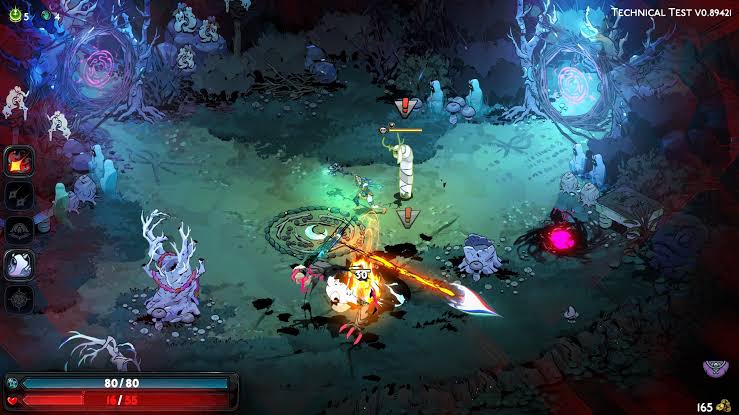
Hades II is the easiest overall recommendation because it gives every run a clear identity. Melinoë can combine different weapons, arcana, keepsakes, familiars, and divine boons, so the route through the Underworld changes both mechanically and narratively. Failure moves the story forward instead of feeling like a simple reset.
The combat rewards quick reactions, positioning, and build planning. Individual rooms are compact, but route choices, resource decisions, bosses, and unlocks create strong long-term progression. Supergiant describes it as a rogue-like dungeon crawler. Its full version is now available across PC, Nintendo Switch, PlayStation 5, and Xbox Series X|S, following the 2026 PlayStation and Xbox release.
The limitation is that Hades II does not provide the slow map-reading experience associated with classic first-person dungeon crawlers. Players who want hidden switches, environmental puzzles, and a party to manage should start with Legend of Grimrock 2 or Etrian Odyssey instead.
 Expert Tip
Players who enjoy choosing routes, collecting rewards, and refining a build during each run may also like these roguelike games like Slay the Spire.
2. Darkest Dungeon – Best for Party Building and Consequences
Best for: Turn-based combat, party composition, stress management, and high difficulty
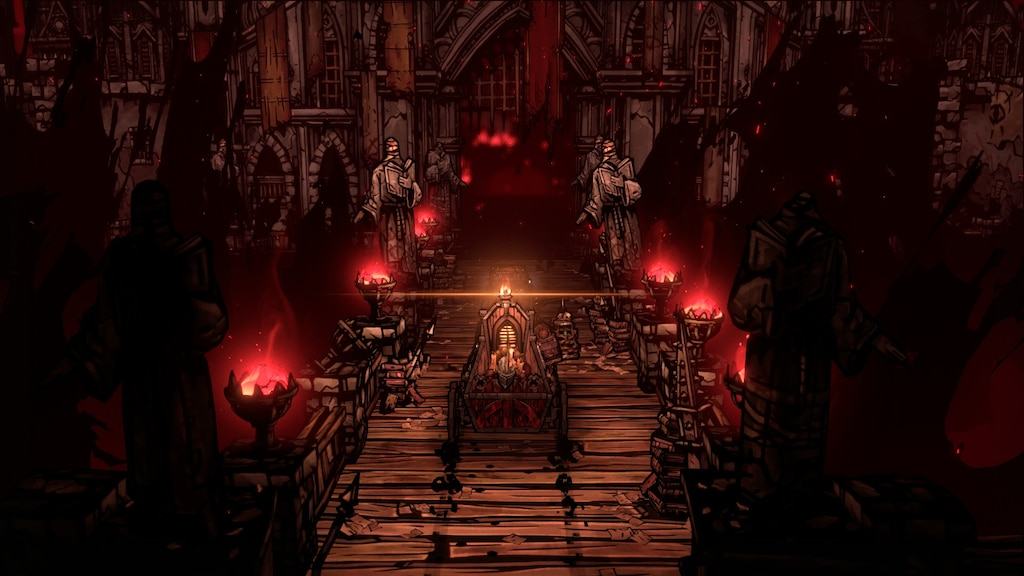
Darkest Dungeon turns preparation into part of the battle. You recruit heroes, choose four-person formations, buy supplies, decide how far to push an expedition, and manage the physical and psychological damage that survivors bring home. Position-dependent skills make party order important, while stress can change how a hero behaves when the situation collapses.
Dungeons mix branching routes, combat rooms, curios, traps, and limited supplies. Loot helps improve the Hamlet and prepare future recruits, but losing a developed hero can erase hours of investment. The game's official Steam description accurately calls it a challenging gothic roguelike turn-based RPG.
This is the better Darkest Dungeon entry for readers who specifically want dungeon exploration. Darkest Dungeon II has stronger run-based structure and a traveling carriage, but it moves away from the original game's repeated expeditions into a hostile estate. The main drawback of the first game is grind: rebuilding a roster after major losses can feel punishing rather than dramatic.
3. Legend of Grimrock 2 – Best First-Person Dungeon Crawler
Best for: Handcrafted exploration, puzzles, secrets, and real-time party combat
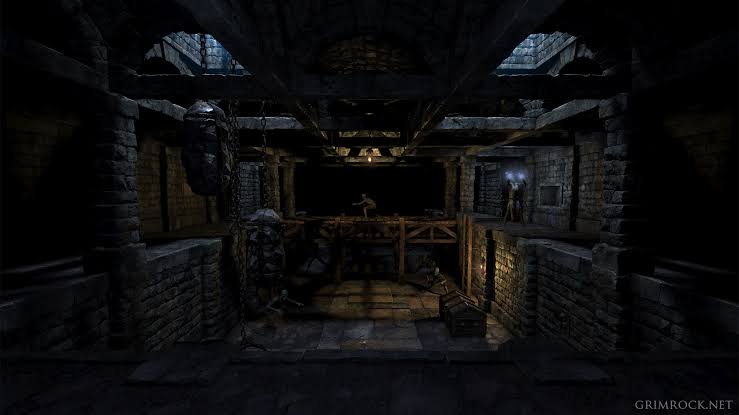
Legend of Grimrock 2 is the closest match for players who picture a classic dungeon crawler as a maze viewed through the eyes of a four-character party. Movement follows a grid, but battles happen in real time. You must control space, rotate party members, time attacks, and avoid being trapped against a wall.
The Isle of Nex also gives exploration real weight. Pressure plates, hidden switches, riddles, secret doors, traps, and interconnected locations reward careful observation. Its official feature list highlights thousands of grid squares and more than 20 hours of dungeon crawling, but the more important strength is how often navigation and puzzles affect progress.
Combat is less fluid than in modern action RPGs, and moving around enemies on a square grid can feel awkward at first. Choose it for deliberate exploration rather than cinematic fighting.
4. Etrian Odyssey Origins Collection – Best Turn-Based Mapping Game
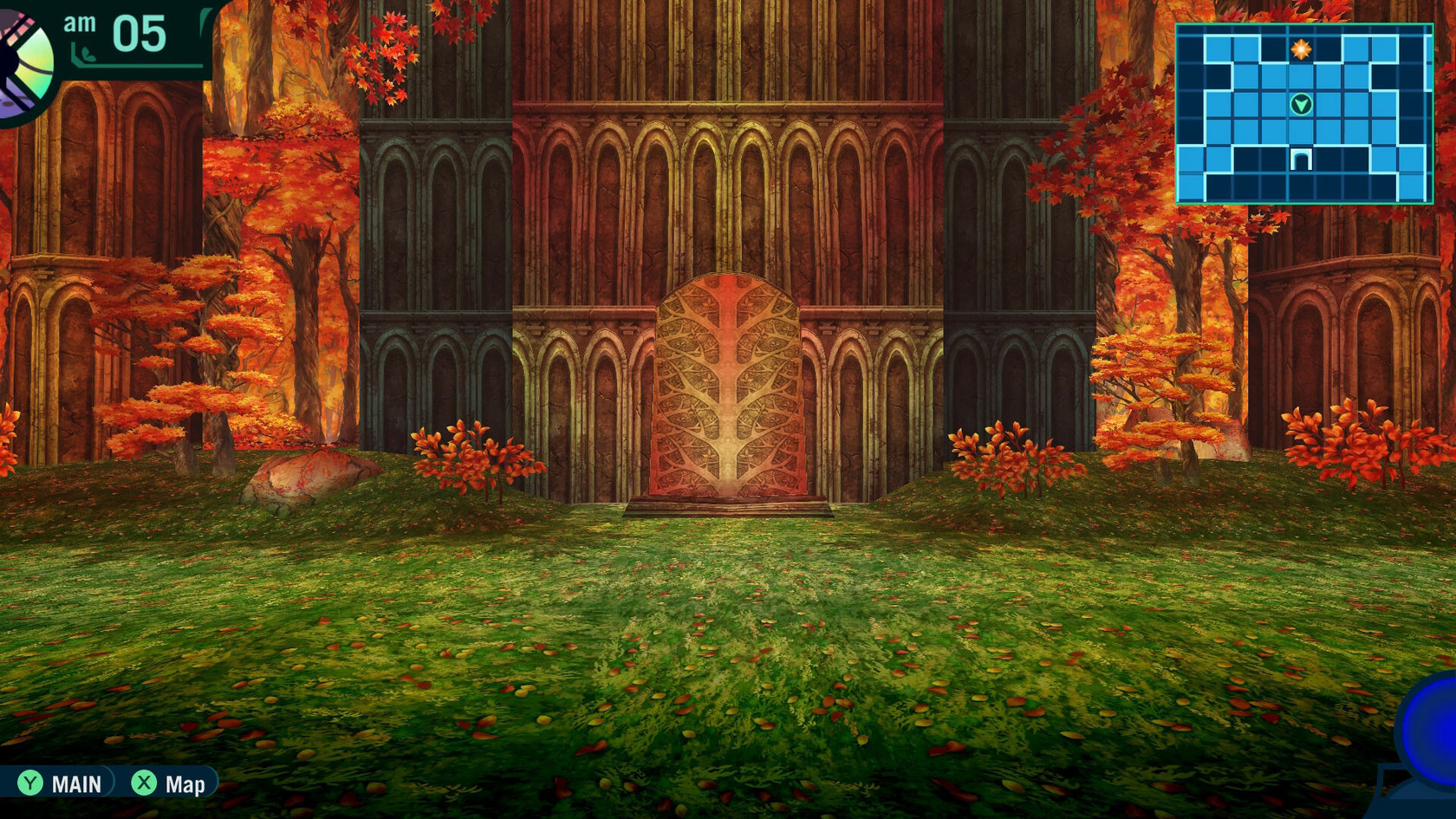
Best for: Custom parties, manual mapping, tactical battles, and long labyrinths
Etrian Odyssey Origins Collection contains HD versions of the first three Etrian Odyssey games. Each one asks you to create a guild, choose complementary classes, enter a first-person labyrinth, and draw or complete the map as you explore. The mapping system makes every shortcut, dead end, gathering point, and dangerous enemy part of your knowledge of the dungeon.
Combat is turn-based and party-focused. Success depends on class synergy, status effects, resource control, and knowing when to return to town. The official collection is available on PC and Nintendo Switch, making these older dungeon RPGs easier to access without their original dual-screen hardware.
The collection retains old-school difficulty and repetition. Random encounters and extended trips through similar corridors can test your patience. It is a strong choice when gradual mastery sounds satisfying, but not when you want a fast story or action combat.
5. Diablo IV – Best for Loot and Long-Term Character Builds
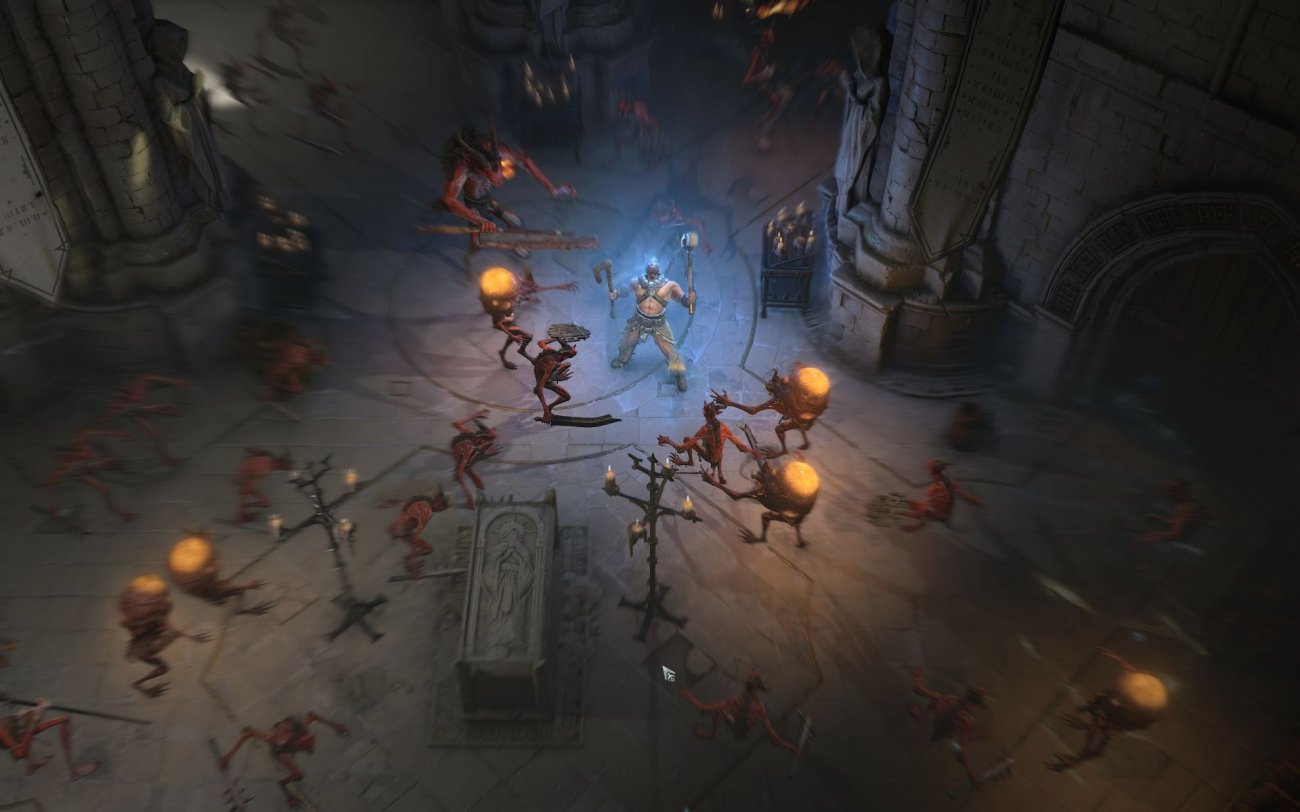
Best for: Real-time combat, build experimentation, online play, and continuous loot upgrades
Diablo IV is an action RPG first, but its dungeon loop earns it a place here. You enter instanced areas, clear objectives, fight dense groups of enemies, defeat bosses, and use the rewards to refine a class build. Skills, legendary effects, equipment, and endgame systems give loot a purpose beyond raising one number.
The game works well for players who want responsive combat and a character they can improve for a long time. Blizzard continues to center dungeons, endgame activities, and cross-platform progression in the current game. Solo play is viable, while parties make clearing content faster and more social.
Dungeon layouts and objectives can become repetitive, especially when efficiency replaces exploration. Choose Diablo IV for combat and builds, not for complex map puzzles or the fear of losing a carefully developed party.
6. Barony – Best First-Person Co-op Dungeon Crawler
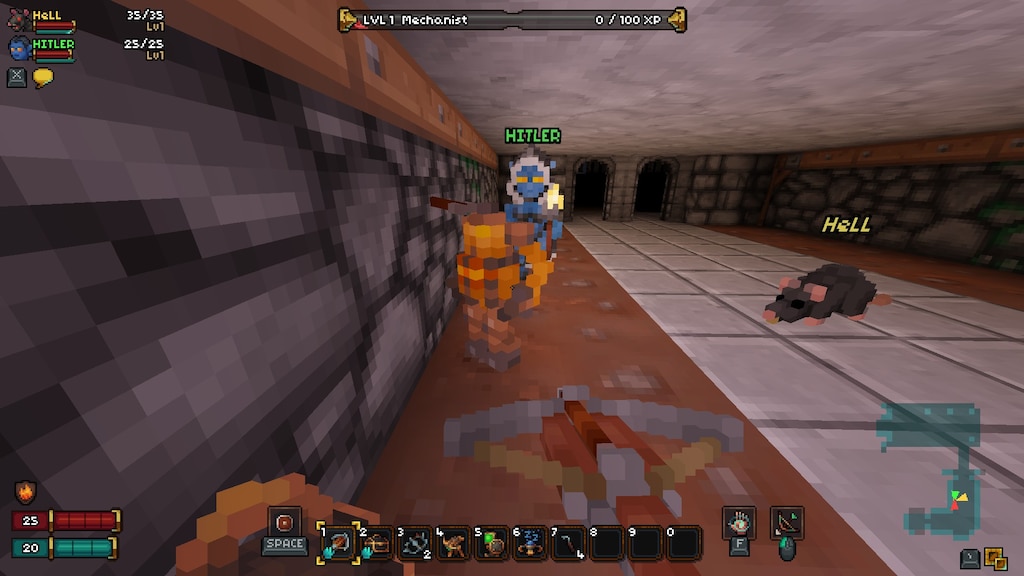
Best for: Online co-op, class roles, unpredictable runs, and emergent mistakes
Barony combines first-person exploration with demanding roguelike rules and real-time co-op. A group can build a recognizable fantasy party with fighters, spellcasters, healers, and stranger class choices, then try to survive traps, unidentified items, hunger, enemies, and one another's bad decisions.
Its procedural dungeons create stories that scripted missions cannot easily reproduce. One run may end because the party misjudges a monster; another may collapse after someone tests an unknown potion at the wrong moment. The developer's official feature overview lists 13 RPG classes and real-time cooperative dungeon crawling.
The blocky visuals are functional rather than polished, and the early difficulty can be harsh. Barony is also less satisfying when teammates want different levels of risk. It works best with a group that accepts failure as part of the entertainment.
7. Children of Morta – Best Story-Driven Co-op Dungeon Crawler
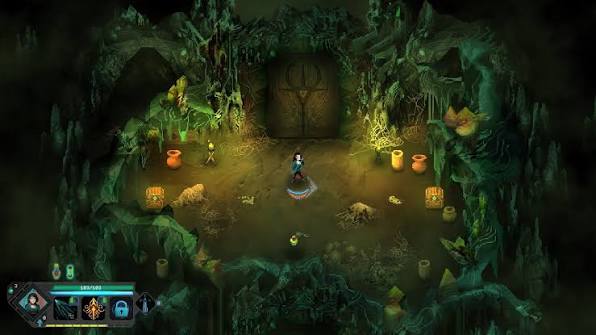
Best for: Two-player co-op, distinct heroes, pixel art, and a complete story
Children of Morta follows the Bergson family rather than a disposable group of adventurers. Each family member has a different combat style, from close-range brawling to ranged attacks, and progression benefits both the selected hero and the wider family. Returning home after a run advances relationships and story scenes, giving failure more emotional context.
Procedural rooms and random rewards keep expeditions varied without turning the campaign into an endless grind. Two players can combine complementary abilities in local or online co-op; the current PC version supports online co-op in both Story and Family Trials modes.
Its combat and character builds are easier to understand than Barony's systems, but the dungeon layouts are also less complex. Choose it when story and teamwork matter more than mapping or severe punishment.
8. Shiren the Wanderer: The Mystery Dungeon of Serpentcoil Island – Best Traditional Roguelike
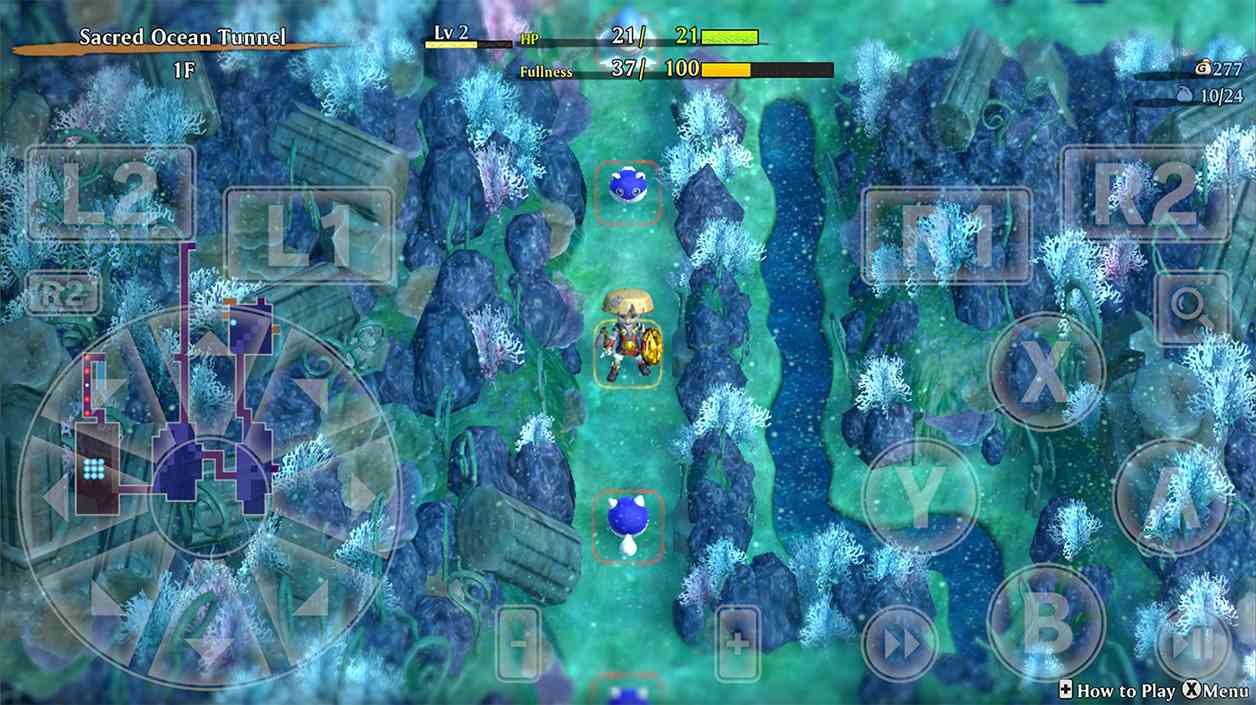
Best for: Turn-based decisions, item knowledge, procedural floors, and serious risk
Shiren the Wanderer is a strong bridge between classic roguelike design and a readable modern interface. Every movement advances the dungeon by one turn, so enemies, hunger, positioning, unidentified items, and escape routes can be considered before you act. That makes a simple corridor encounter feel more tactical than many larger battles.
Serpentcoil Island includes the main journey plus additional dungeons with different rules and difficulty. It also offers online rescues, hotbar shortcuts, and step tracking, as detailed on the official game page. These conveniences improve clarity without removing the consequences that define the series.
The game can still erase valuable progress after one poor decision. Players who dislike restarting or learning through failure may find it unforgiving. For those who enjoy planning around limited information, it offers some of the deepest replay value on this list.
9. Crypt of the NecroDancer – Best Experimental Dungeon Crawler
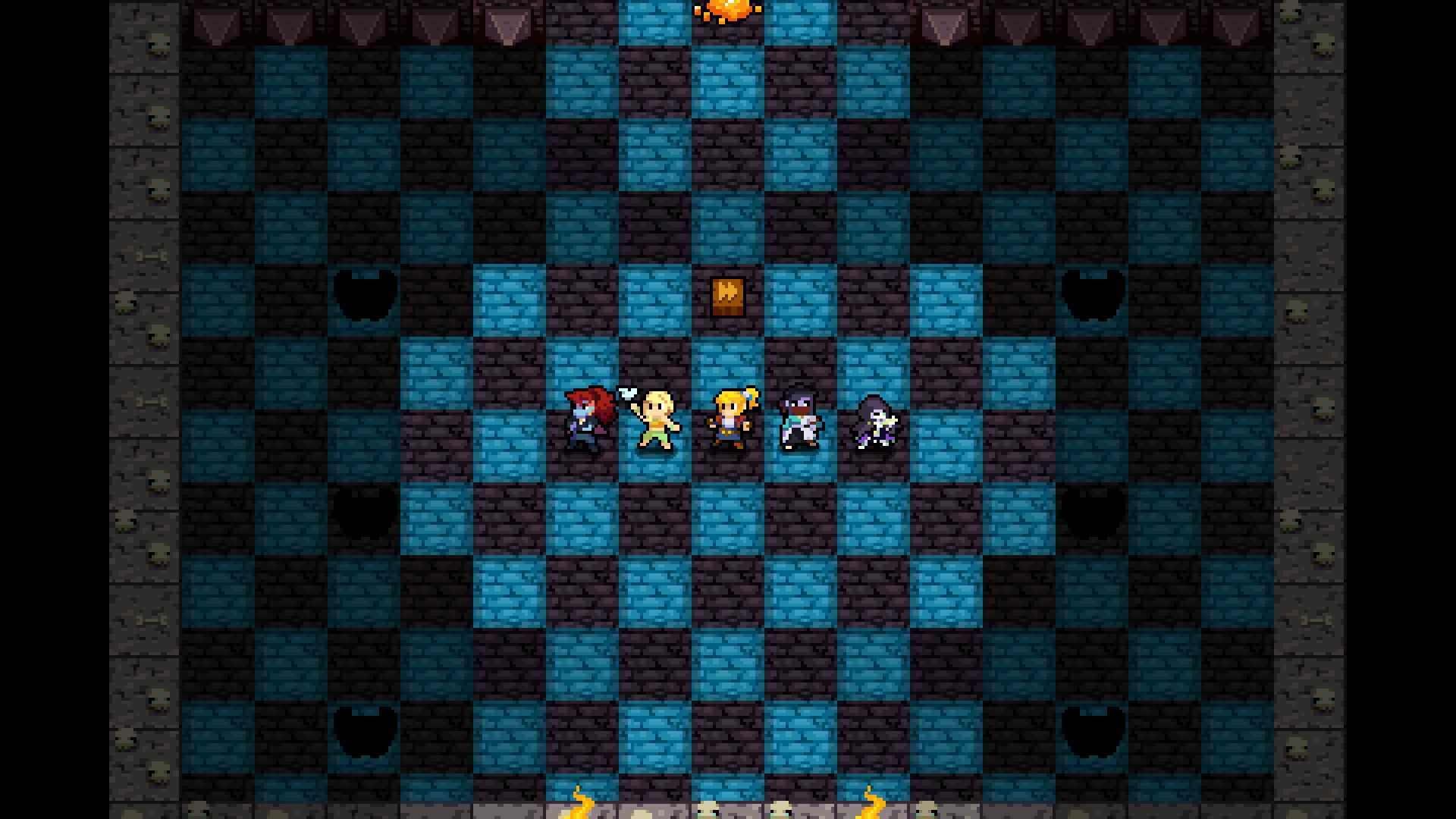
Best for: Rhythm, short runs, pattern learning, and a distinctive challenge
Crypt of the NecroDancer takes grid-based roguelike movement and ties it to music. Enemies follow readable patterns, but you must move and attack on the beat. Maintaining the rhythm increases pressure while turning combat into a mix of planning and performance.
The concept is unusual, but it is not a shallow gimmick. Different characters change the rules, procedural floors create replay value, and equipment choices can rescue or ruin a run. The developer's official feature list confirms support for keyboard, controller, and even a USB dance pad.
Players who struggle to keep a beat may find the central mechanic restrictive. An optional character removes the rhythm requirement, but that also removes part of what makes the game special.
10. Minecraft Dungeons – Best for Beginners and Families
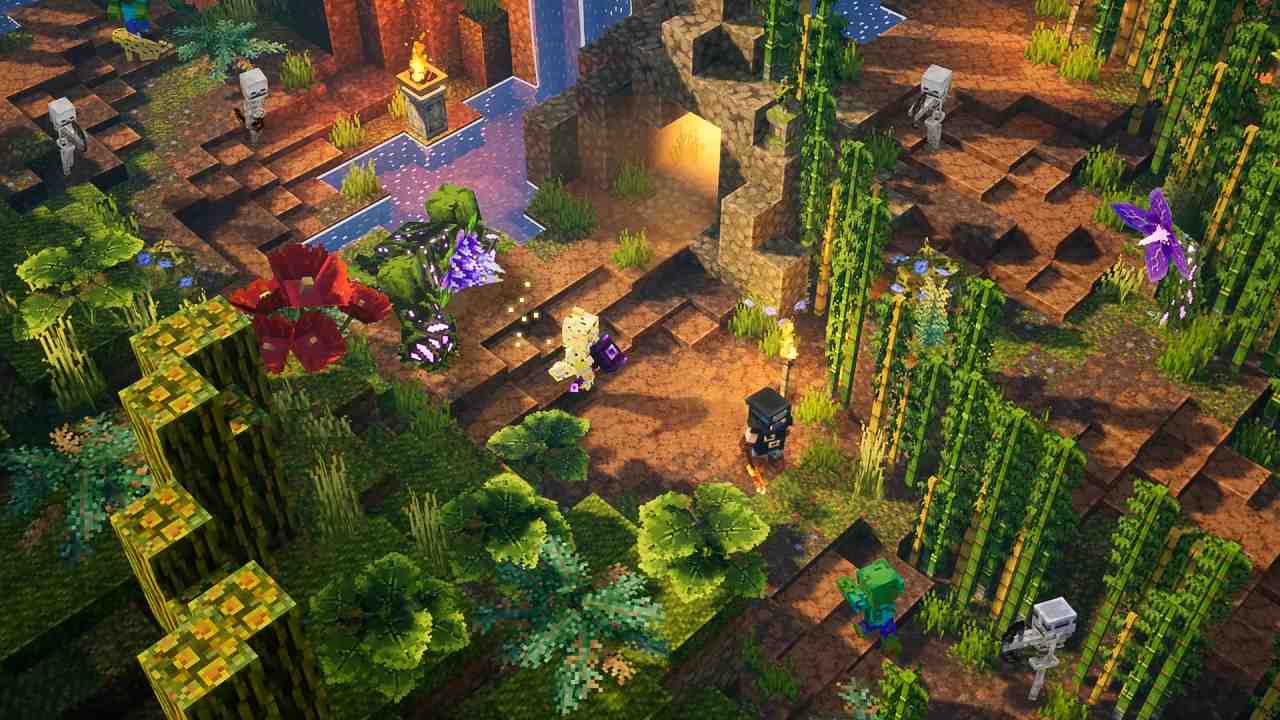
Best for: Accessible combat, four-player co-op, familiar visuals, and simple loot
Minecraft Dungeons removes mining and building to focus on combat, missions, equipment, enchantments, and treasure. Its controls are straightforward, character builds do not depend on permanent classes, and the visual language is easy to read. This makes it a practical first dungeon crawler for younger players or mixed-skill groups.
Up to four people can play together, and players can adjust the mission difficulty as their gear improves. The official game page also shows how the DLC expands the adventure with new environments, missions, enemies, and loot.
The tradeoff is depth. Experienced action RPG players may outgrow its enemy behavior and build options. It is best when approachability and shared play matter more than complex systems.
11. Moonlighter – Best Dungeon Crawling and Management Hybrid
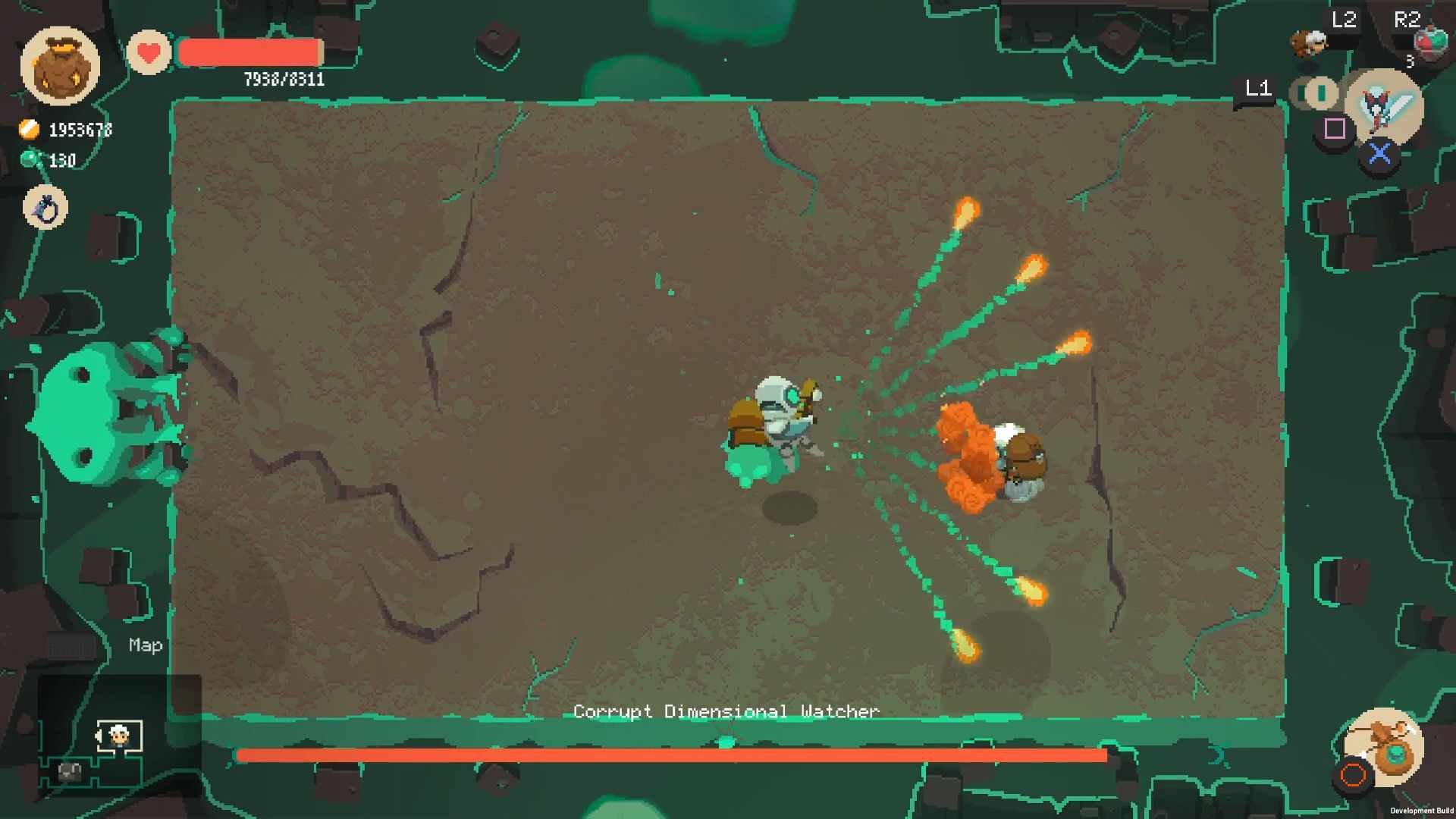
Best for: Loot collection, shopkeeping, town upgrades, and a relaxed progression loop
Moonlighter gives every piece of dungeon loot two possible meanings: equipment for the next expedition or stock for your shop. At night, you fight through procedurally arranged rooms and decide how much risk to accept before returning home. During the day, you set prices, watch customer reactions, sell valuable finds, and invest the profit in equipment and town services.
This structure makes resource decisions more interesting than simply equipping the item with the larger number. It also provides a calmer break between combat runs. Moonlighter is not a dungeon management game—you manage a shop, not the dungeon—but it is a useful example of how management systems can support dungeon crawling.
The combat is simpler than Hades II, and shopkeeping becomes predictable once you understand the pricing clues. Choose it for the satisfying explore-sell-upgrade loop rather than tactical depth.
Which Dungeon Crawler Should You Play First?
Start with the game that matches the decision you want to make most often:
- Choose Hades II if you want polished action and runs that continue a strong story.
- Choose Legend of Grimrock 2 if exploring a handcrafted first-person maze is the main attraction.
- Choose Darkest Dungeon if party composition and costly mistakes sound more interesting than direct action.
- Choose Etrian Odyssey Origins Collection if you want long turn-based expeditions and detailed mapping.
- Choose Diablo IV if loot, class builds, and online progression matter most.
- Choose Barony for a difficult co-op roguelike, or Minecraft Dungeons for a more accessible group game.
- Choose Shiren the Wanderer if you want traditional roguelike rules and meaningful consequences.
Difficulty should not be the only factor. A hard game with repetitive rooms may be less satisfying than an easier game with strong exploration. Look for the loop you want to repeat: mapping, fighting, collecting loot, improving a party, or recovering from failure.
Turn Your Own Dungeon Idea Into a Playable Game
These games also show why “make a dungeon crawler” is too broad as a design brief. A workable idea needs a camera view, combat system, dungeon structure, progression loop, failure rule, and clear reason to enter the next room.
If you want to prototype your own version, start with one floor, one hero, two enemy types, one treasure chest, and one exit. You can use AI game maker SoonLab to create a small playable dungeon crawler from a prompt, then test the central loop before adding more classes, loot tiers, procedural rooms, or bosses. For a larger project, compare the workflows in this guide to the best RPG game makers.
Turn your idea into aplayable game
Describe the game you want to make, and SoonLab will help you start building it.
A useful starter prompt is:
Create a top-down dungeon crawler where the player explores a five-room crypt, fights skeletons with a sword and dodge roll, collects keys and randomized loot, restores health at one shrine, and defeats a necromancer boss to escape. Add a minimap, health bar, inventory, treasure chests, and a game-over screen. Use dark pixel art with clear enemy attack warnings.
Keep the first version small enough to finish. If you want to develop it beyond a prototype, this beginner guide to making an indie game explains how to control scope and choose a suitable development method.
FAQs About Dungeon Crawler Games
What is the best dungeon crawler game to play in 2026?
Hades II is the best overall choice for players who want fast action, changing builds, story progression, and high replay value. Legend of Grimrock 2 is better for traditional first-person exploration, while Darkest Dungeon is stronger for turn-based party management.
What are the best co-op dungeon crawler games?
Barony is the best choice for difficult first-person co-op. Children of Morta works well for two players who want a complete story, while Minecraft Dungeons is the most approachable option for families and groups with different experience levels.
Are all dungeon crawlers roguelikes?
No. Dungeon crawlers focus on exploring dangerous enclosed areas, fighting enemies, managing resources, and finding loot. Roguelikes add run-based rules such as procedural generation, major loss after death, and, in traditional examples, turn-based grid movement. A game can be both, but neither label automatically requires the other.
What is the best turn-based dungeon crawler?
Choose Darkest Dungeon for party formations and stress management, Etrian Odyssey Origins Collection for mapping and class synergy, or Shiren the Wanderer for traditional roguelike decisions where every movement advances the turn.
What is the best dungeon crawler on Steam?
Hades II is the strongest general recommendation on Steam. Legend of Grimrock 2, Darkest Dungeon, Etrian Odyssey Origins Collection, Barony, Children of Morta, Shiren the Wanderer, Crypt of the NecroDancer, Minecraft Dungeons, and Moonlighter are also available on PC, so the better choice depends on the style you prefer.
Final Thoughts
The best dungeon crawler games make the next room feel like a decision rather than empty space. Hades II does this through combat builds and story, Legend of Grimrock 2 through maps and secrets, and Darkest Dungeon through party risk and lasting consequences.
Start with Hades II if you are unsure. Choose a more specialized game when one part of the genre matters most: Barony for co-op, Etrian Odyssey for mapping, Diablo IV for loot, Shiren for traditional roguelike depth, or Minecraft Dungeons for an easier first step. The right dungeon is the one whose exploration, combat, and progression loop still gives you a reason to open one more door.