
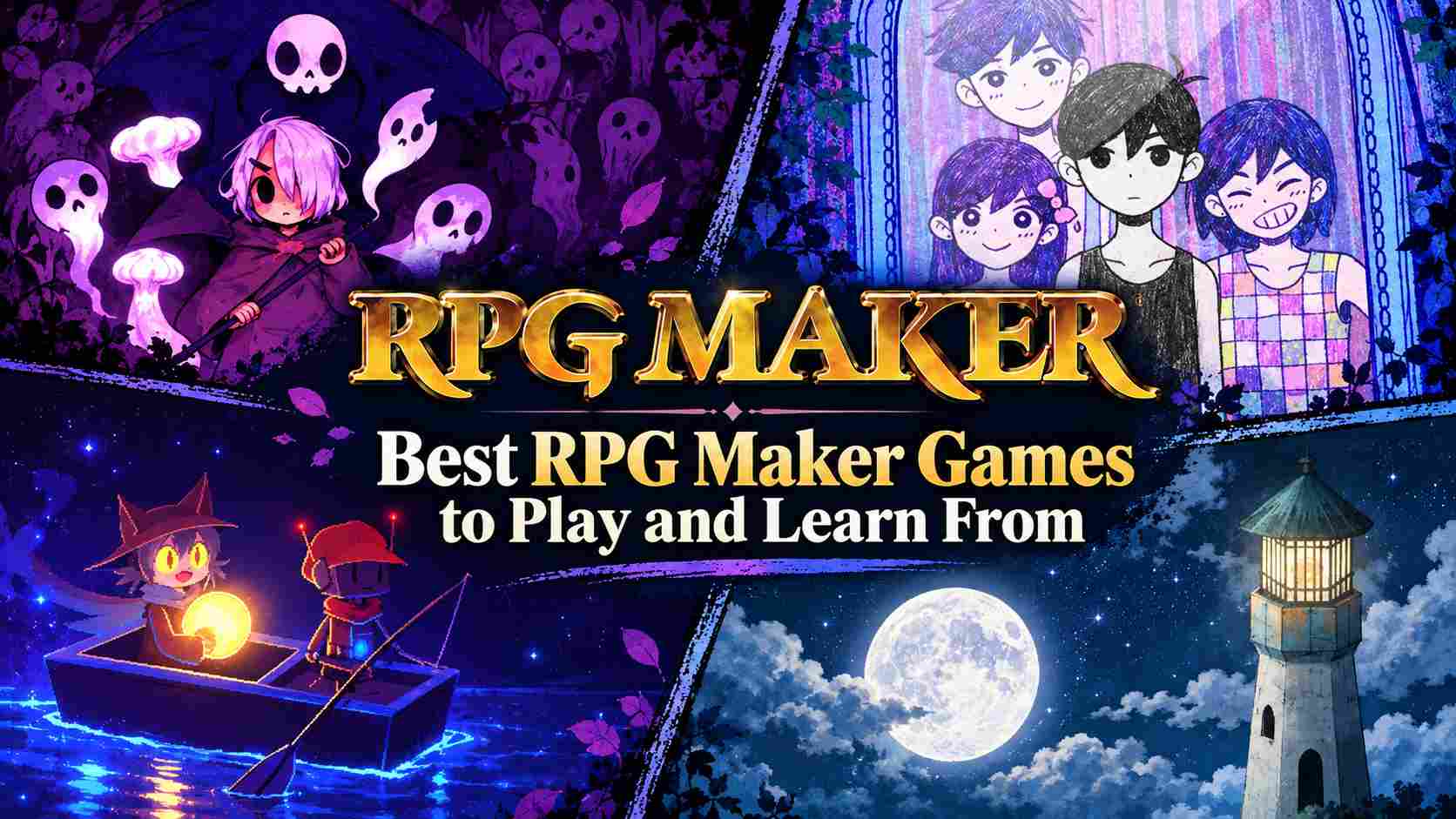
Finished OMORI or Ib and wondering what to play next? Or curious what people have made with RPG Maker? The best RPG Maker games range from personal stories and eerie puzzles to full turn-based adventures.
Here are 15 games worth exploring. Each recommendation explains what makes it different and who will enjoy it. If you are making a game of your own, you will also find a few design ideas worth learning from, without needing to copy the games themselves.
Best RPG Maker Games at a Glance
| Game | Best for | Style | What to expect |
|---|---|---|---|
| OMORI | Best overall | Psychological RPG | Turn-based combat, friendships, and a dark mystery |
| To the Moon | Emotional storytelling | Narrative adventure | A short, focused story with light puzzles |
| OneShot | Creative storytelling | Puzzle adventure | Fourth-wall puzzles and a close bond with its hero |
| LISA: The Painful | Difficult choices | Dark comedy RPG | Harsh decisions, strange humor, and turn-based battles |
| Finding Paradise | Character-driven drama | Narrative adventure | Memory, regret, and a tightly written story |
| Ib | First horror game | Horror puzzle | An eerie art gallery with environmental puzzles |
| The Witch's House | Deadly puzzles | Horror puzzle | Changing rooms, traps, and quick decisions |
| Corpse Party | Classic horror | Survival horror | Graphic danger, exploration, and many bad endings |
| Fear & Hunger | Hardcore players | Dark dungeon RPG | Severe difficulty, scarce resources, and disturbing themes |
| Grimm's Hollow | Short free RPG | Spooky turn-based RPG | A small afterlife adventure with battles and heart |
| Yume Nikki | Surreal exploration | Experimental adventure | Dream worlds with little guidance or traditional plot |
| OFF | Strange worlds | Surreal RPG | Symbolic storytelling and unsettling turn-based combat |
| END ROLL | Dark free games | Psychological RPG | Guilt, dreams, and uncomfortable choices |
| In Stars and Time | Time-loop stories | Turn-based RPG | Repeated journeys that reveal new character details |
| Scarmonde | Classic combat | Traditional JRPG | Jobs, party builds, equipment, and focused battles |
What Counts as an RPG Maker Game?
An RPG Maker game is any game created with a version of the RPG Maker engine. Despite the name, it does not have to follow the usual role-playing formula. The engine has been used to create turn-based adventures, puzzle games, visual stories, psychological horror, and experimental games with little or no combat.
This flexibility is part of what makes RPG Maker games so interesting. One game may let you build a party and fight monsters, while another asks you to explore an eerie gallery or uncover a story through dreams. They share the same creative tool, but the worlds, mechanics, and experiences can feel completely different.
15 Best RPG Maker Games Worth Playing
1. OMORI: Best RPG Maker Game Overall
OMORI is the easiest overall recommendation because it brings together a memorable party, an unusual world, turn-based battles, and a story with emotional weight.
What makes it stand out among games made with RPG Maker is the way it reshapes familiar RPG systems. Happy, sad, and angry states change how characters fight, so emotions are part of your strategy, not just the dialogue. Its colorful maps and custom art also give the dream world an identity far beyond a stock fantasy setting.
Choose it if: you want a full RPG with story, combat, secrets, and multiple outcomes. Its themes include grief, depression, and self-harm, so it will not suit every player.
 Also Read
2. To the Moon: Best for a Short Emotional Story
To the Moon follows two doctors who enter a dying man's memories to fulfill his final wish. The game uses exploration and small puzzles, but its real strength is the gradual reconstruction of one life.
Instead of leaning on RPG Maker's usual battles and equipment, it uses walkable scenes and interactions to move between memories. That simple structure leaves space for conversations and small details to carry the story. It is a useful first pick if you want to see what the engine can do without a traditional combat system.
Choose it if: you want a focused story that can be finished more quickly than a traditional RPG. Skip it if you mainly want combat or character builds.
3. OneShot: Best for Creative Player Interaction
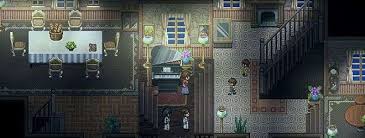
OneShot gives you responsibility for Niko, a child carrying a lightbulb that may restore a dying world. The game regularly reaches beyond its own window and asks you to solve problems in unusual ways.
OneShot shows how far an RPG Maker game can move beyond its familiar map-and-menu format. The puzzles sometimes ask you to look outside the game window, turning your role as the player into part of the story. That is why your bond with Niko feels different from simply guiding a character through a series of rooms.
Choose it if: you enjoy clever puzzles and gentle character writing. Players who prefer constant action may find its pace slow.
4. LISA: The Painful: Best for Brutal Choices and Dark Humor
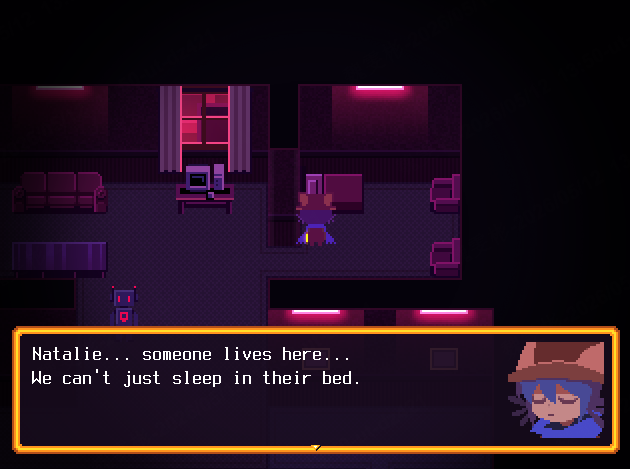
LISA: The Painful takes place in a ruined world filled with desperate people, strange jokes, and painful decisions. It looks absurd at first, but the humor never removes the consequences of what the player does.
Where many RPG Maker games use a party as a source of strength, LISA makes that party fragile. Decisions can cost resources, companions, or future options, and its battles reinforce the feeling that survival has a price. It is a striking example of using familiar RPG elements to make the player uncomfortable instead of powerful.
Choose it if: you want an RPG that makes choices hurt. Its violence and subject matter are much heavier than its visual style suggests.
5. Finding Paradise: Best for Character-Driven Drama
Finding Paradise returns to the memory-traveling doctors from To the Moon. This time, the story centers on a life shaped by conflicting memories, private regrets, and a wish that is difficult to define.
Like To the Moon, it uses RPG Maker's spaces and interactions to guide you through a story rather than a long quest or battle system. Small changes in familiar places reveal how memories and relationships shift over time. It is more interested in how a person remembers a life than in giving you a large world to explore.
Choose it if: you liked the structure of To the Moon and want another personal story. Play the earlier game first for the strongest context.
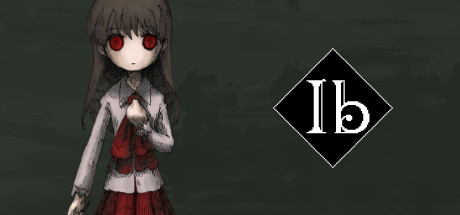
6. Ib: Best Introduction to RPG Maker Horror Games
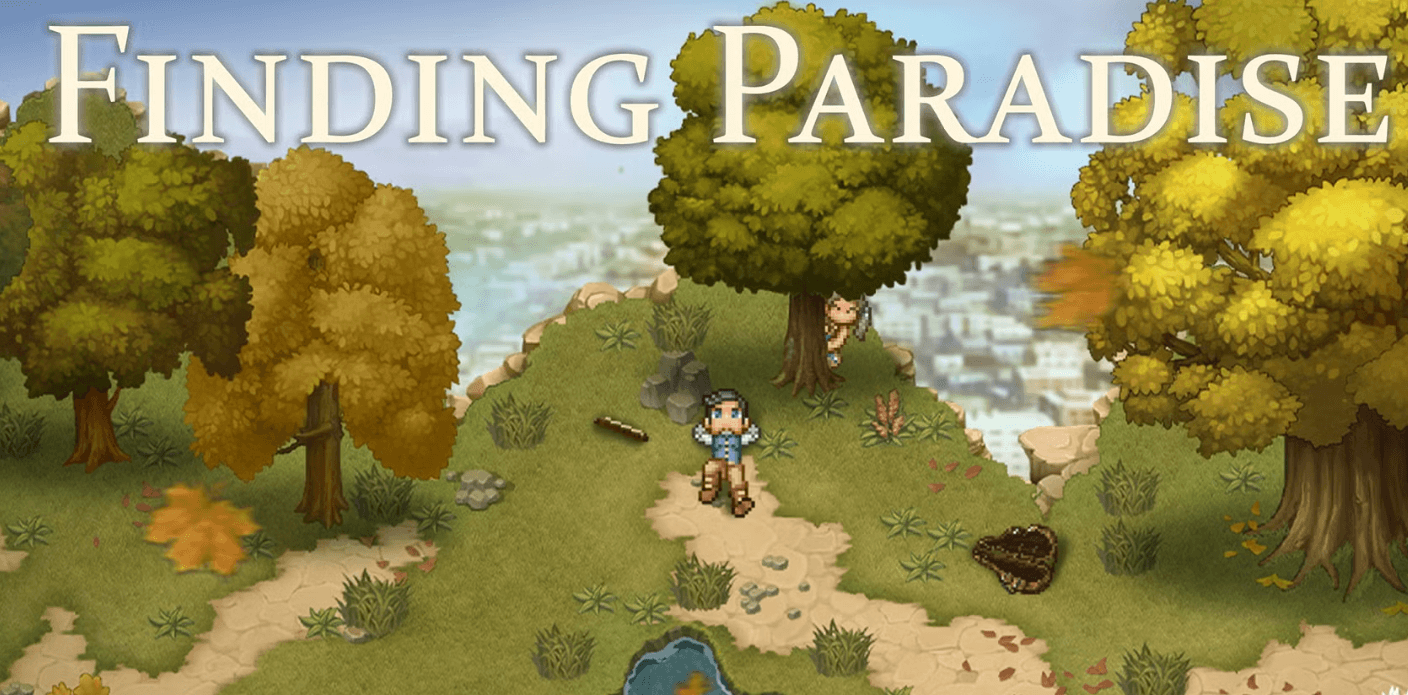
Ib begins in an art gallery before its paintings, sculptures, and empty corridors become increasingly hostile. Much of the fear comes from waiting for familiar objects to move or change.
Ib is a clear example of how an RPG Maker horror game can turn a small set of maps into a threatening place. Paintings, corridors, and simple interactions become clues or dangers, while the small cast makes its different endings matter. It builds fear through the environment rather than combat or constant violence.
Choose it if: you want atmosphere, puzzles, and multiple endings. Its short length and simple controls also make it easy to approach.
7. The Witch's House: Best for Deadly Puzzles
In The Witch's House, Viola enters a mansion where even an ordinary-looking room can hide a trap. Each area asks you to observe, try an idea, and sometimes escape before you can work out what went wrong.
Built in RPG Maker VX, the original game turns room changes and object interactions into a fast, dangerous puzzle loop. Unlike Ib's slower gallery mystery, this house often punishes a careless move immediately. It shows how much tension a creator can build around a few connected rooms.
Choose it if: you want horror with frequent puzzles and sudden deaths. The trial-and-error design may frustrate you if you prefer gentler exploration.
8. Corpse Party: Best Classic Survival Horror
Corpse Party grew from an early RPG Maker horror game into a larger series. Its trapped students, ruined school, branching paths, and many bad endings helped establish a structure that later horror games continued to use.
The original game's simple top-down rooms helped make the school feel like a maze, while sound and branching events carried much of the horror. It is worth distinguishing that early RPG Maker work from later versions of Corpse Party, which expanded the presentation and series.
Choose it if: you want an important piece of RPG Maker horror history. Avoid it if gore and cruelty are likely to overwhelm the story for you.
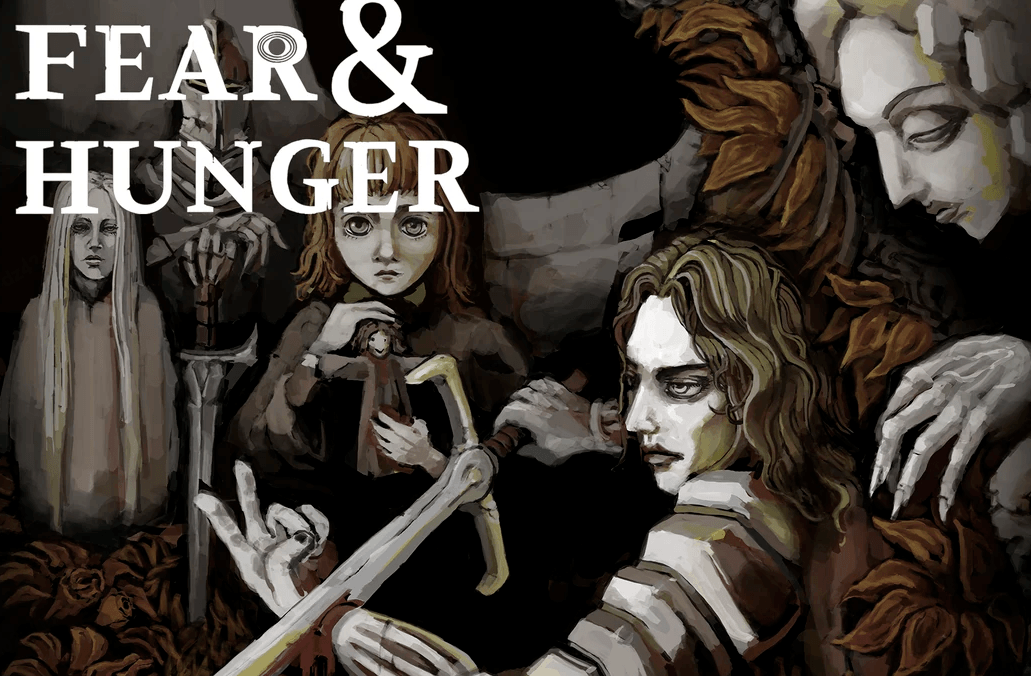
9. Fear & Hunger: Best for Hardcore Horror Players
Fear & Hunger sends four possible characters into a dungeon where hunger, injury, infection, sanity, and limited saves can be as dangerous as the monsters. Battles allow players to target individual body parts, but every fight can create lasting damage.
Fear & Hunger takes systems you might expect in an RPG Maker dungeon crawler—exploration, items, battles, and party choices—and makes each one risky. The body-part targeting and lasting injuries mean that winning a fight may still leave you worse off. It is one of the strongest examples here of game rules creating the horror, not just the setting.
Choose it if: you enjoy learning through repeated failure and can handle extreme content. New RPG players should begin elsewhere.
10. Grimm's Hollow: Best Short Free RPG
Grimm's Hollow follows Lavender through an afterlife filled with odd reapers as she searches for her brother. It mixes a spooky setting with warmth, keeping the story and journey compact.
Unlike the horror adventures that set RPG Maker's battle tools aside, this game uses turn-based encounters as part of a small, complete adventure. Its tight scope is a useful reminder of what a short RPG Maker game can do when the characters, combat, and goal all point in the same direction.
Choose it if: you want a free RPG with battles and multiple endings, but not a long campaign. Its light tone will not satisfy players looking for harsh horror.
11. Yume Nikki: Best for Surreal Exploration
Yume Nikki sends Madotsuki through a network of dream worlds with almost no explanation. There is little dialogue and no conventional quest log. The main goal is to explore, collect effects, and decide what the images mean to you.
Yume Nikki strips away the quests and battles many people associate with RPG Maker. What remains is a network of maps, strange encounters, and effects to discover. The lack of instructions is the point: wandering and interpreting what you see become the entire experience, though some players will miss a clearer goal.
Choose it if: you want an experimental game rather than a traditional RPG.
12. OFF: Best for an Unsettling, Symbolic World
OFF follows the Batter on a mission to purify a strange collection of zones. Its baseball imagery, flat colors, unusual dialogue, and detached narrator make the world feel wrong long before the story reveals why.
OFF keeps recognizable RPG Maker elements—zones to explore, battles to fight, characters to meet—but gives them an unsettling purpose. The familiar structure makes it easy to start, while the symbolism and the Batter's mission make you question what your role actually is.
Choose it if: you like cryptic stories and unusual art direction. Expect ambiguity rather than a neatly explained ending.
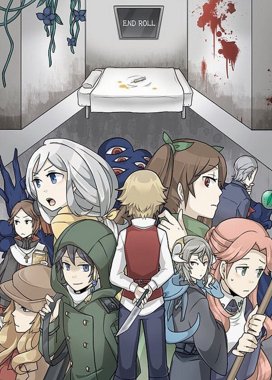
13. END ROLL: Best Free Dark RPG
END ROLL places a young boy inside a dream-based rehabilitation program. The bright settings and familiar RPG structure gradually give way to guilt, trauma, and increasingly uncomfortable discoveries.
Made in RPG Maker 2000, it uses a familiar town-and-dungeon rhythm to make its darker turns more disturbing. Optional encounters add to the story of guilt rather than feeling like unrelated side quests. The battles and transitions can feel uneven, but the central idea gives the rough edges a purpose.
Choose it if: you want a free psychological RPG and can accept rougher mechanics. Check its content warnings before playing.
14. In Stars and Time: Best Time-Loop RPG
In Stars and Time follows a party trying to defeat a ruler and save their country. When the journey fails, the main character returns to an earlier point and tries again with knowledge from the previous loop.
Here, an RPG Maker-style party journey becomes a time loop. You revisit rooms, battles, and conversations with new knowledge, while your companions remember none of it. Repetition is not just a way to extend the game; it slowly changes how you understand the party and the person caught in the loop.
Choose it if: you want strong party relationships and a time-loop mystery. Some repeated actions are intentional and may still test your patience.
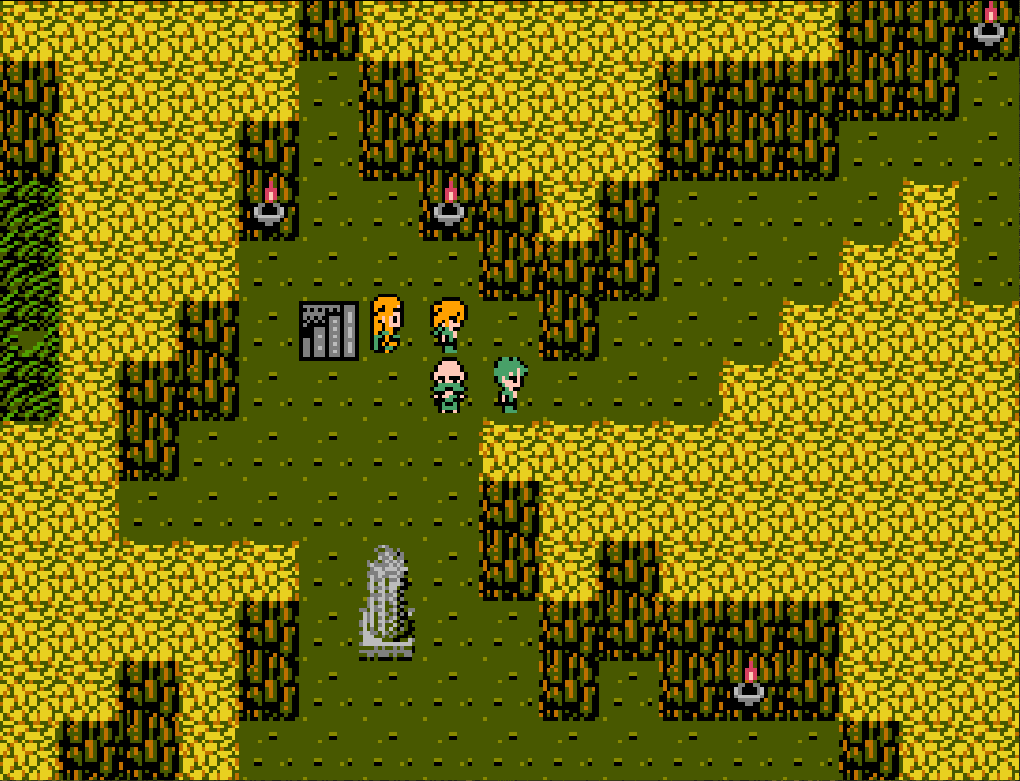
15. Scarmonde: Best for Classic Turn-Based Combat
Scarmonde is the most traditional RPG on this list. It focuses on a party journey, turn-based battles, equipment, classes, and building a group that can handle tougher encounters.
Scarmonde takes the other route from the story-heavy and experimental games above: it leans into RPG Maker's party, class, equipment, and battle systems. The appeal is in choosing a build and seeing how your decisions hold up in the next dungeon. It shows why a traditional JRPG can still feel rewarding without abandoning the engine's strengths.
Choose it if: you want character builds and combat strategy. Players looking mainly for horror or narrative experimentation should choose another title first.
Which RPG Maker Game Should You Play First?
- Start with OMORI if you want the fullest mix of story, combat, exploration, and character growth.
- Start with To the Moon if you want a shorter game focused almost entirely on story.
- Start with Ib if you want horror without the extreme difficulty of Fear & Hunger.
- Start with Yume Nikki if you prefer open interpretation and surreal exploration.
- Start with Scarmonde if you want a more traditional turn-based RPG.
What Game Creators Can Learn from These RPG Maker Games?
These games are useful references because their strongest ideas are easy to recognize. OMORI makes emotions matter in battle. Ib creates tension by making ordinary gallery objects feel unsafe. OneShot builds a connection between the player and its main character through the way its puzzles work.
You do not need a huge world to try a strong idea of your own. Pick one feeling you want the player to have, then choose a mechanic that creates it. For a short horror game, that could be a room that changes after each visit. For a story game, it could be one dialogue choice that changes how a character responds later.
How to Make an RPG Game Inspired by These Ideas
Start with one character, one location, and one goal. Then add a rule that gives your game its identity: a battle effect linked to emotion, a clue that changes a room, or a choice that alters the ending. Make that small idea work before adding more maps and characters.
If you need a detailed development path, follow this beginner roadmap for making an RPG game. You can also compare traditional engines and simpler creation tools in our guide to the best RPG game makers.
If you want to test an idea before learning a full engine, SoonLab's RPG game maker can turn a written description into a browser game. Start with a small 2D quest, then adjust the dialogue, combat, rewards, or ending through follow-up instructions.
Turn your idea into aRPG game
Describe the game you want to make, and SoonLab will help you start building it.
FAQs About RPG Maker Games
What are the most popular games made with RPG Maker?
OMORI, To the Moon, OneShot, LISA: The Painful, Yume Nikki, Ib, and Fear & Hunger are among the best-known RPG Maker games. They cover psychological horror, narrative adventures, turn-based RPGs, and experimental exploration.
What are the best RPG Maker horror games?
Start with Ib for puzzles and atmosphere, The Witch's House for deadly traps and faster scares, or Fear & Hunger for a much harder survival RPG. Corpse Party is another important choice if you want classic, graphic horror.
Is OMORI an RPG Maker game?
Yes. OMORI was built with RPG Maker MV. It expands the engine with custom artwork, plugins, an emotion-based battle system, and a large story-driven world.
Was Undertale made with RPG Maker?
No. Undertale was made with GameMaker. It is often discussed beside RPG Maker games because of its pixel art, turn-based encounters, humor, and influence on story-driven indie RPGs.
Are RPG Maker games always role-playing games?
No. RPG Maker provides maps, events, dialogue, variables, and battle tools, but creators can use them for horror, puzzle, narrative, and experimental games. To the Moon, Ib, and Yume Nikki all move beyond a standard RPG structure.
Are there free RPG Maker games?
Yes. Games such as Yume Nikki, Grimm's Hollow, and END ROLL have been released for free through official or creator-authorized pages. Check the current page before downloading, as availability and supported platforms can change.
Conclusion
The best RPG Maker games offer very different experiences. Choose OMORI for story and combat, To the Moon for a focused narrative, Ib for approachable horror, or Fear & Hunger for a demanding dungeon RPG.
As you play, notice the one idea that makes each game stay with you. It might be a battle rule, a relationship, or a room that changes when you return. If one of those ideas sparks a game of your own, start small and make your own RPG with SoonLab.